Field Notes Journal Entry
The Western Corridor and the Grumeti River
A day in the Western Corridor brings the realities of the Migration into sharp focus, from the harsh consequences at the Grumeti River to the quieter rhythms of herds gathering to drink on the plains.
The Grumeti Crossing
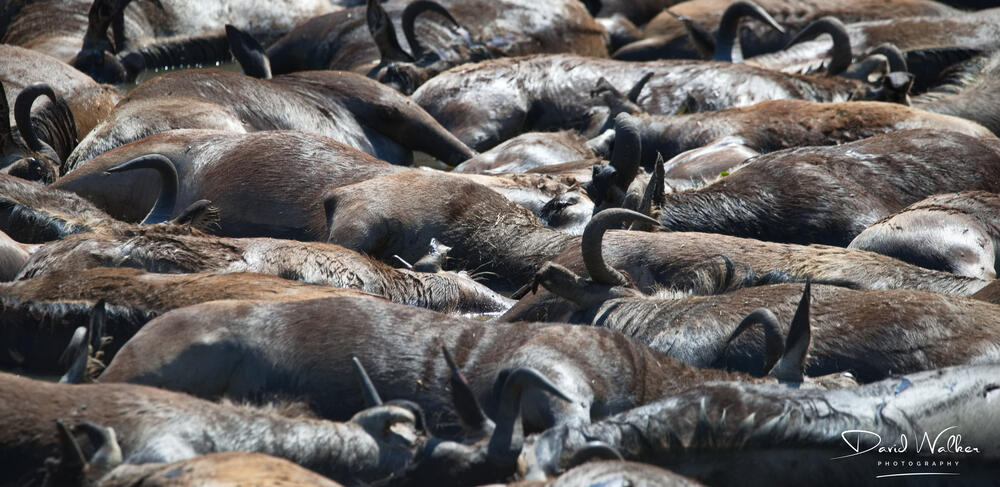
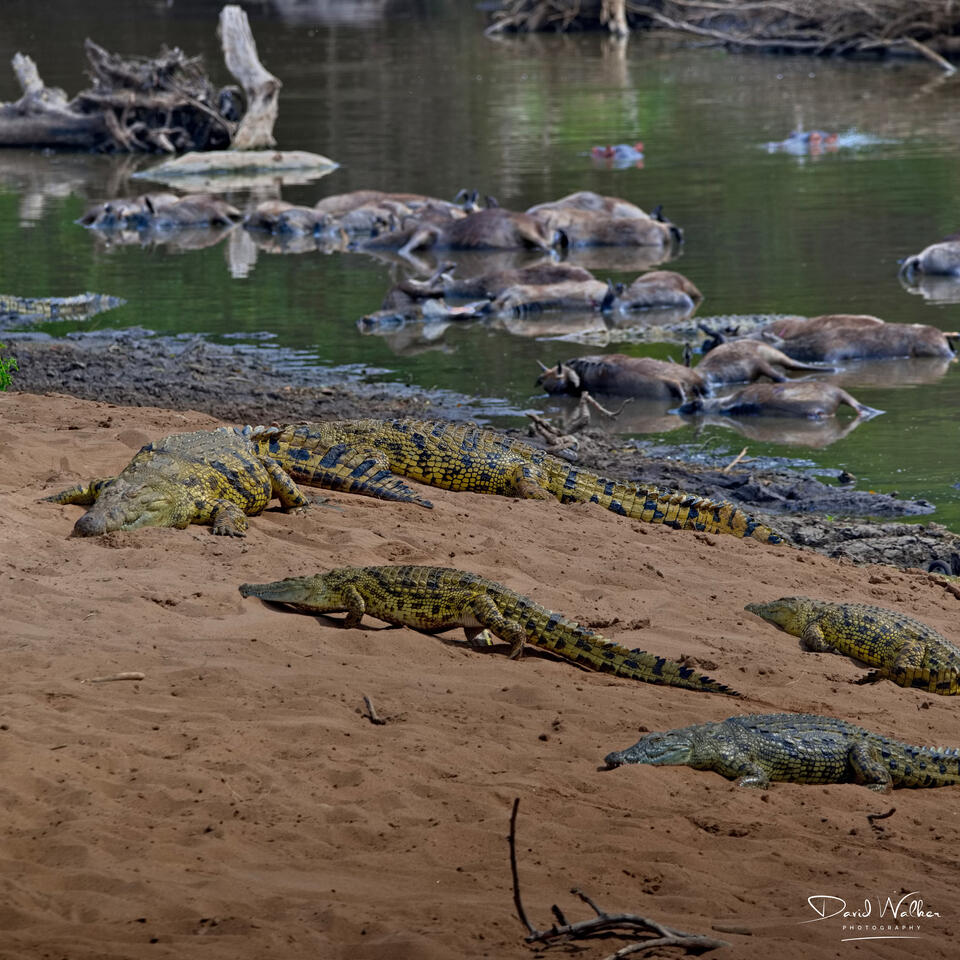
After breakfast, we headed out with Philip for a game drive that was to take the rest of the day. Our route took us across the Grumeti river and at the crossing point we found the river choked with wildebeest carcasses, to the extent that the water’s surface was completely obscured. They had tried to cross upstream but the water level was high, and they tend to keep on coming, trampling those that have gone before underfoot, so many drown.
It seems that, in contrast, the zebra, that often accompany the wildebeest in the migration herds, have more sense and there were no zebra carcasses in the group.
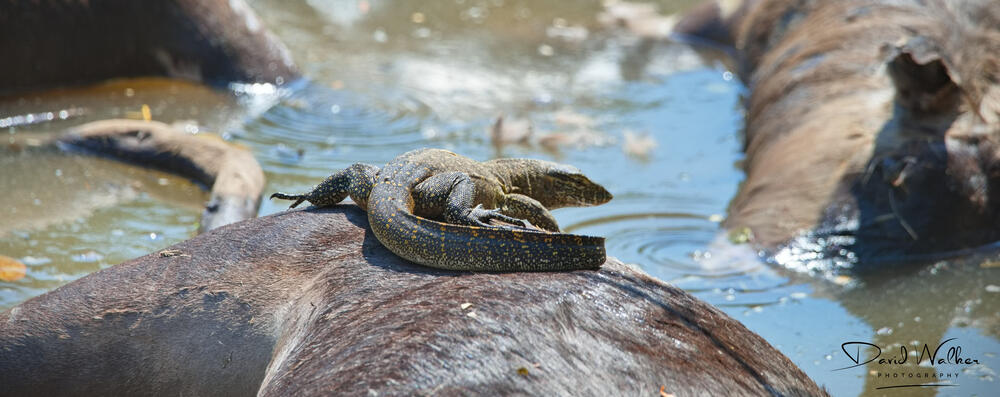
There was a Nile monitor lizard perched on one carcass and, while not pleasant, the smell was just about bearable!
On the Plains
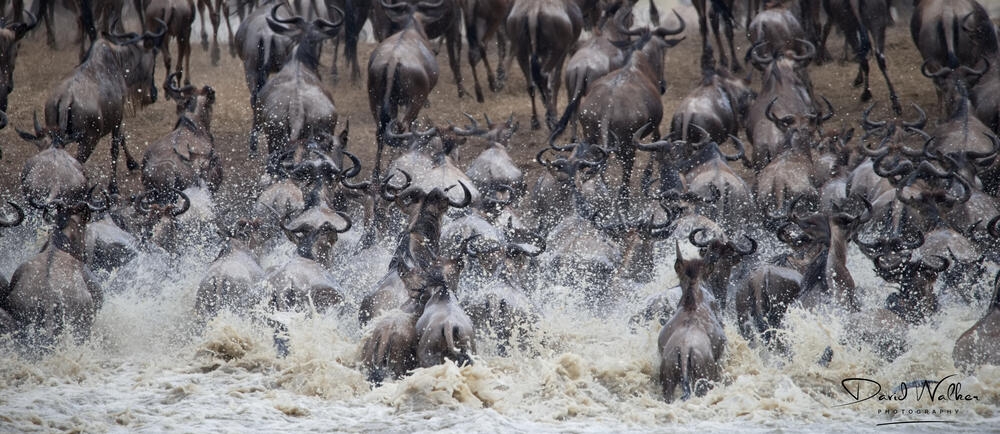
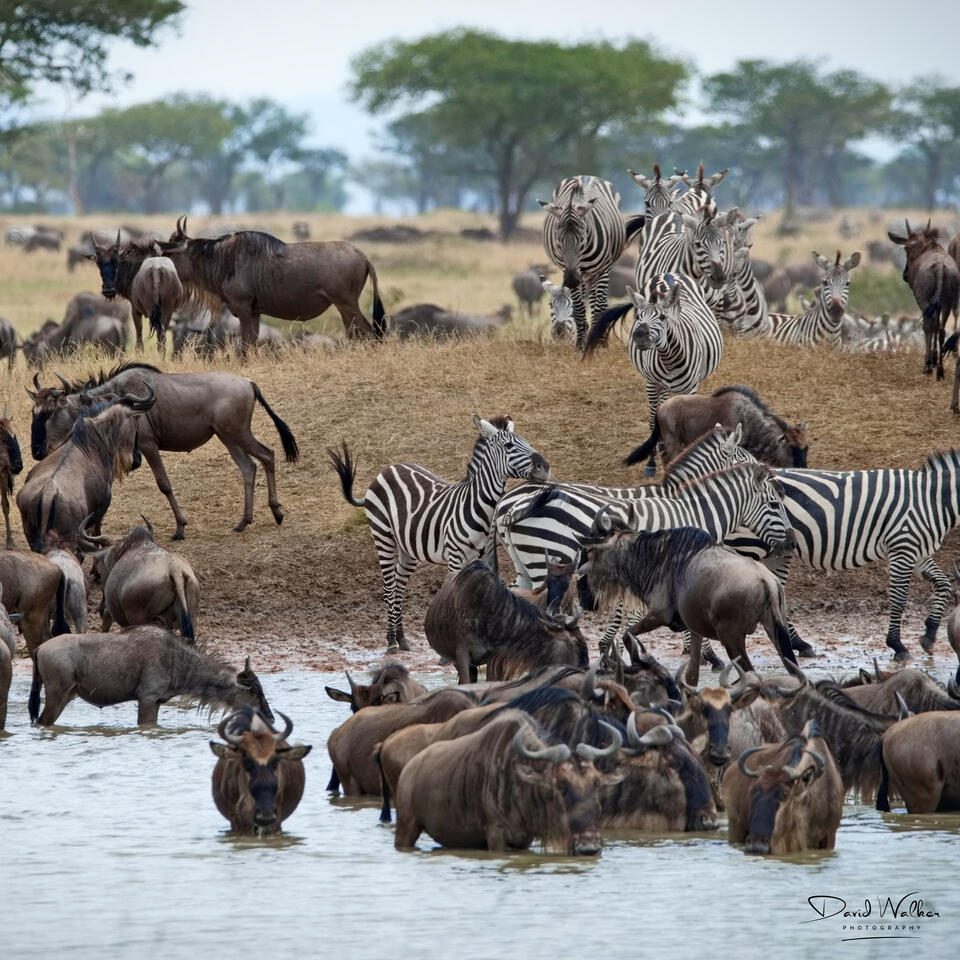
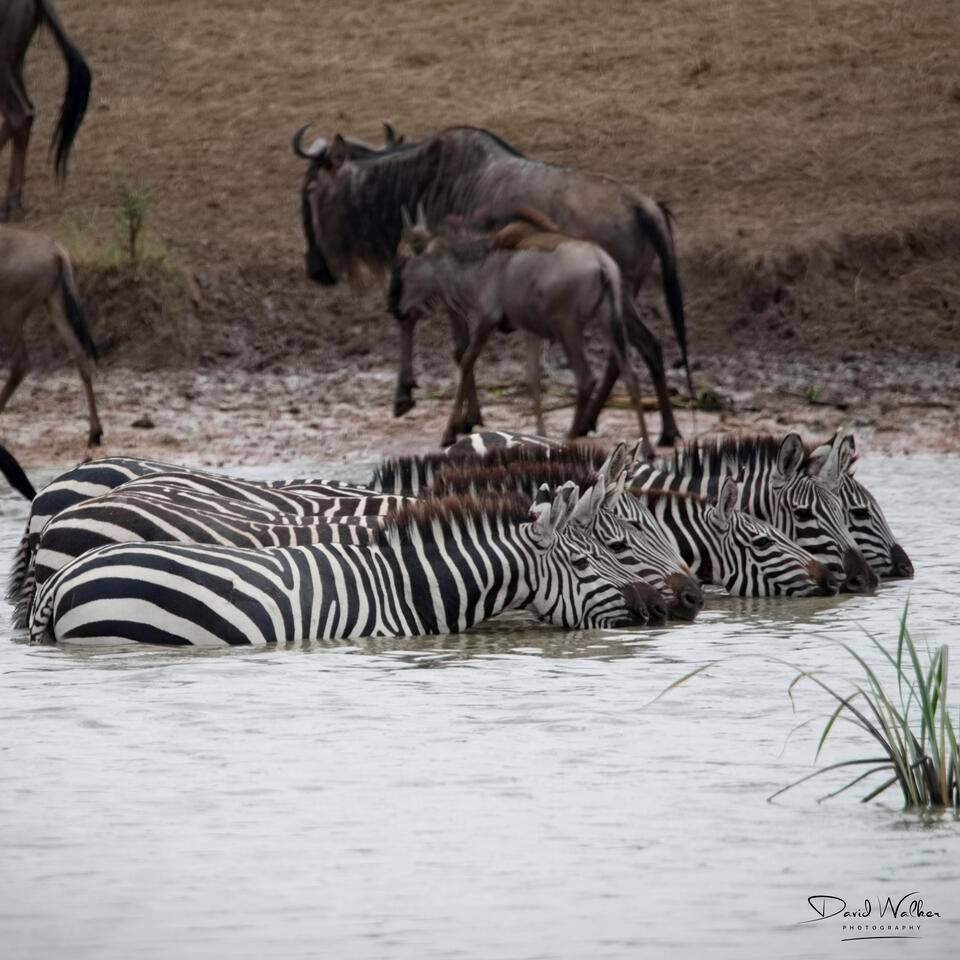
From the river, we made our way to a vast open plain where a column zebra and wildebeest were visiting a water hole, wading out belly-deep to drink, and then, having quenched their thirst, fanning out over the plain to graze.
It was a beautiful, peaceful scene: The file of animals appearing over a small rise to drink, zebra hee-hawing in the background and the air filled with the soft, nasal grunts that earned wildebeest the name “gnu” in the Khoikhoi (Khoekhoe) languages of Southern Africa, a name that was picked up by Dutch and Afrikaans speakers and from there made its way into the English language. I could’ve stayed and watched all day but, of course, we had to adjourn for lunch and continue our game drive.
The Return
Our return route took us back over the crossing we used earlier in the day. This time, after an afternoon in the baking African sun, some of the bodies had started to bloat and discolour and the stench was unbearable, to the extent that it made me retch.
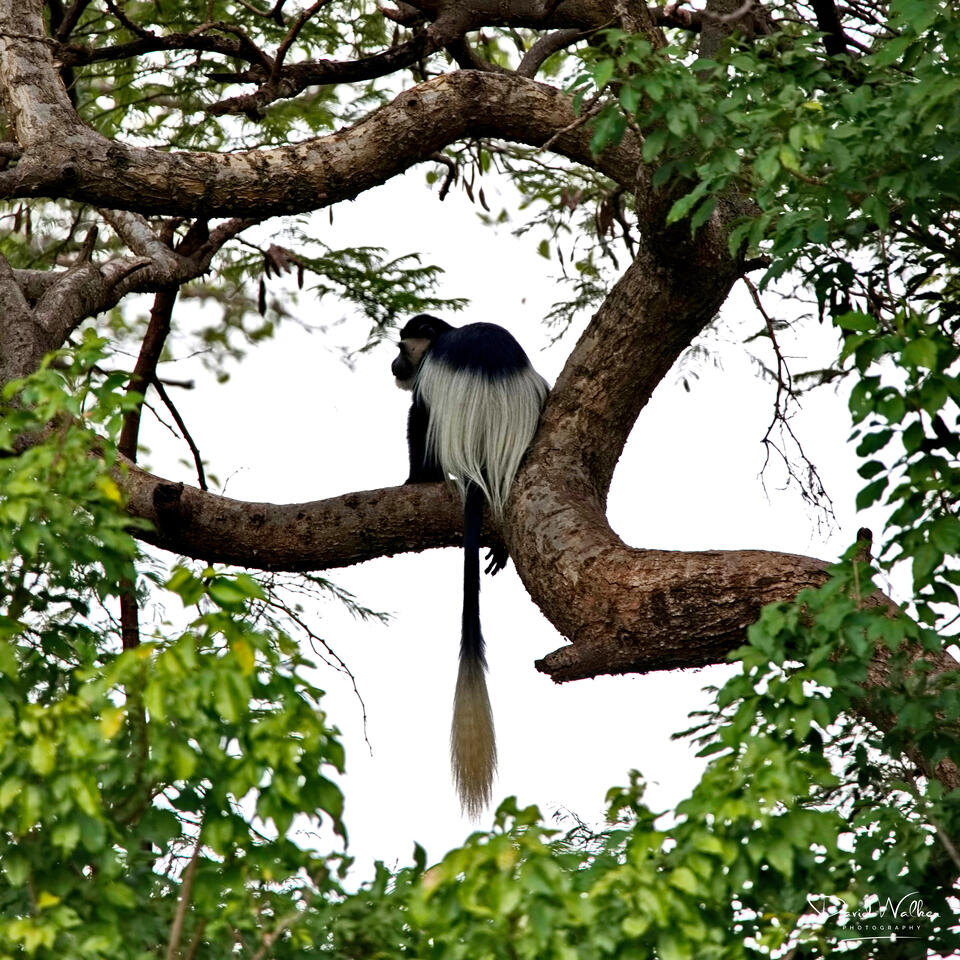
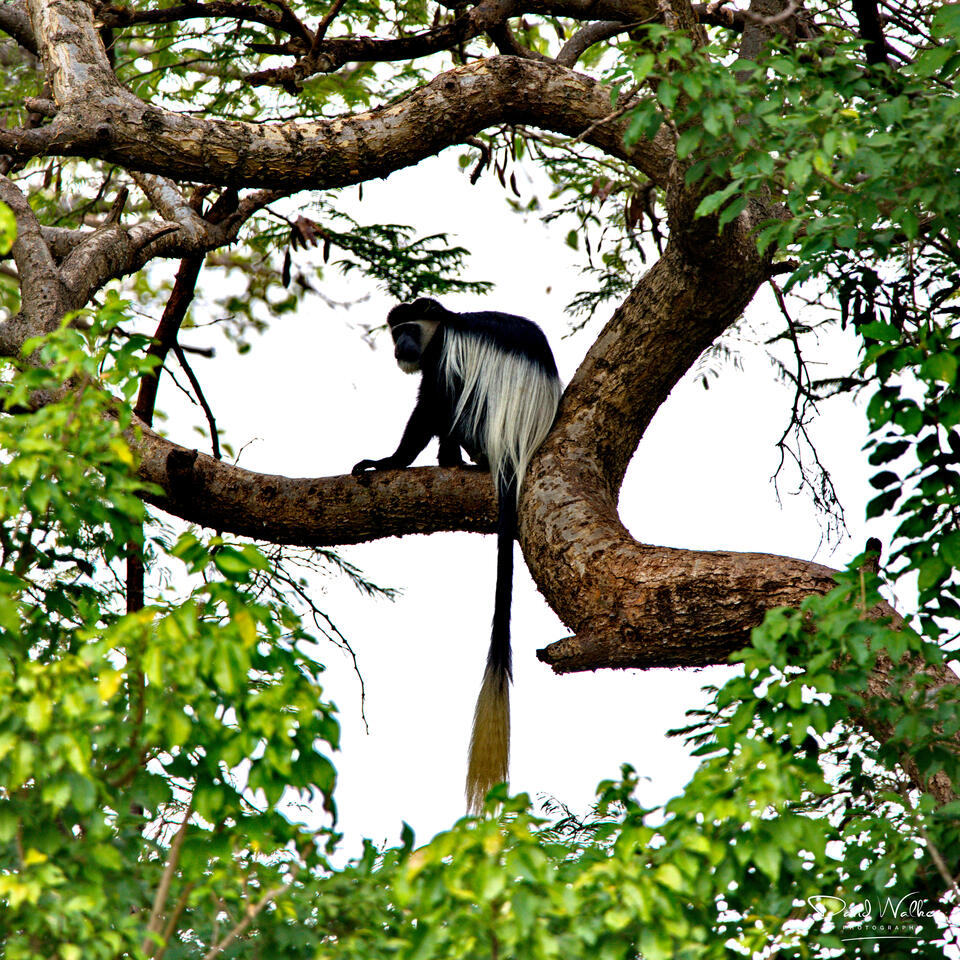
Philip drove us away from the spot as fast as he could to a spot upstream, where there were Colobus monkeys in the trees, their long tails with white bushy ends hanging down from their perches in the branches.
Crossing the River
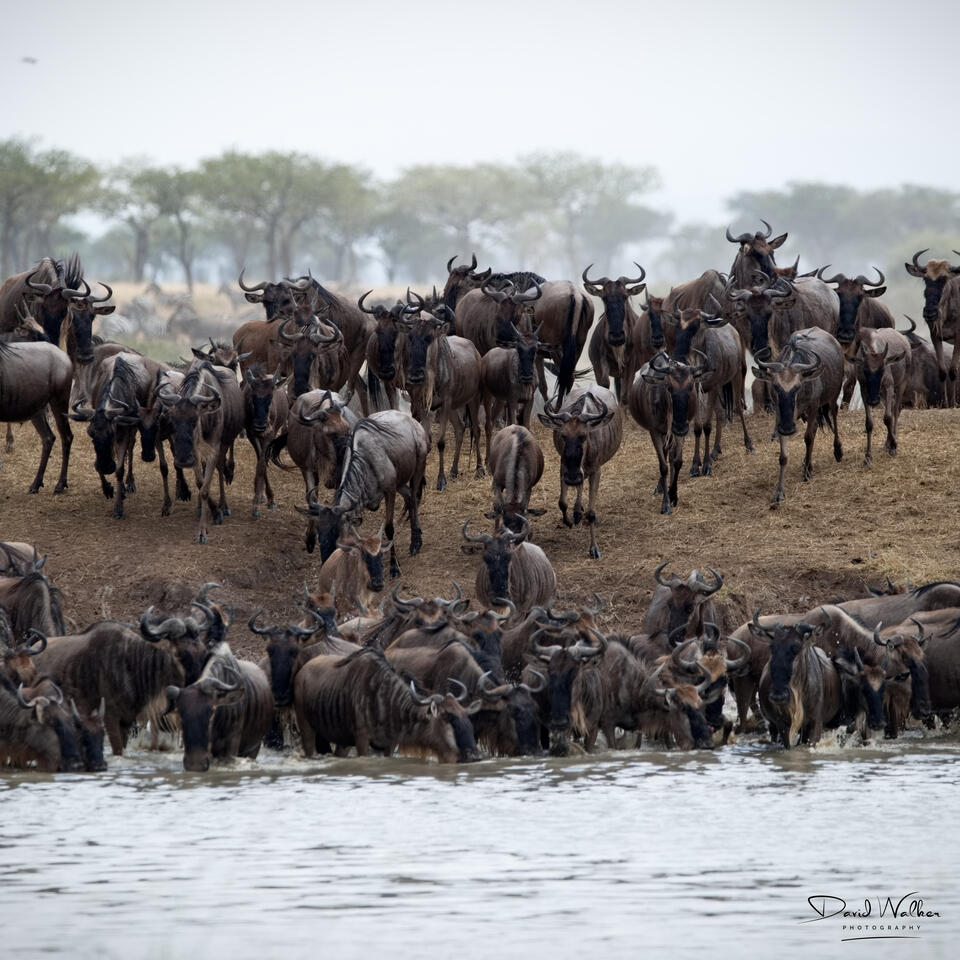
From there, we headed back to Mbalageti but the day’s treats weren’t quite over. Another column of wildebeest and zebra were crossing the Grumeti, just downstream from the ford that leads to the camp, and Philip did a short off-road drive to get us to a vantage point where we could watch the iconic scene.
We had a surprise when we turned round to go back to the road, though. The plain had been empty when we drove off it to watch. Now, though, it was packed with wildebeest and zebra, filling up over the course of only a few minutes. A testament to the vast numbers of animals in the migration.
We had much to talk about at dinner that evening, the events of the day still fresh in our minds and not yet fully settled.
Field Notes
- Grumeti River - major river in the Western Serengeti; a key obstacle during the migration, particularly in periods of high water
- Migration Mortality - river crossings are a significant source of mortality for wildebeest; animals may drown due to crowding, strong currents, or steep banks
- Wildebeest Behaviour - strong herd instinct leads to continued forward movement even in dangerous conditions; individuals often follow those ahead without hesitation
- Zebra Behaviour - zebra often accompany wildebeest but show more selective crossing behaviour; may delay or avoid hazardous entry points
- Nile Monitor (Varanus niloticus) - opportunistic scavenger; observed feeding on carcasses at river crossing
- Colobus Monkey - arboreal primate observed in riverine woodland; distinctive black-and-white coloration with long, tufted tail
- Watering Behaviour - herds approach water in loose columns; individuals drink before dispersing to graze
- Acoustic Landscape - wildebeest vocalisations (‘gnu’) and zebra calls contribute to characteristic soundscape of the plains