Field Notes Journal Entry
The Western Corridor and The Migration
The Western Corridor opens onto something vast: zebra in their thousands, wildebeest in their tens of thousands, and the first true encounter with the scale and movement of the Migration
First Sight of the Migration
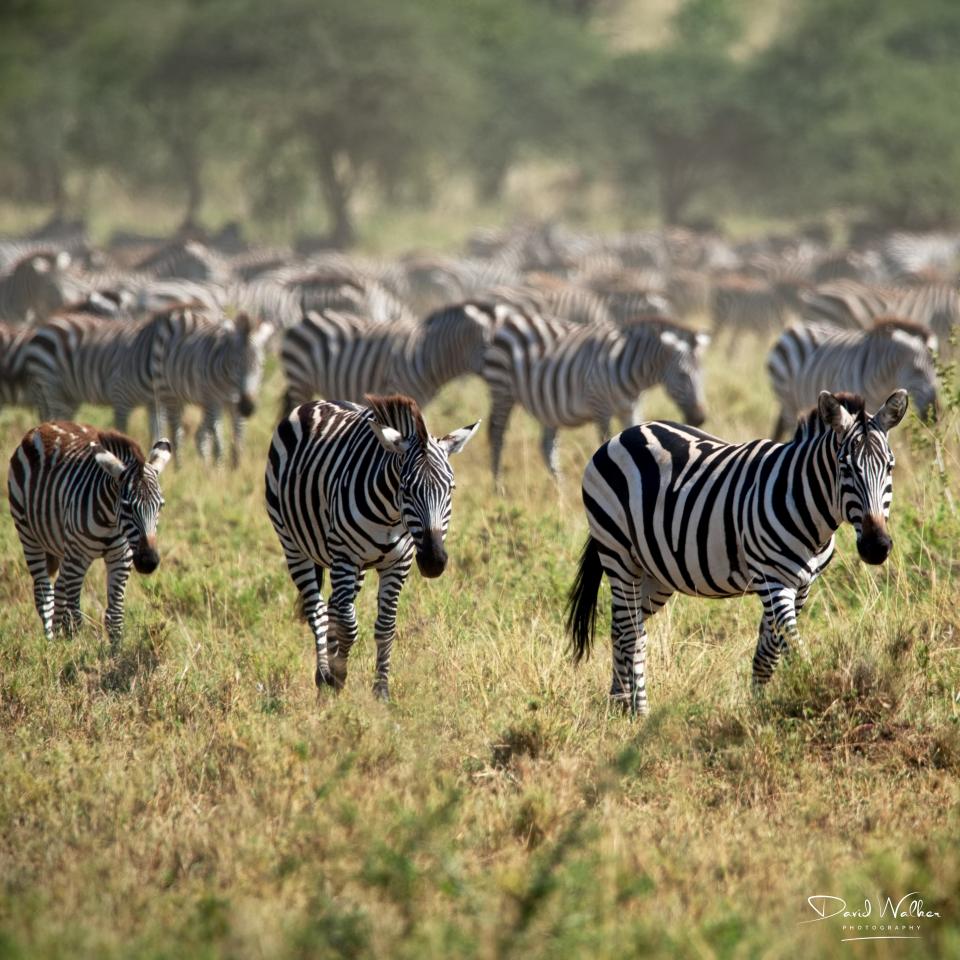
The game drive we did on the way to our camp in the Western Corridor brought us our first encounter with The Migration, the great circular motion of over 1 million wildebeest, accompanied by zebra, following the rains and the fresh grazing and water they bring. Entering the Western Serengeti marked a change in the scale of our wildlife experiences.
Zebra on the Plains
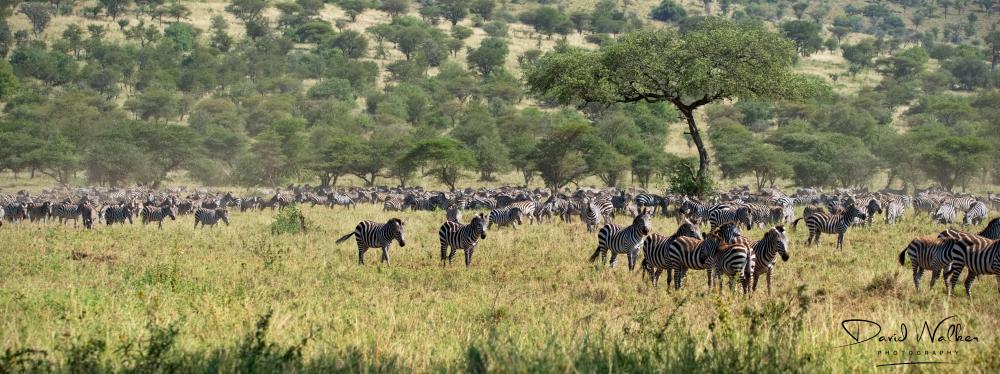
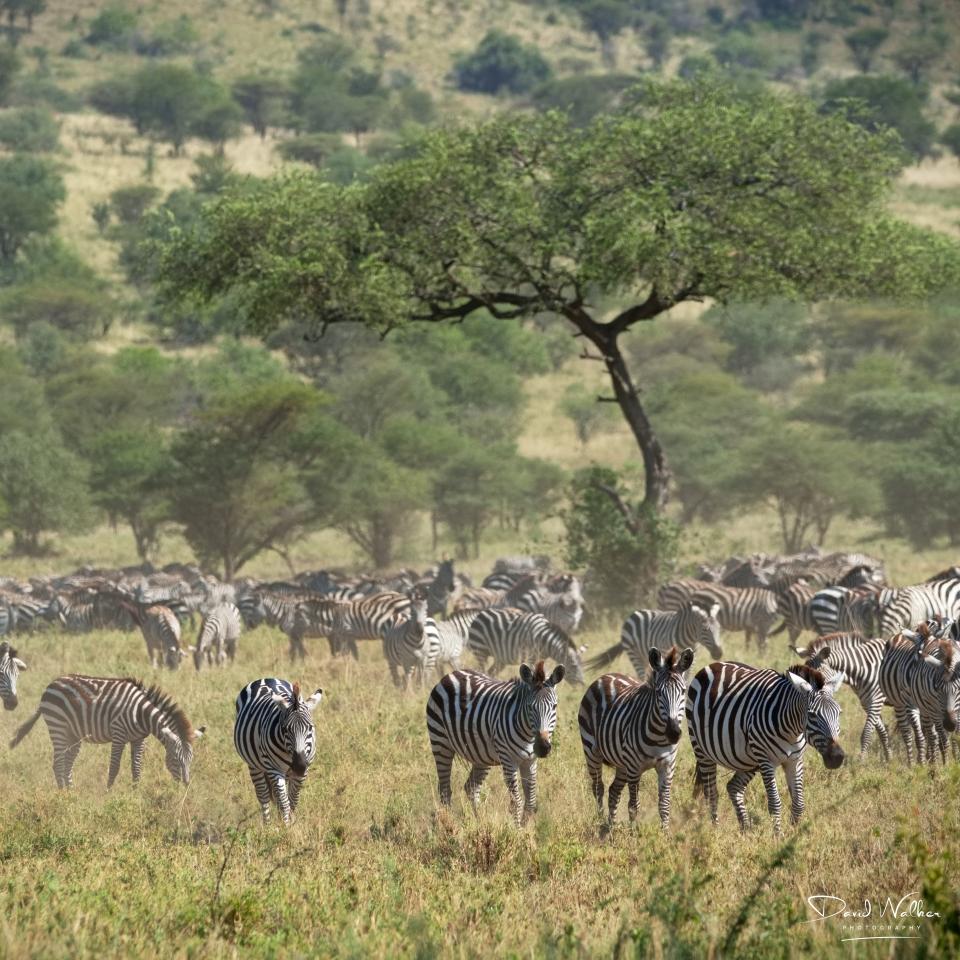
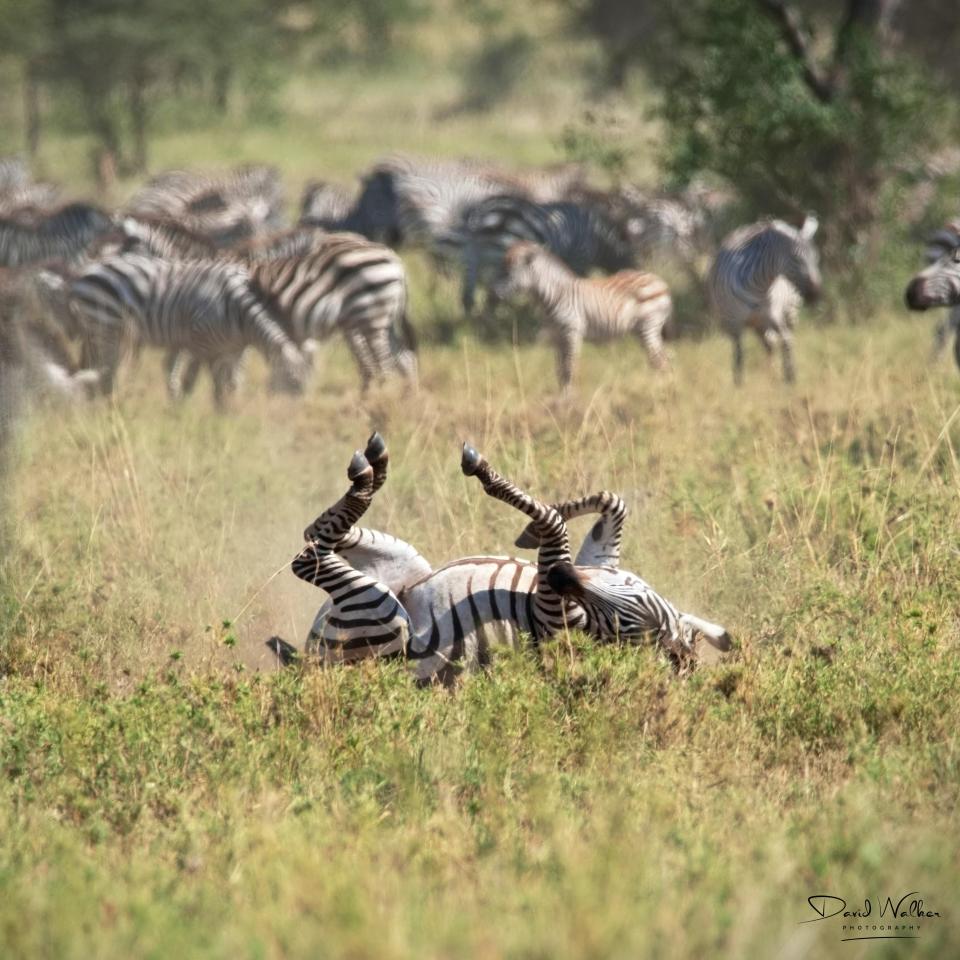
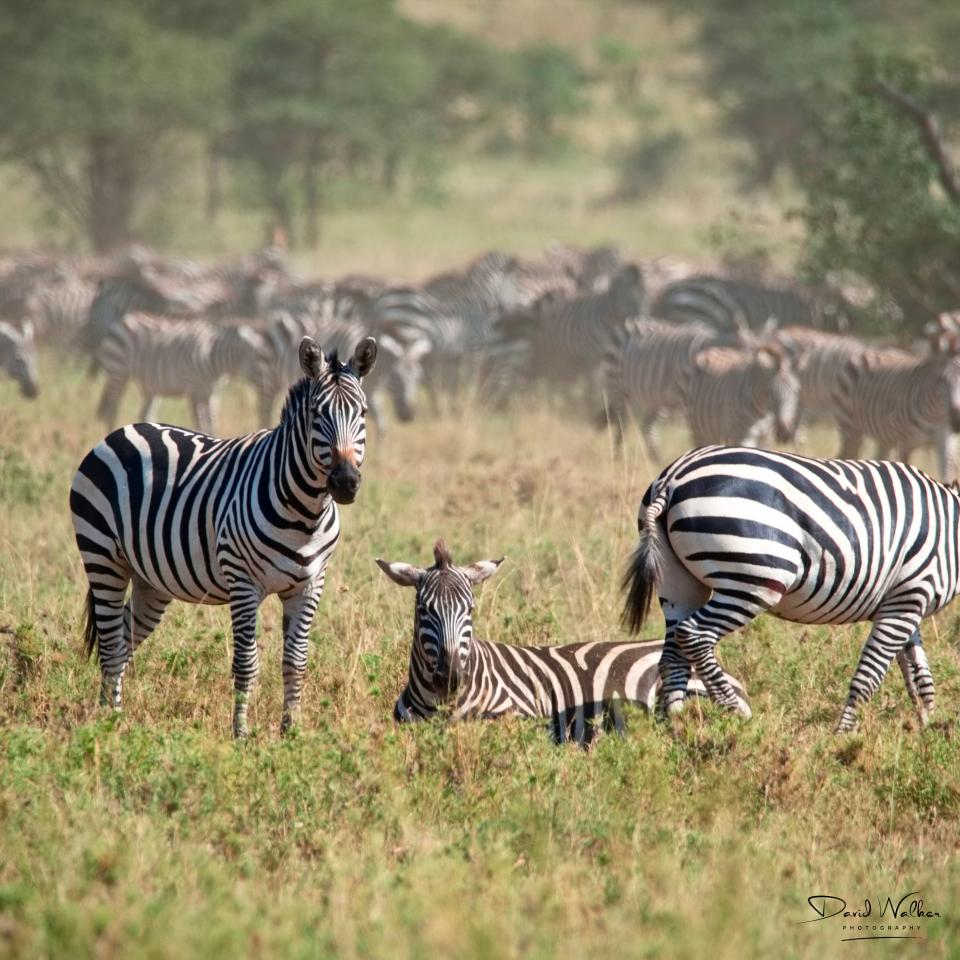
The encounter came in the form of what seemed to be a vast heard of zebra, crossing the road to a river to drink, though Philip estimated their number to be somewhere in the region of 5,000. As with many of our experiences on our safari, they had a powerful emotional impact as it was a truly beautiful thing to behold.
They seem to fill the plains all the way to the foothills of the hills rising in the distance, flooding into it from a point somewhere off to the left at the rear of the plain. It was an incredibly peaceful scene, with only the occasional whinny to break the peace.
Wildebeest on the Move
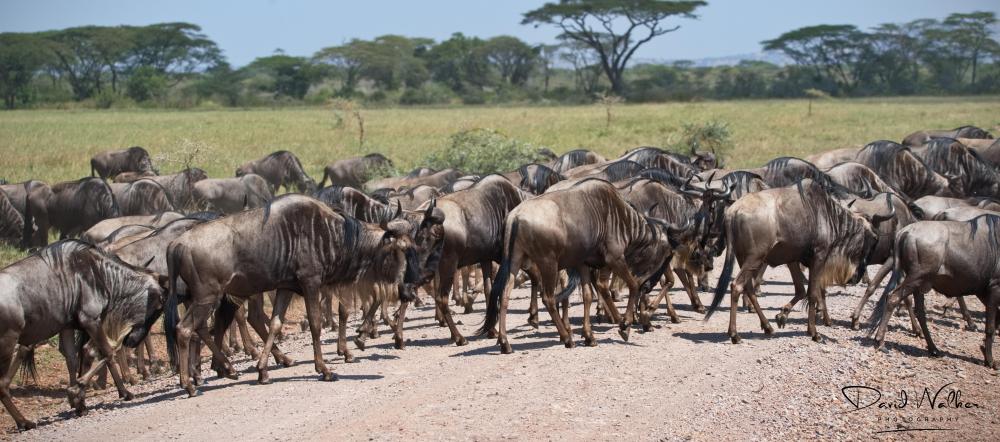
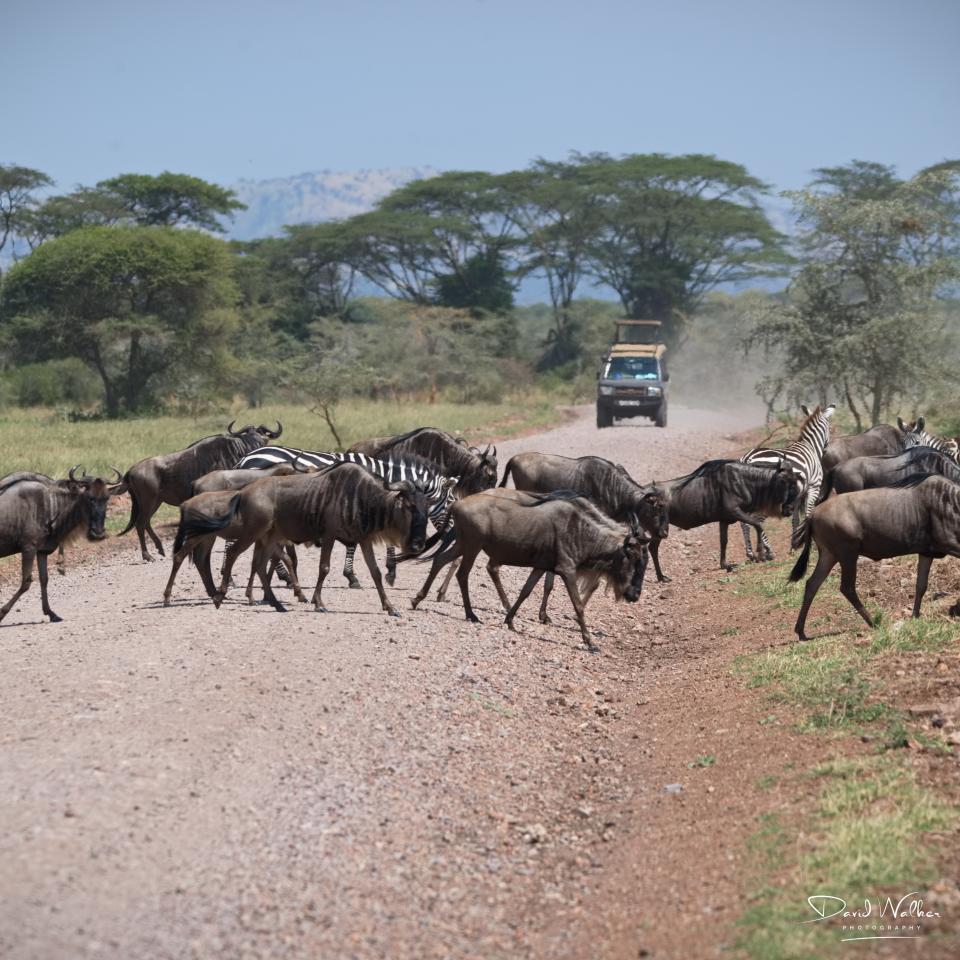
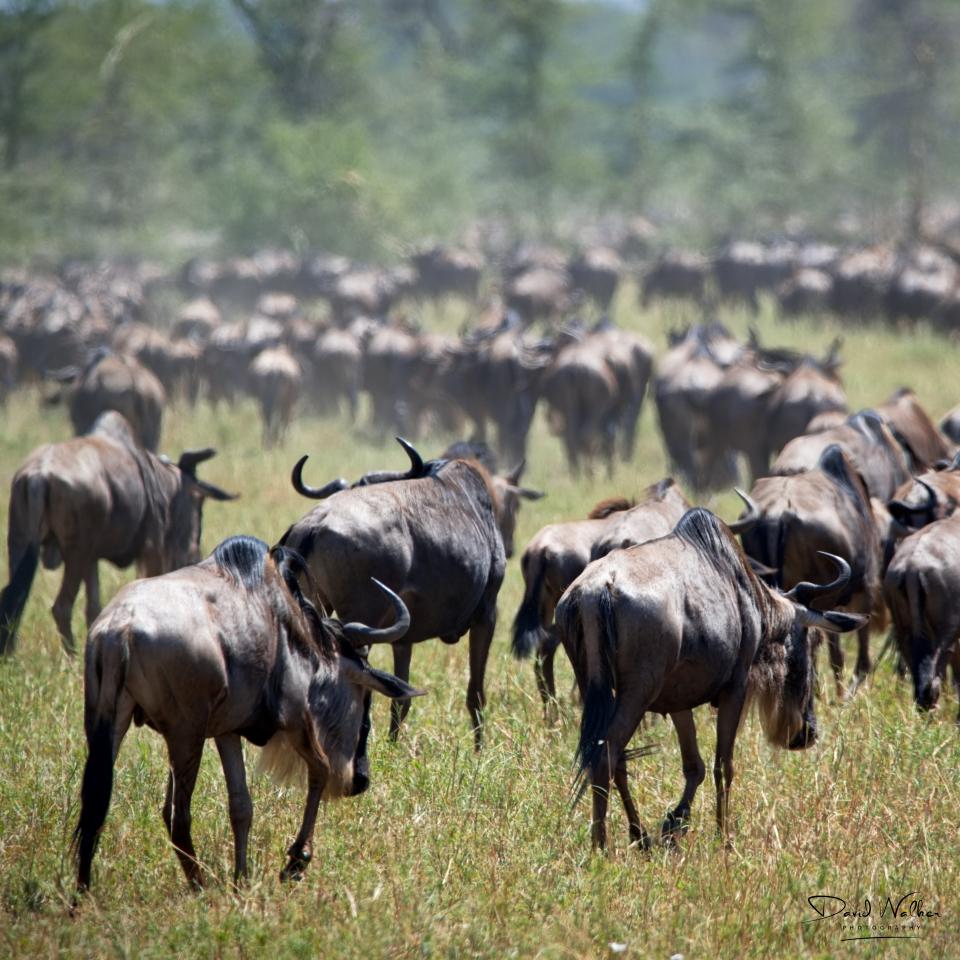
Further along our way, we were treated to an equally sizeable herd of wildebeest, with a smattering of zebra interspersed within it. The herd seemed to graze its way towards the road and then pause, waiting for some unseen signal from one of its members, before filing across the road and heading to the opposite horizon as a single column, in search of the river where they could quench their thirst. It was a truly magnificent sight.
Mbalageti Safari Camp
Arriving at our next accommodation, Mbalageti Safari Camp, we could tell at once that it was going to be superb. The warm welcome, The spotlessly clean reception, the perfect decor and the whole feel of the place just oozed quality. It couldn’t have been further from “Fawlty Towers”!
Our room was a part-tented, part-fixed chalet with a sizable and well appointed bathroom that had none of the exhibitionist tendencies of the previous place. The water was solar heated, wonderfully hot and available in copious amounts to feed a fabulous “rain” shower that felt wonderful and was oh-so-welcome after a dusty drive across the western corridor.
The chalet was positioned on the hillside with spectacular views out over the plain, far below, from the veranda. We could see a heard of buffalo assembling on the plain from our high vantage point.
Lunch was served a restaurant with views out over the African bush that rivalled those from our veranda. The food was fresh and delicious; a garden salad, butter chicken and a fruit salad, selected from the menu on check-in. Not a tinned Frankfurter to be seen!
Evening Game Drive and The Herd
The evening game drive provided more extraordinary experiences that have become indelibly aged into our memories of an already unforgettable trip. We first encountered a lone and massive bull elephant crossing the road. It was all macho aggression until Philip challenged it with the Land Cruiser at which point it ran off, not quite with tail between its legs but definitely eager to put as much distance as it could between it and us.
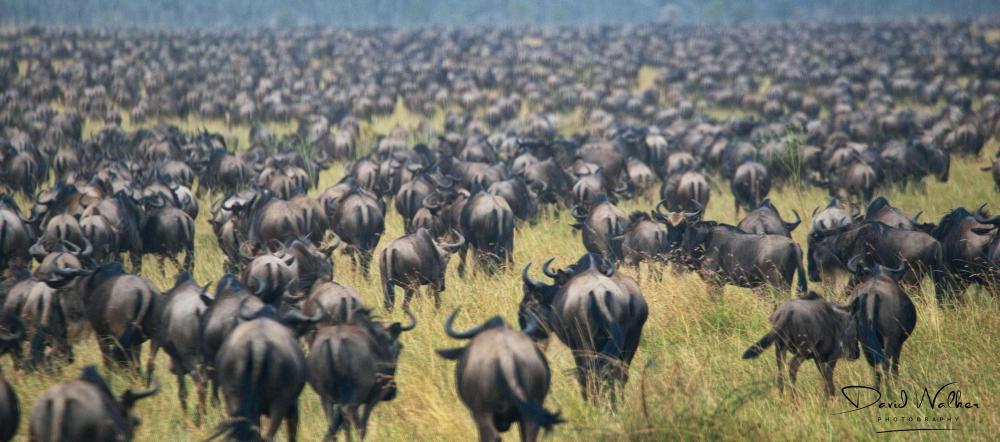
Most jaw-droppingly spectacular, though, was a massive herd of migrating wildebeest, crossing the road in a column and flooding out into the plain on the other side, filling it as far as the eye could see. Philip estimated their number at about 50,000 head.
Return to Camp
As we headed back, the day seemed to catch up with us all at once. It had been immense in every sense—miles travelled, the scale of the herds, moments that still hadn’t quite sunk in. Tired but quietly exhilarated, we rolled back into camp with the promise of a good dinner ahead, the kind that feels especially well earned after a day like this, and the even greater pleasure of sitting still for a while and letting the scale of it all begin, slowly, to make sense.
Field Notes
- On scale and perception - This was our first real encounter with the Migration, and with it a shift in perception. Numbers that would be extraordinary anywhere else—hundreds, even thousands—became almost incidental against the scale of the herds moving through the Western Corridor
- The Migration - The Great Migration is a continuous, circular movement of wildebeest, zebra and other grazers across the Serengeti–Mara ecosystem, driven by rainfall patterns and the search for fresh grazing and water
- Mbalageti Safari Camp - Located in the Western Serengeti, the camp’s elevated position offers wide views over the plains—an ideal vantage point during the migration season