
IN-2026-001 - Common Cleavers (Galium aparine) — Stem (T.S.)
Specimen & Context
| Date | 2026-03-24 |
| Species | Galium aparine |
| Common Name | Common Cleavers |
| Habit | Weak, scrambling climber using hooked hairs to attach to surrounding vegetation |
| Material | Fresh stem |
| Location | Abingdon, Oxfordshire, UK |
| Preparation | Stem, Transverse Section (T.S.) |
| Stain | None |
| Series | Scheme of Structural Investigations - Series II — Support & Conduction |
Overview
This investigation examines the internal structure of the stem of Galium aparine (Common Cleavers) using transverse sections. The aim was to understand how the plant’s anatomy supports its scrambling growth habit, with particular attention to mechanical support and tissue organisation.
Method (Summary)
- Freehand transverse sections taken from fresh stem material
- Sections mounted in water (W.M.)
- Observed under low and high power objectives
- Multiple sections prepared to improve consistency and clarity
Observations
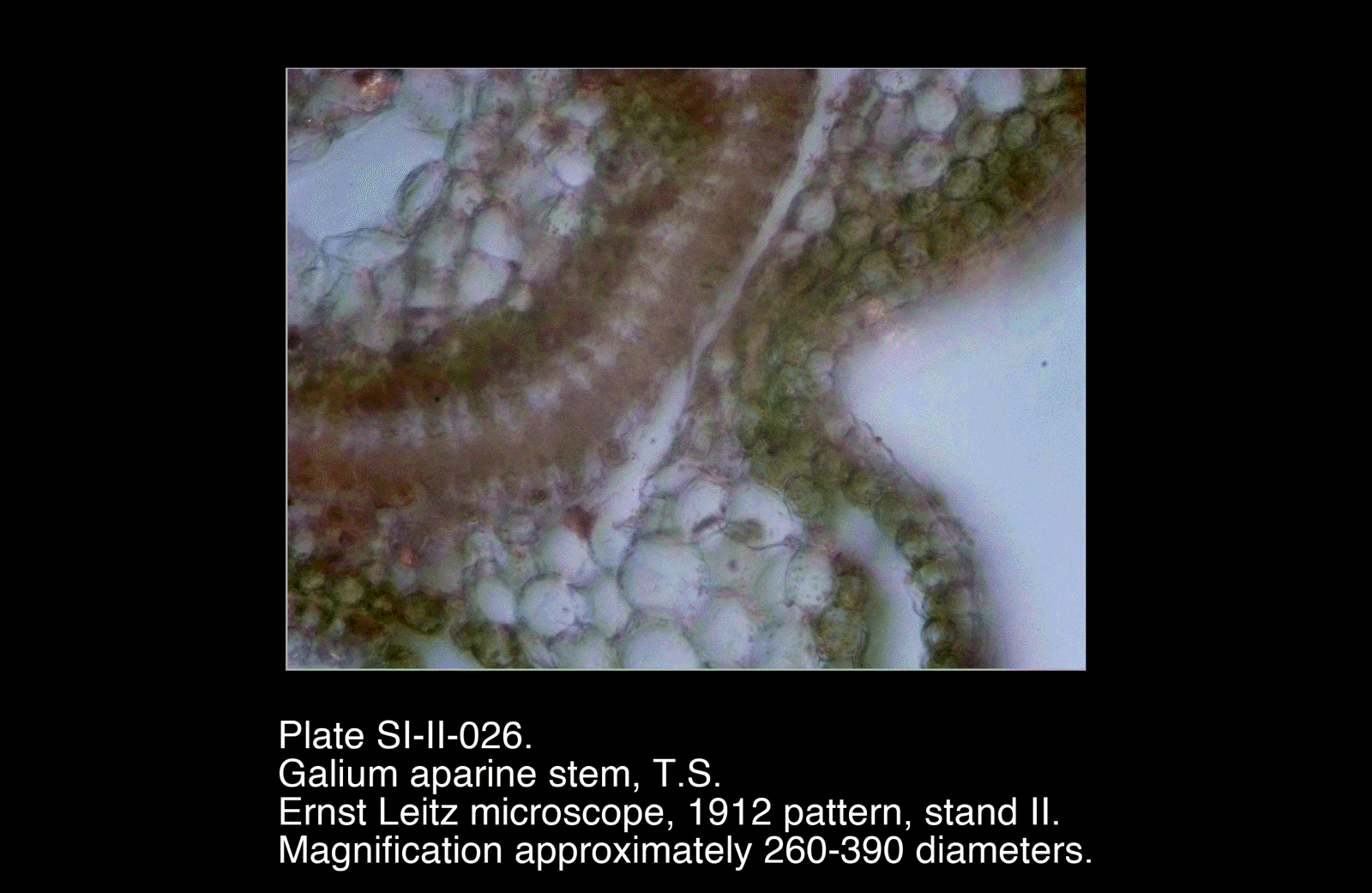
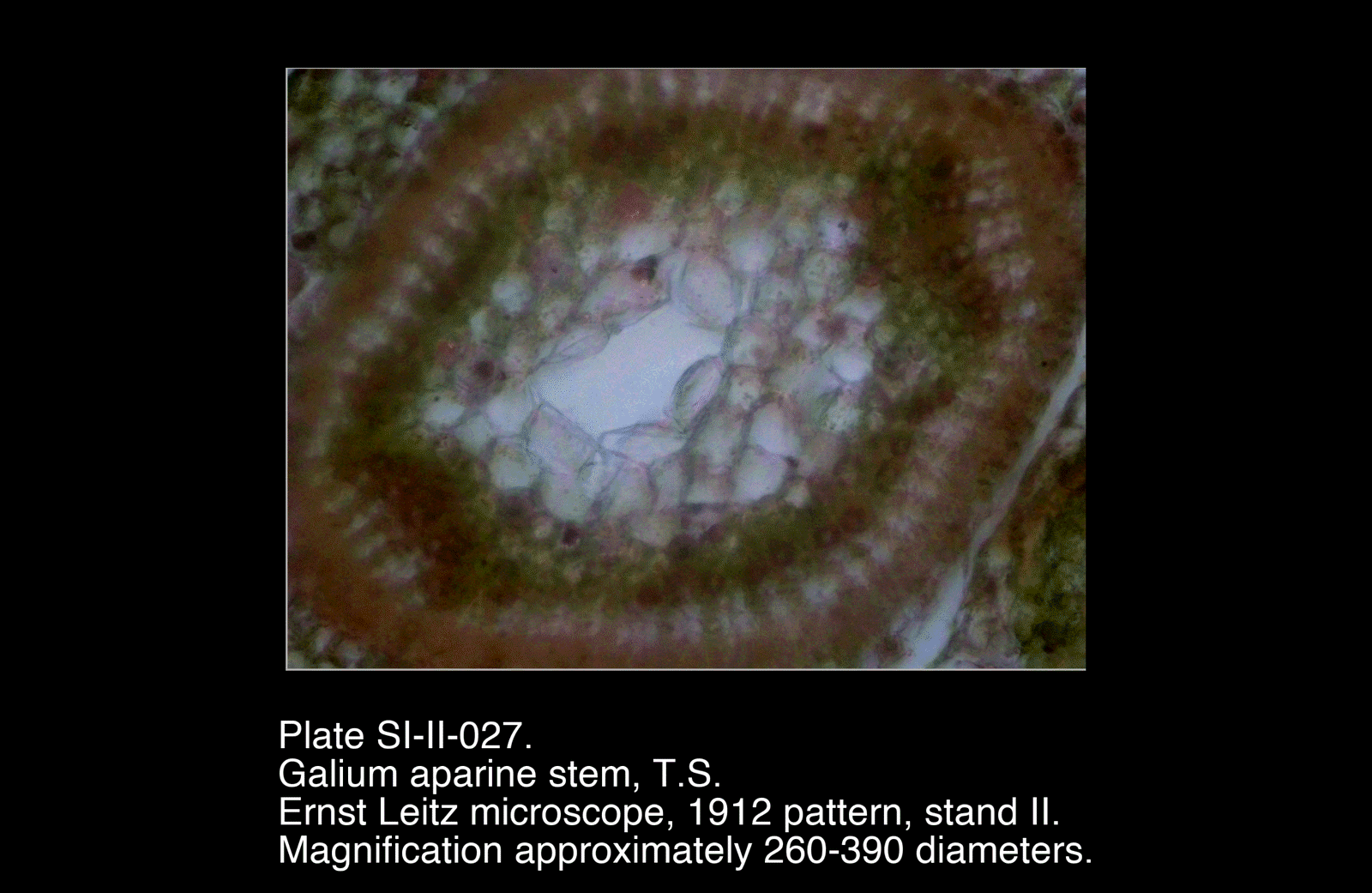
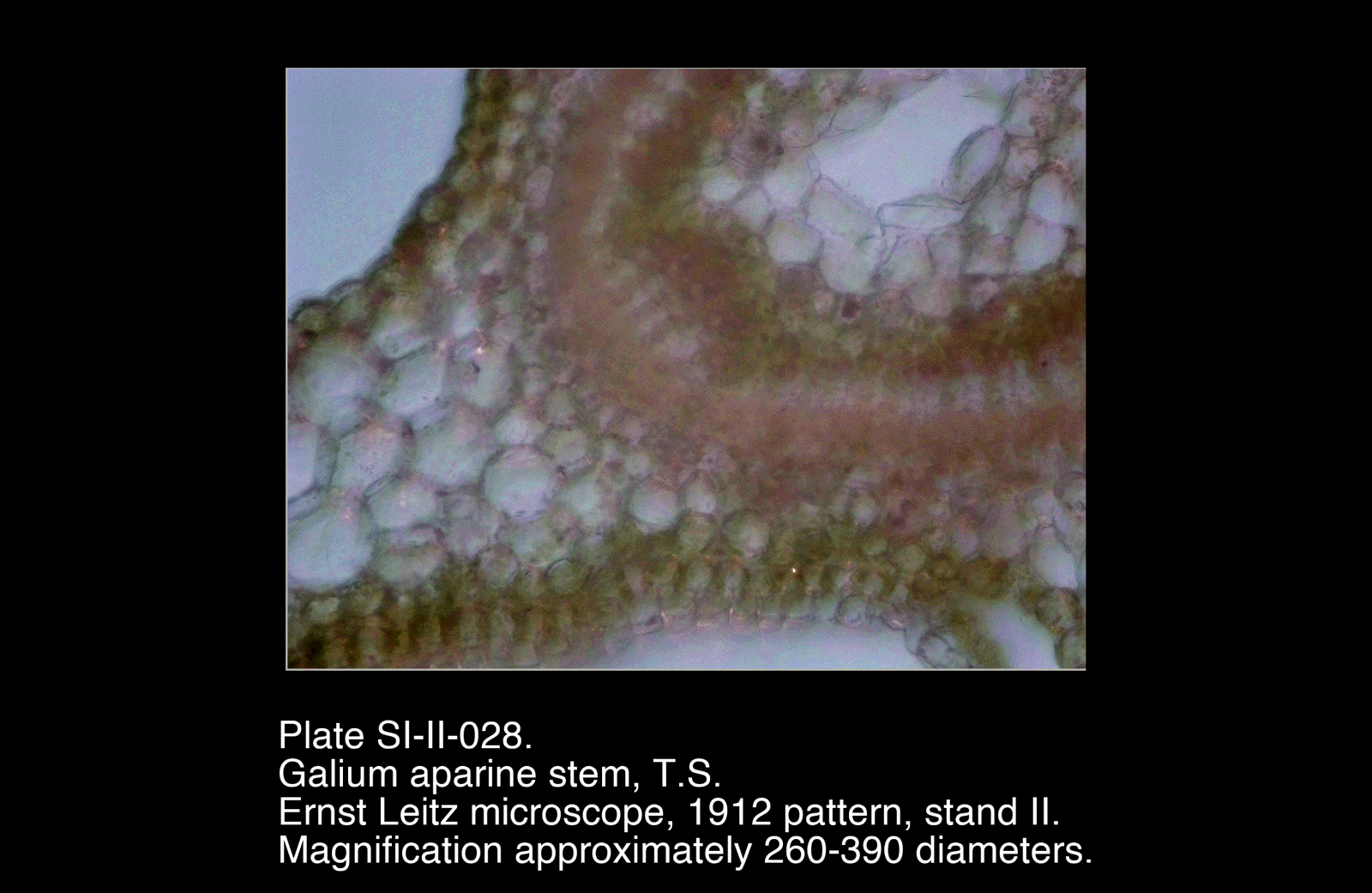
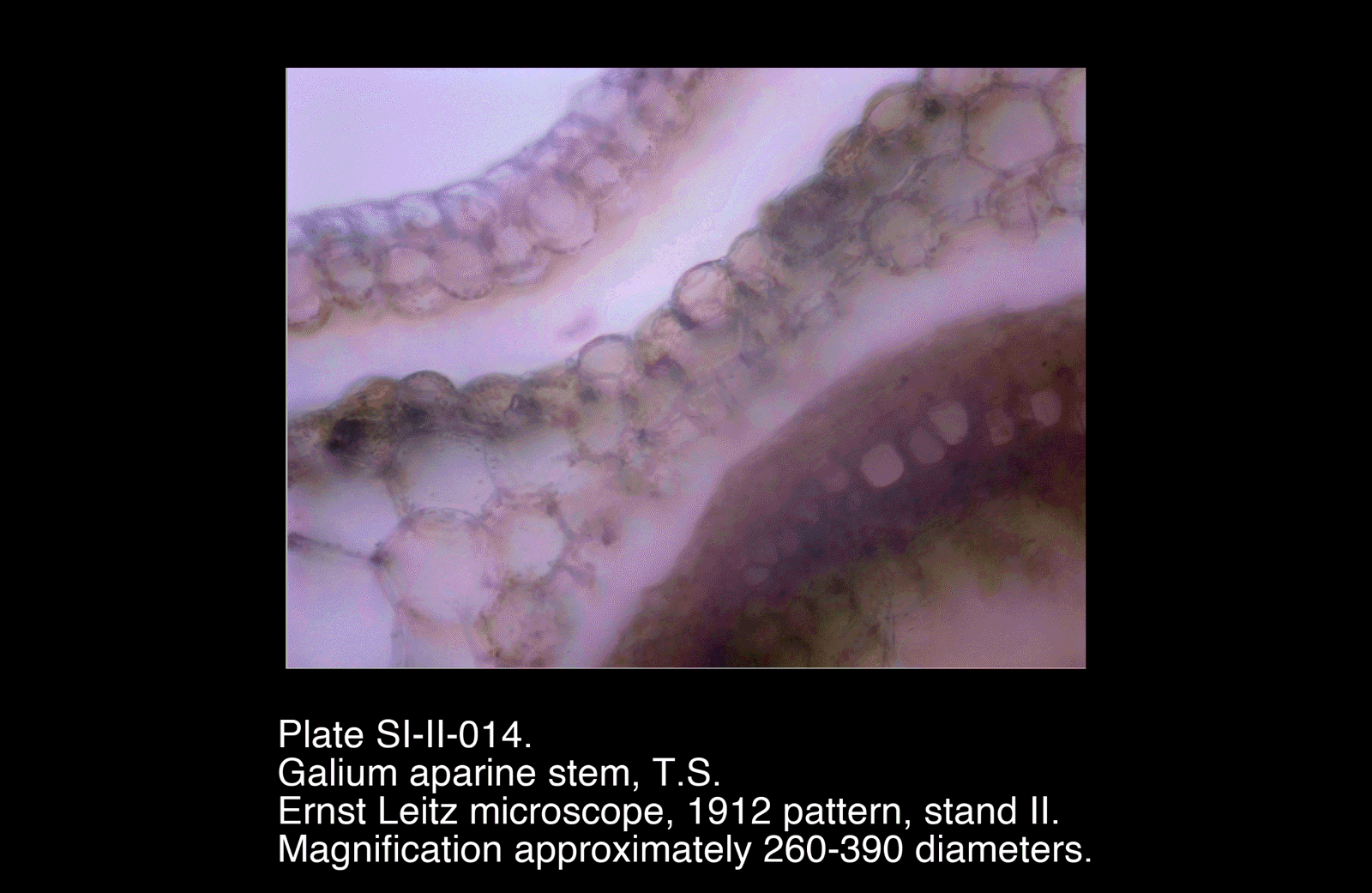
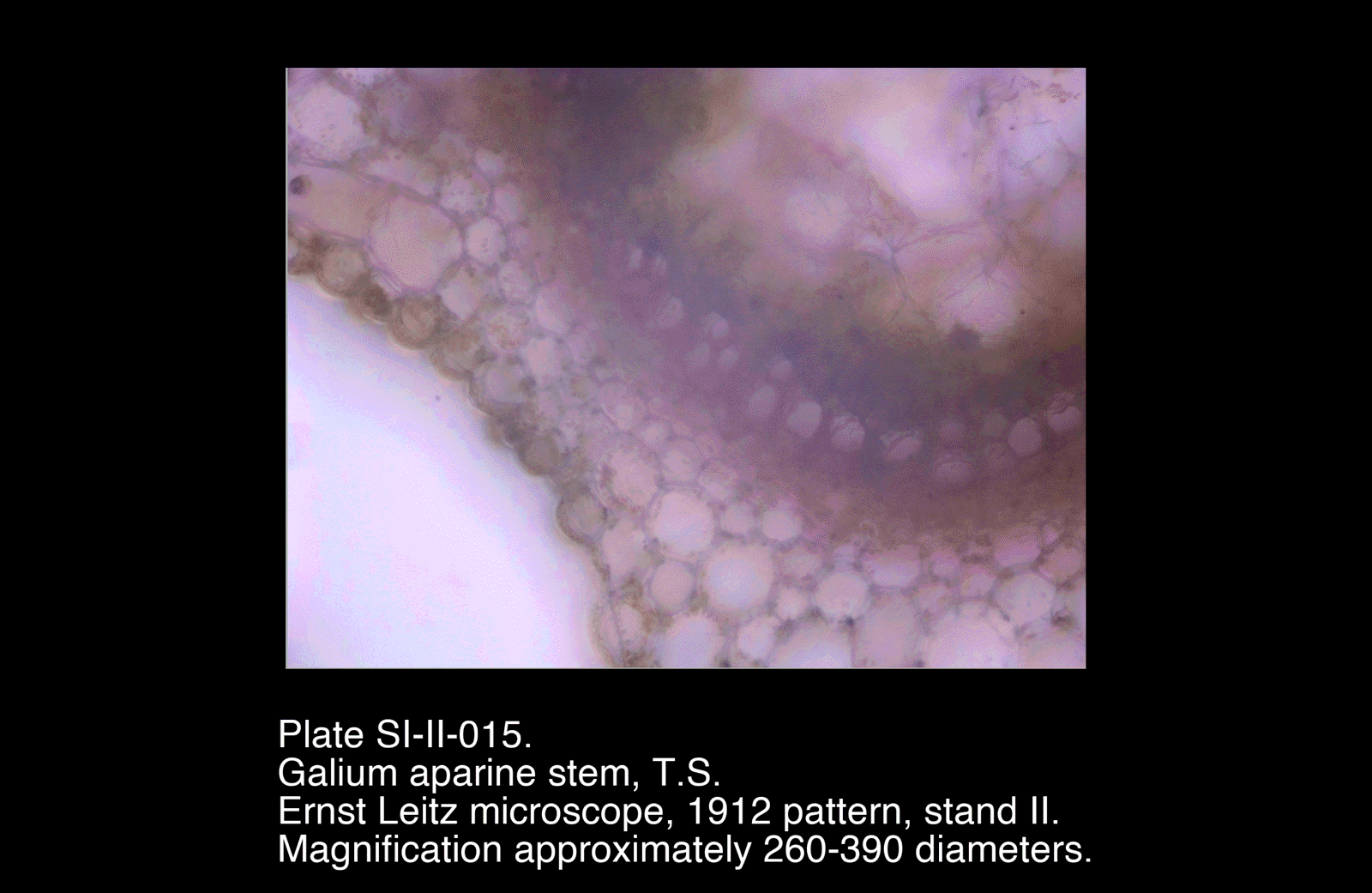
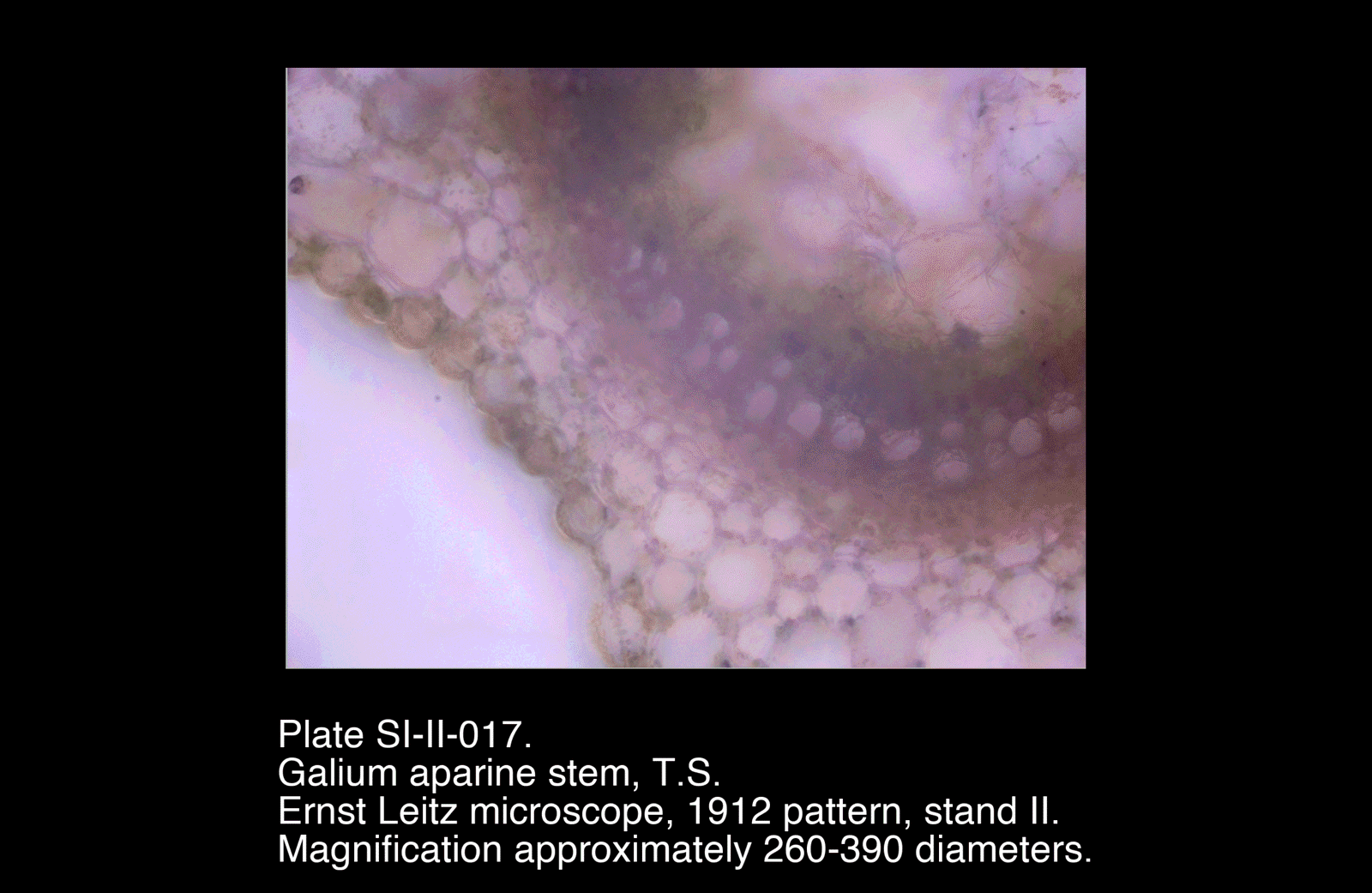
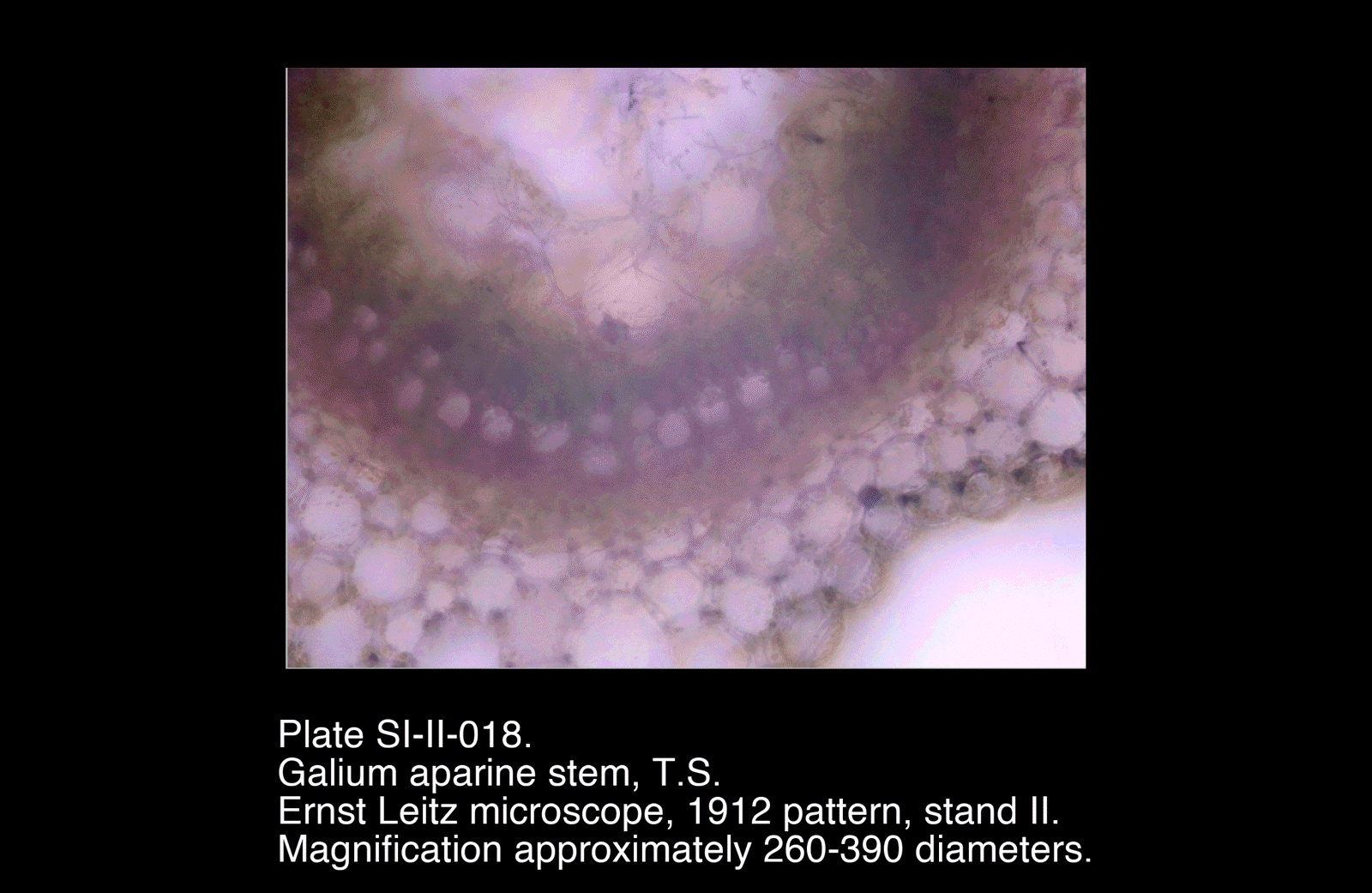
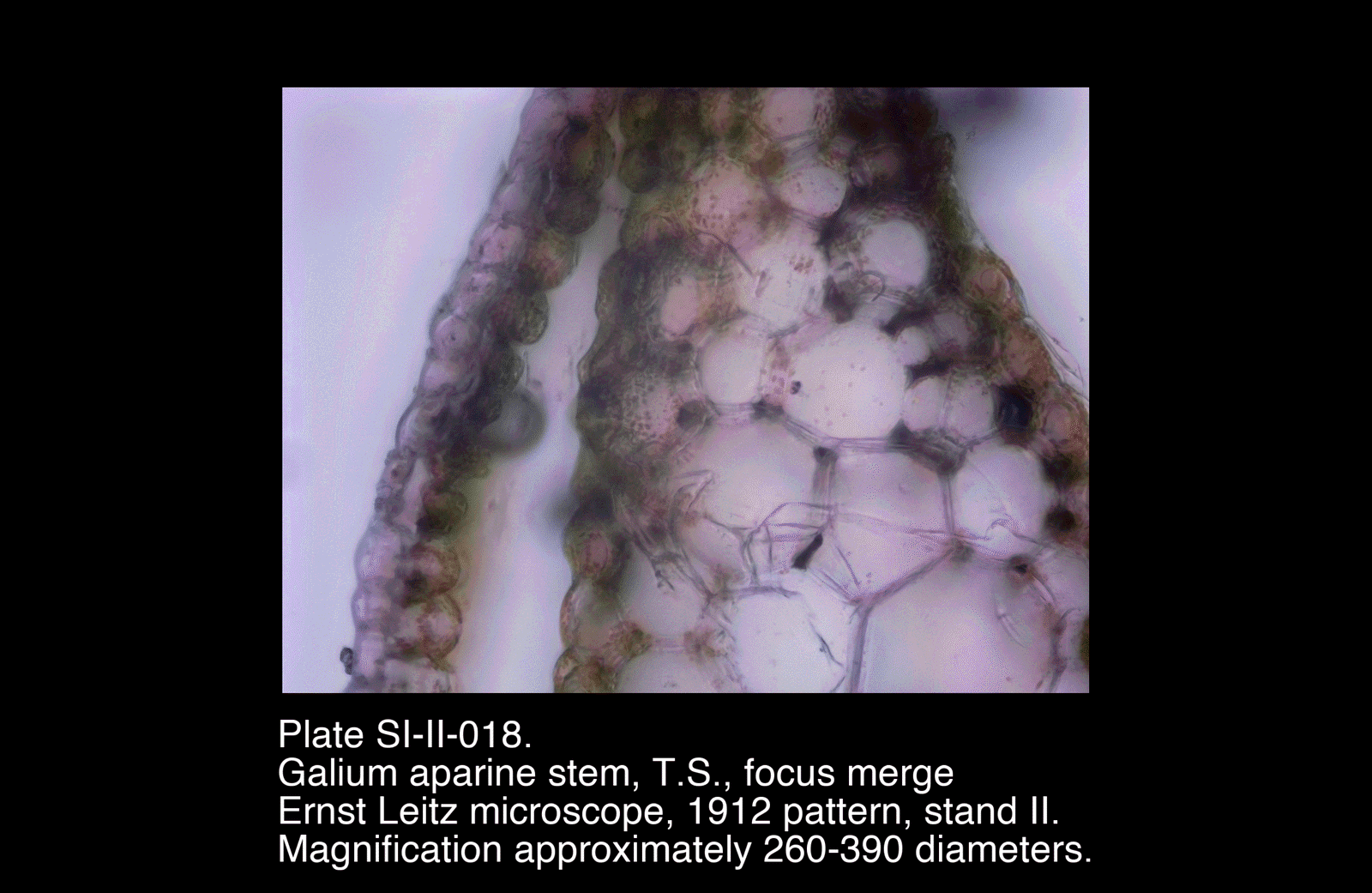
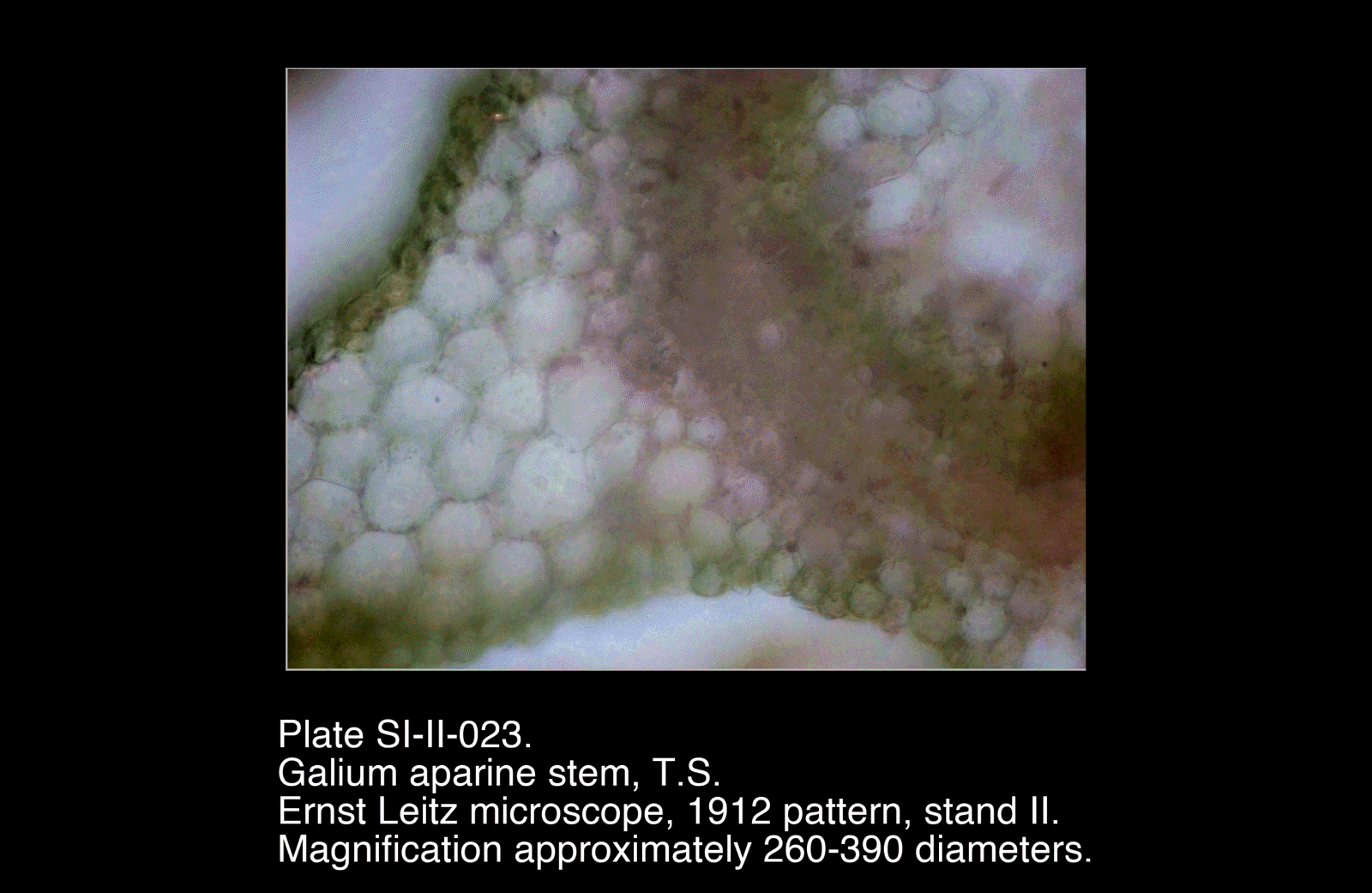
- Stem outline broadly angular / ridged, rather than circular
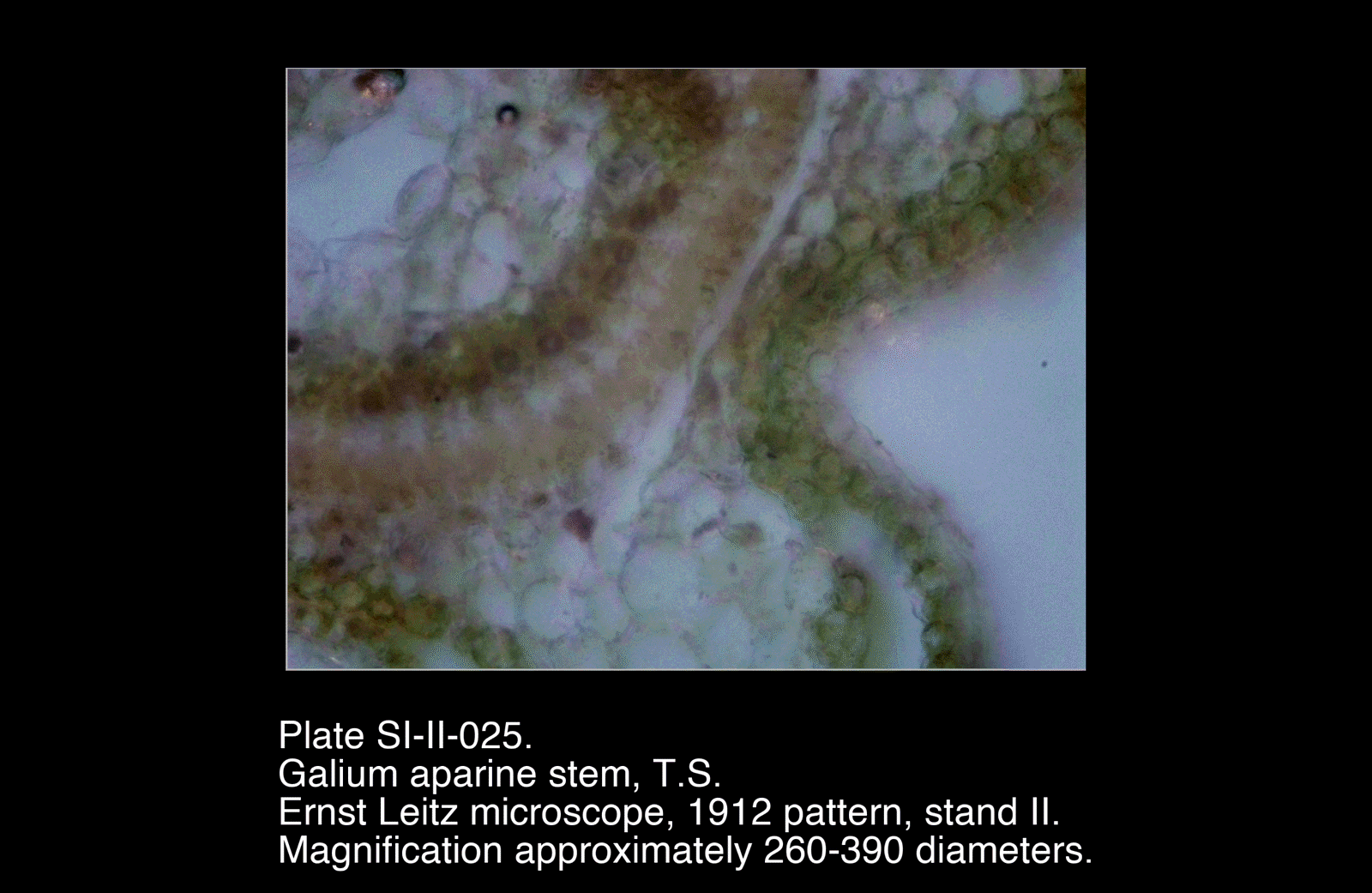
- Outer region composed of smaller, more densely packed cells
- Interior dominated by larger, thin-walled cells
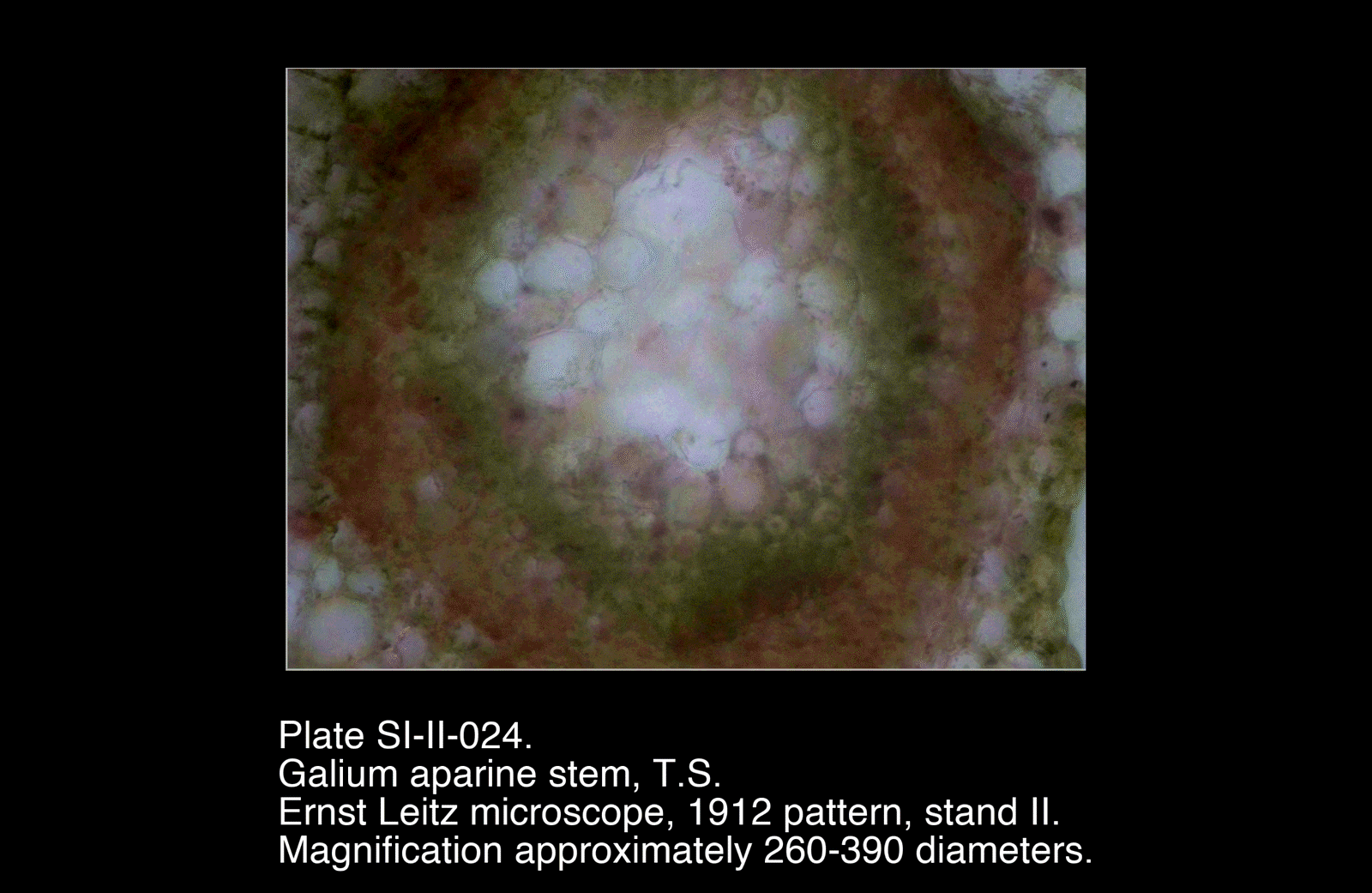
- Discrete vascular bundles arranged in a ring
- No evidence of a central woody core or heavy lignification
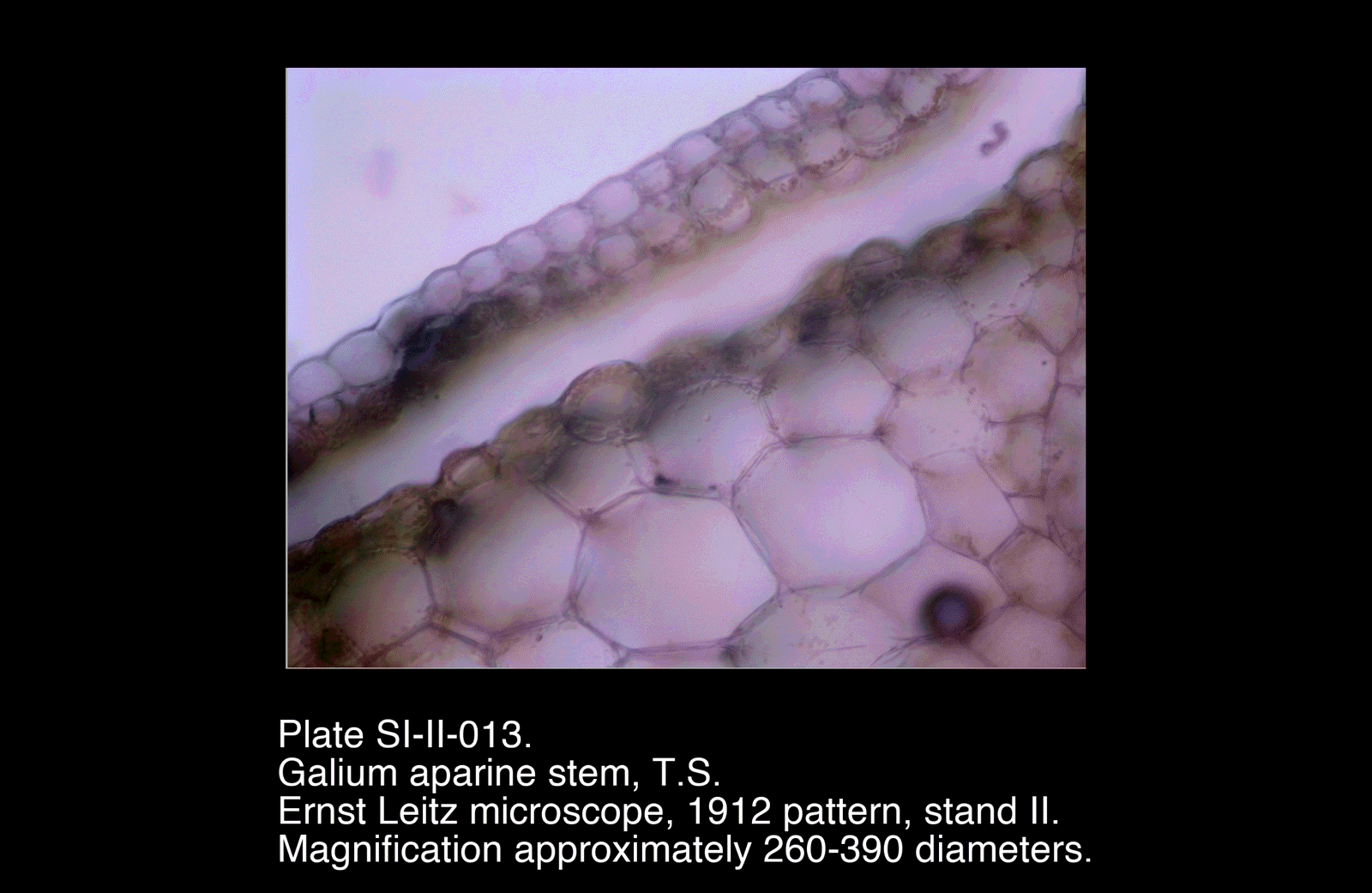
- Considerable variation in section quality between early and later attempts
Plates
Selected Plates (Final Sections)
/Galium%20aparine%20stem,%20T.S.)
/Galium%20aparine%20stem,%20T.S.)
/Galium%20aparine%20stem,%20T.S.)
Plates
Selected Plates (Final Sections)
These sections show the clearest differentiation between outer strengthening tissues, vascular bundles, and internal parenchyma.
Earlier Sections (Preliminary)
/Galium%20aparine%20stem,%20T.S.)
/Galium%20aparine%20stem,%20T.S.)
/Galium%20aparine%20stem,%20T.S.)
/Galium%20aparine%20stem,%20T.S.)
/Galium%20aparine%20stem,%20T.S.)
/Galium%20aparine%20stem,%20T.S.,%20focus%20merge)
/Galium%20aparine%20stem,%20T.S.)
/Galium%20aparine%20stem,%20T.S.)
/Galium%20aparine%20stem,%20T.S.)
Earlier Sections (Preliminary)
Earlier attempts show less regular sectioning and reduced clarity of tissue differentiation, but were useful in refining technique and confirming general structure.
Interpretation
The stem structure of Galium aparine reflects its adaptation as a non-self-supporting, scrambling plant.
Mechanical Strategy
Strength is concentrated toward the outer region of the stem, where smaller, more compact cells provide resistance to bending. This arrangement is mechanically efficient: material is placed where stress is greatest, allowing the stem to remain both light and flexible.
The angular / ridged form of the stem likely contributes additional rigidity and resistance to deformation in multiple directions, while also increasing surface contact with surrounding vegetation.
Internal Structure
The interior consists largely of parenchyma (large, thin-walled cells). This tissue is inexpensive to produce and supports rapid growth and elongation, rather than long-term structural strength.
The absence of a solid or lignified core further indicates that the plant does not rely on its stem for independent support.
Transport System
The vascular bundles, arranged in a ring, provide efficient transport of water and nutrients while maintaining flexibility. This configuration allows the stem to bend without compromising transport pathways.
Functional Interpretation
Overall, the stem can be understood as a lightweight structural system:
- Reinforced at the edges for strength
- Open and economical internally
- Flexible rather than rigid
- Dependent on external supports
This is consistent with the plant’s ecological strategy: rapid extension through surrounding vegetation rather than investment in self-supporting growth.
Remarks
- Later sections showed significant improvement in clarity, particularly in distinguishing outer strengthening tissues and vascular bundles
- Variation between sections highlights the importance of sectioning technique in interpreting structure
- This investigation provides a useful reference point for comparison with more rigid, self-supporting stems in future work