Field Notes Journal Entry
Lake Manyara National Park
A final game drive at Lake Manyara reveals a landscape changed by recent rains, with quieter wildlife encounters and a closing day that mixes moments of interest with a more challenging cultural visit
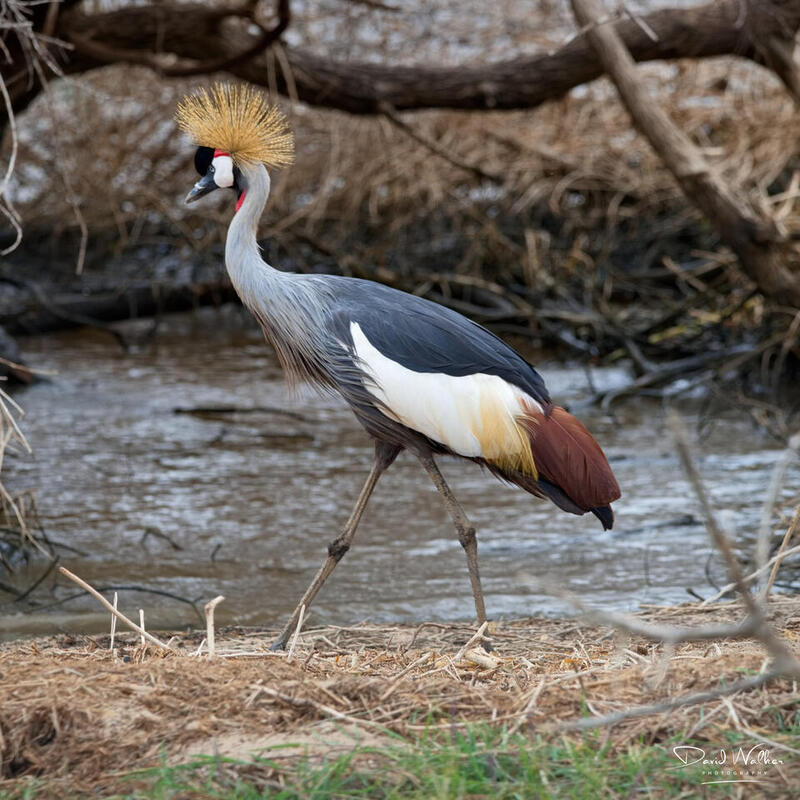
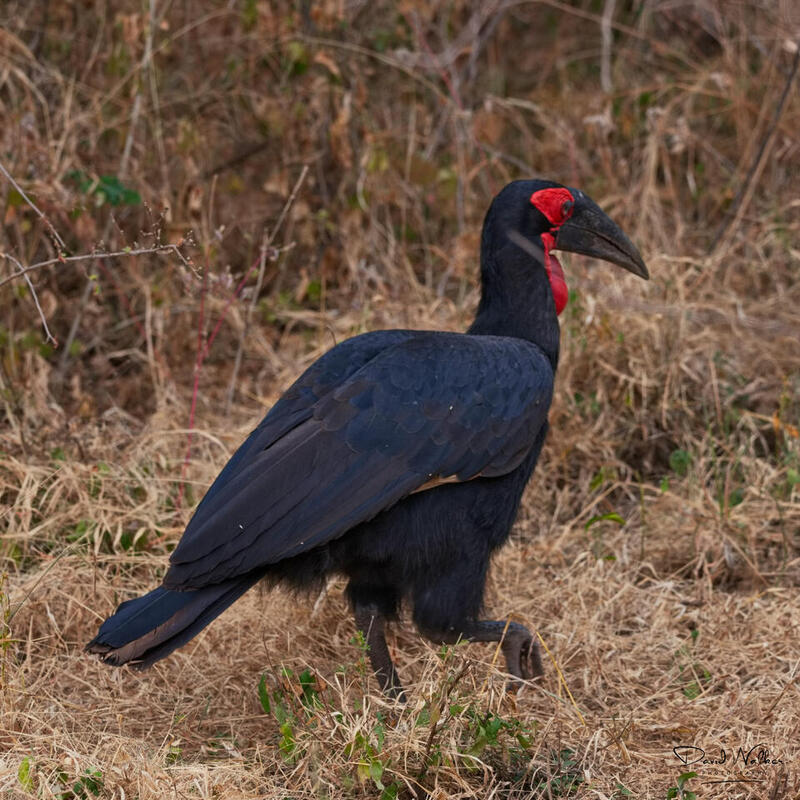
Lake Manyara
The following day started with a game drive round Lake Manara. The preceding two years had seen excessive rainfall compared to more normal years and this had caused the lake to expand and engulf some of the forested areas and plains that formerly formed the lake shore.
The reduction in available land had seen a reduction in the herd of antelope, zebra and wildebeest normally found there, that had moved on due to their habitat loss.
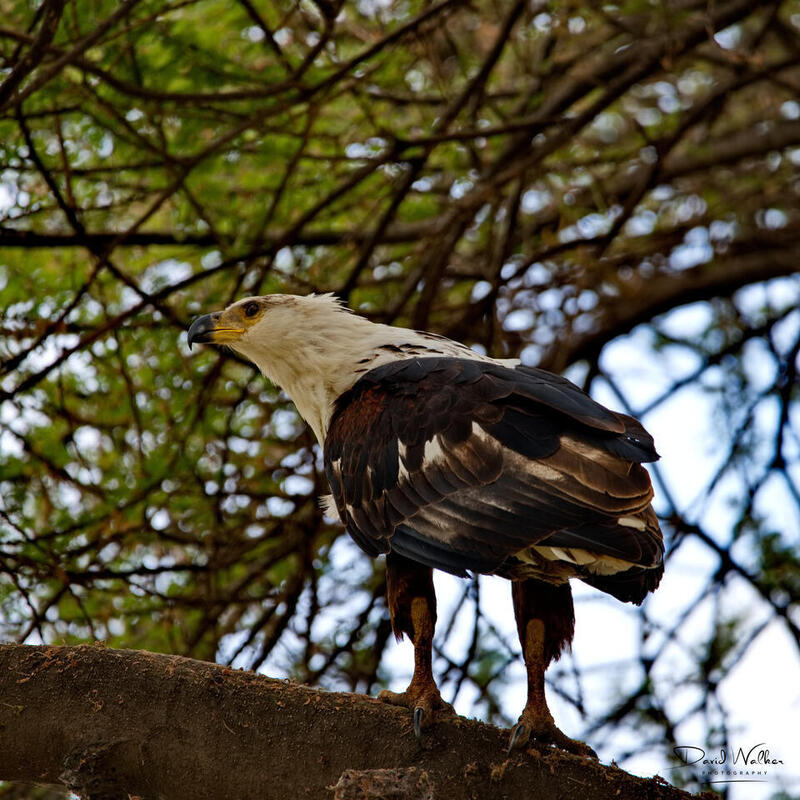
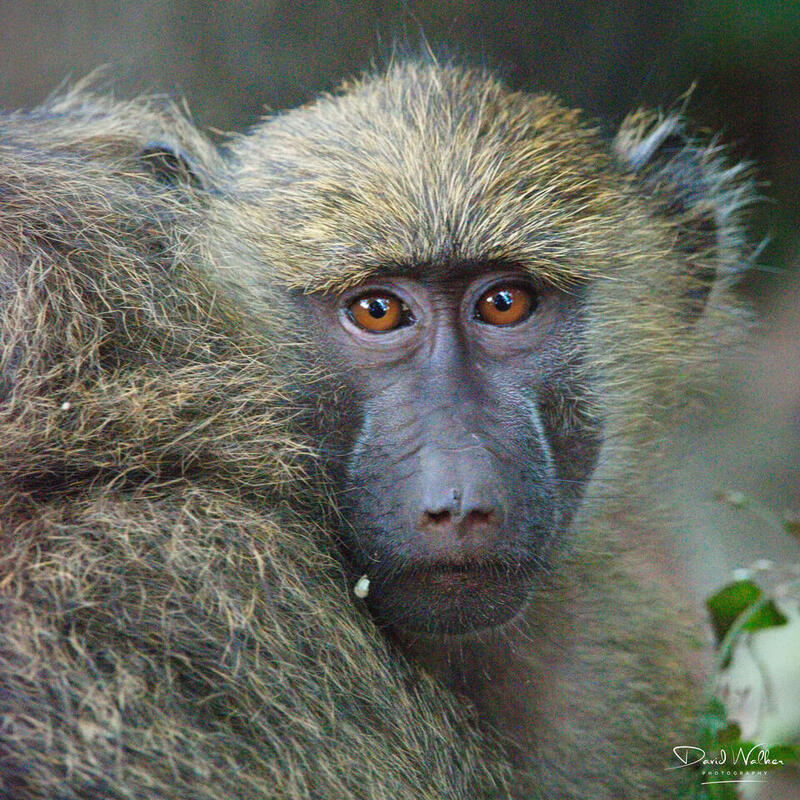
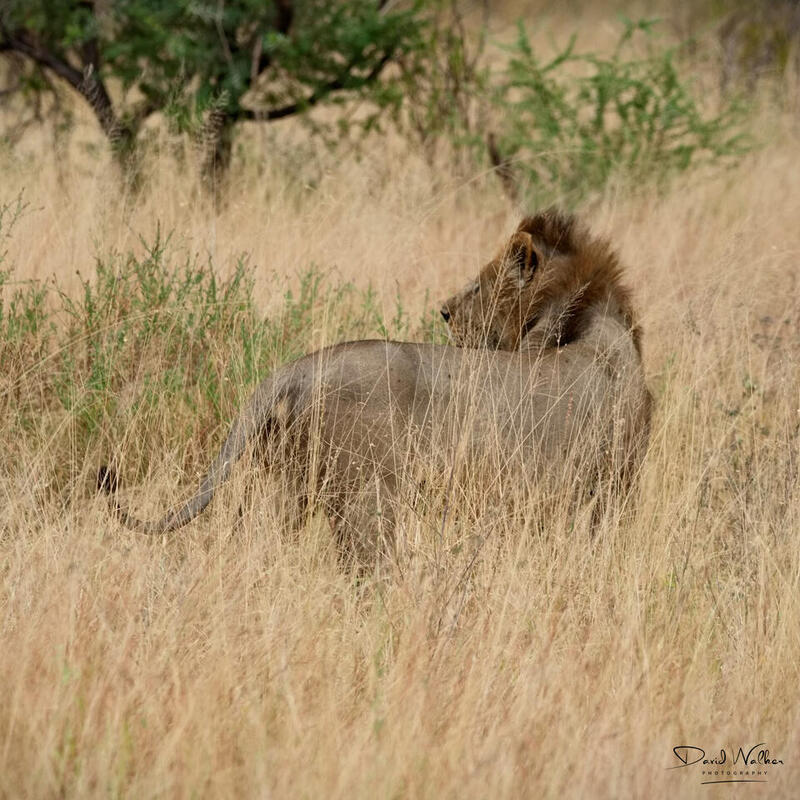
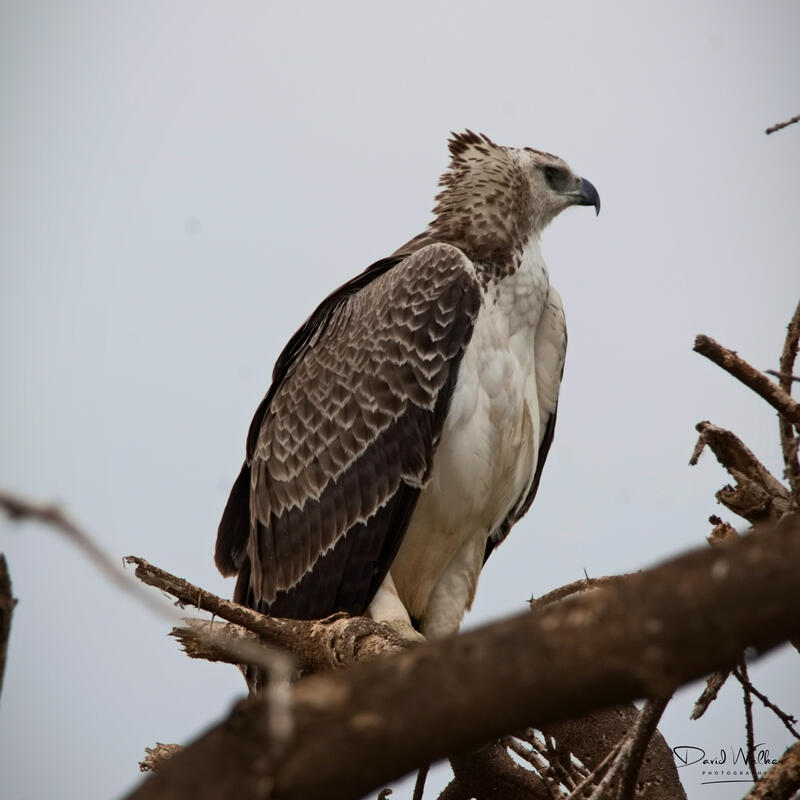
Even in this somewhat degraded state, Manyara was still beautiful and, though we missed out on the tree-climbing lions for which it’s famous, we were lucky enough to see an adult male lion striding majestically across some grassland and to have a magical encounter with an African Fish Eagle that repeatedly swept low over our position, startling the vervet monkeys we were watching, with their black faces and blue Jingle Bells!
Manyara wasn’t as rich in wildlife as, say, Tarangire, but the wildlife was still there, as we encountered it, and the park, being at altitude like Arusha, was green and lush. There’s hope for it to recover if there’s a return to more normal levels of rainfall for the next few years.
Mto wa Mbu
After a picnic lunch, we had our third cultural encounter. After our experiences with the Datoga and the Hadzabe tribes I had high expectations but, sadly, in this instance the visit simply got on my nerves! It was a visit to Mto Wa Mbu, “Mosquito Village”, and had the following agenda:
- A walk around the banana plantation owned by the village
- Visit a villager’s house
- Visit some tribal arts to see their carvings
- A visit to an artisan community that worked in the village
- A visit to another tribe living in the village that make the local beer with an opportunity to taste it
- A visit to the fruit and vegetable market
- A visit to The Rice Fields
Reflections
In fairness, the visit to the banana plantation, where we learned how different types of banana are planted, irrigated, grown and harvested to eat as fruit, cook with and make beer was very interesting.
Similarly, learning how the local beer is made and, more importantly, used as a means to bring people together with a shared cup, especially to resolve conflicts, was also very interesting. As for the beer itself, it was utterly revolting to my taste but at least I’ve tried it!
Visiting the rice fields was of interest if only because we’d passed so many by the roadside.
In spite of this, the afternoon irritated the hell out of me to the extent that I had to really focus in order to concentrate on the culture aspects and learn something. Why?
Most importantly, we were tired after 11 days on Safari and would much have preferred to relax at the lodge, enjoying the luxury of our chalet, than be dragged, hot and in need of a shower, round a “cultural” visit we didn’t ask for and didn’t want
Further, the “cultural” aspects of the visit were a thinly veiled excuse for attempts to sell us stuff we didn’t want - for instance, we spent at most five minutes observing the woodcarver and having his craft explained before we were shown to the stalls where carvings for sale were laid out, while at the artists’ commune they dispensed with the niceties altogether and went straight “here are some paintings - want to buy any?”.
Our guide for the afternoon didn’t help matters as he persisted in questioning us “do you know this plant?” And “do you know this tree?” and then expressing mock surprise, as though we were stupid, when we said not. This got very, very tiresome and in the end I had to bite my tongue to avoid telling him to stop asking us, cut to the chase and just bloody well tell us!
Evening
It was with a great sense of relief that we headed back to Kilimamoja Lodge to relax and enjoy our last luxurious dinner before heading to Zanzibar in the morning.
Field Notes
- Lake Manyara Hydrology - lake levels fluctuate with rainfall; recent high levels reduced available shoreline habitat for grazing species
- Habitat Shift - flooding of plains and forest margins can temporarily reduce densities of large herbivores
- Lion (Panthera leo) - adult male observed moving across open grassland; tree-climbing behaviour not observed on this visit
- African Fish Eagle (Haliaeetus vocifer) - repeated low passes over water; characteristic call and hunting behaviour
- Vervet Monkey - small primate observed in woodland; noted for expressive facial markings and social behaviour
- Mto wa Mbu - multi-ethnic village near Lake Manyara; known for agriculture, craft production, and cultural tourism
- Banana Cultivation - multiple varieties grown for fruit, cooking, and brewing; central to local agriculture
- Local Beer - traditionally brewed using banana or grain; often consumed communally as part of social practices