Field Notes Journal Entry
The Ngorogngoro Crater
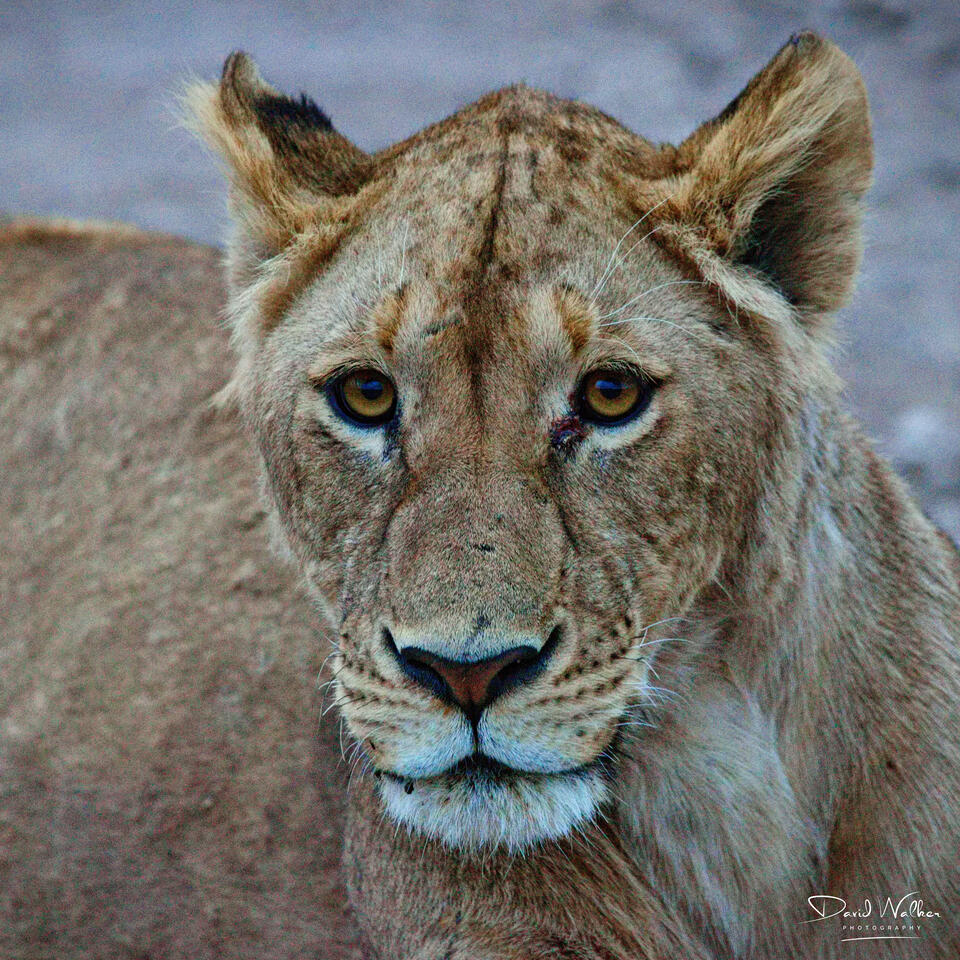
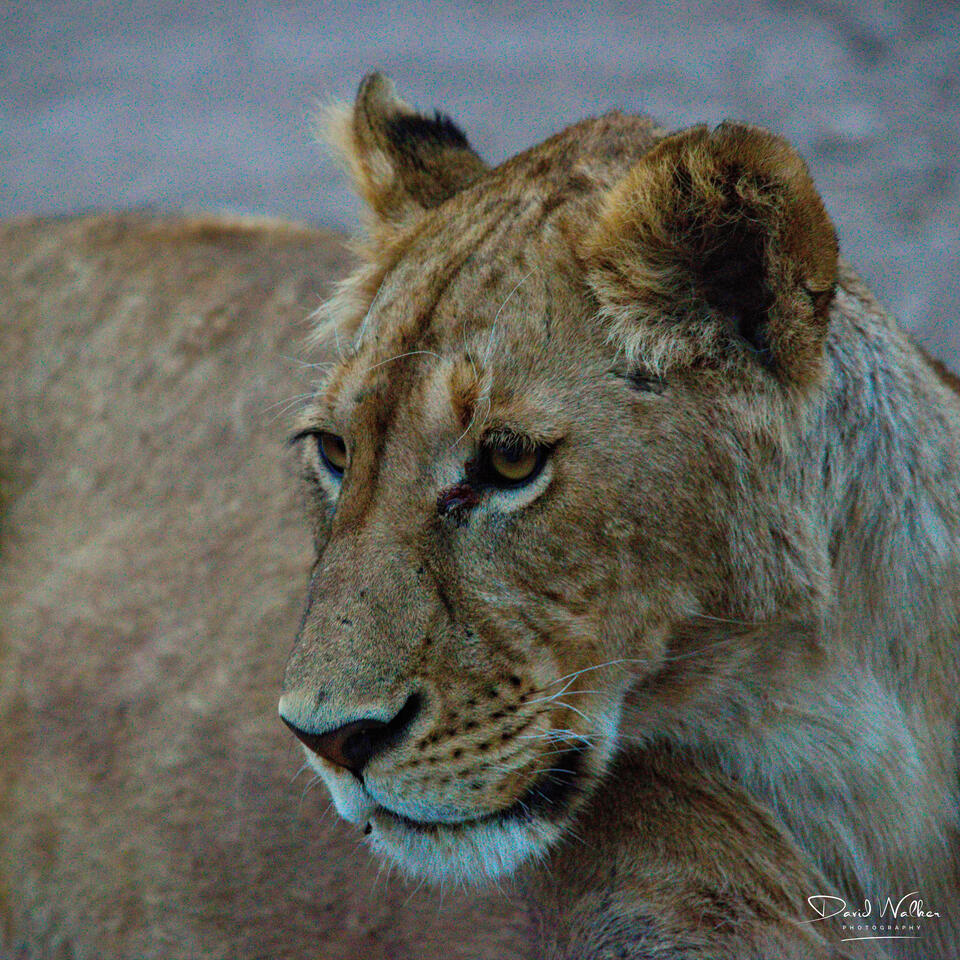
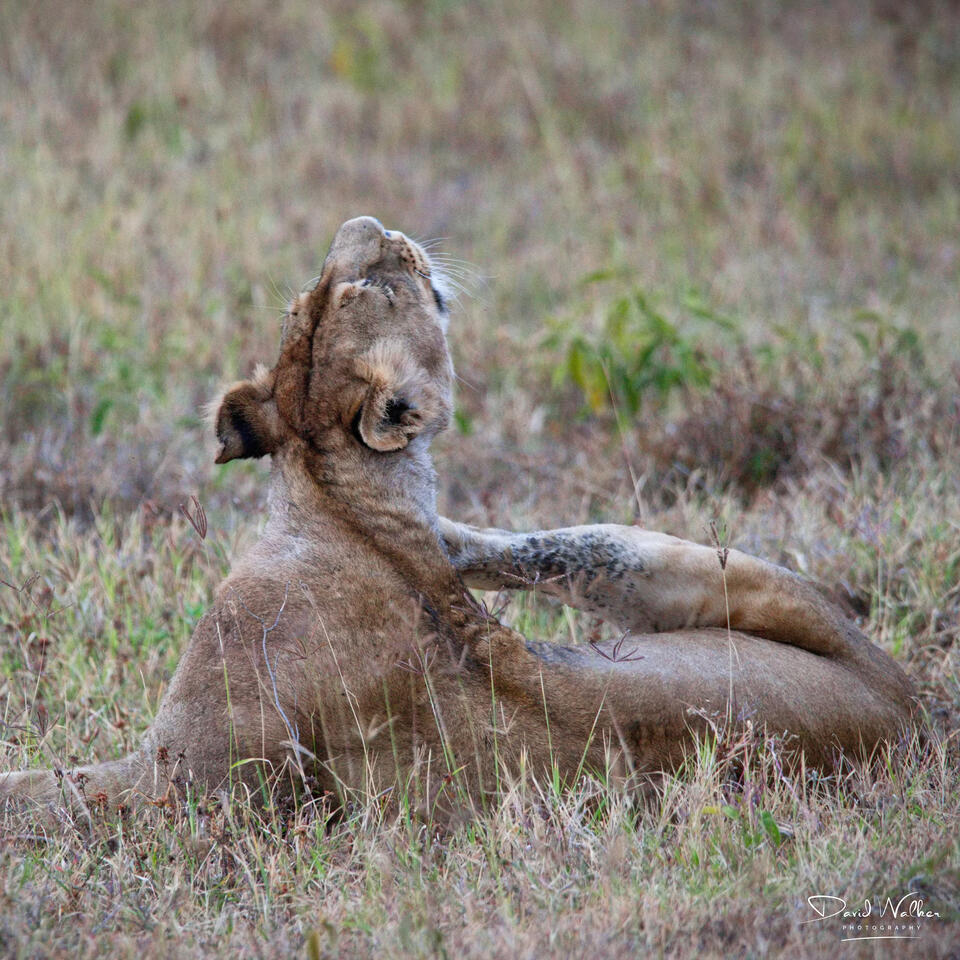
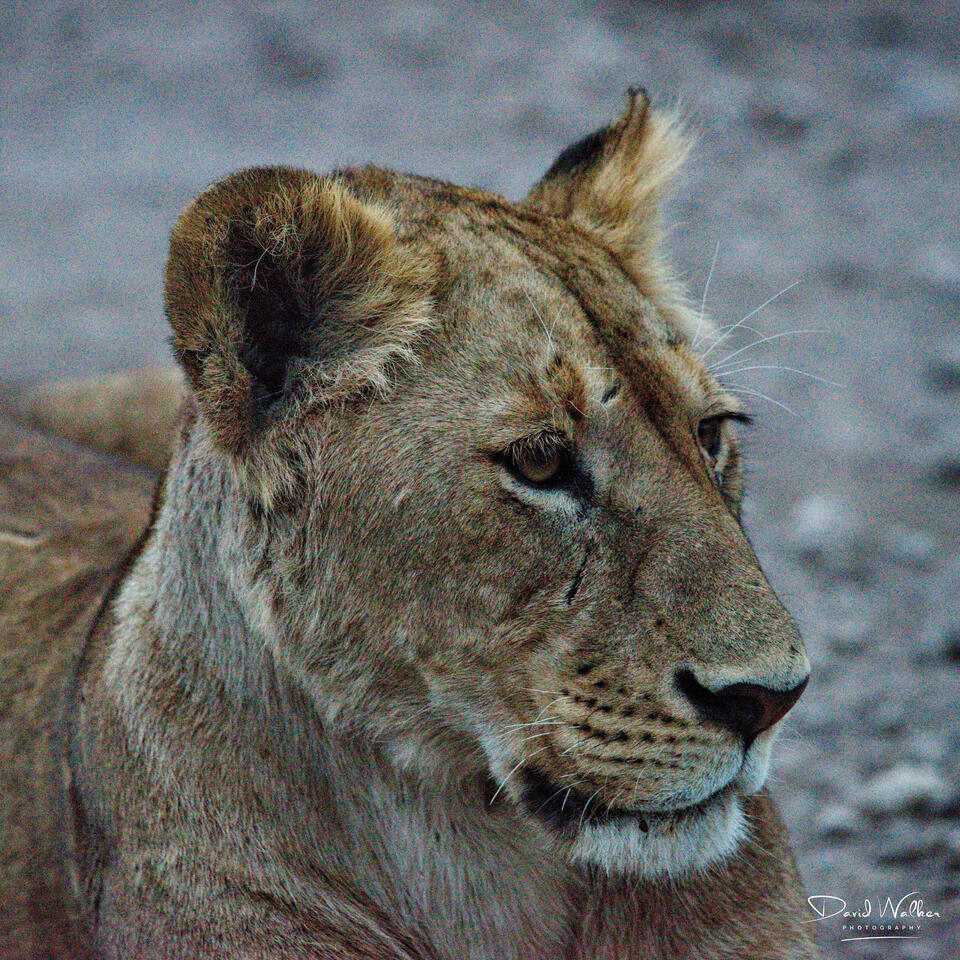
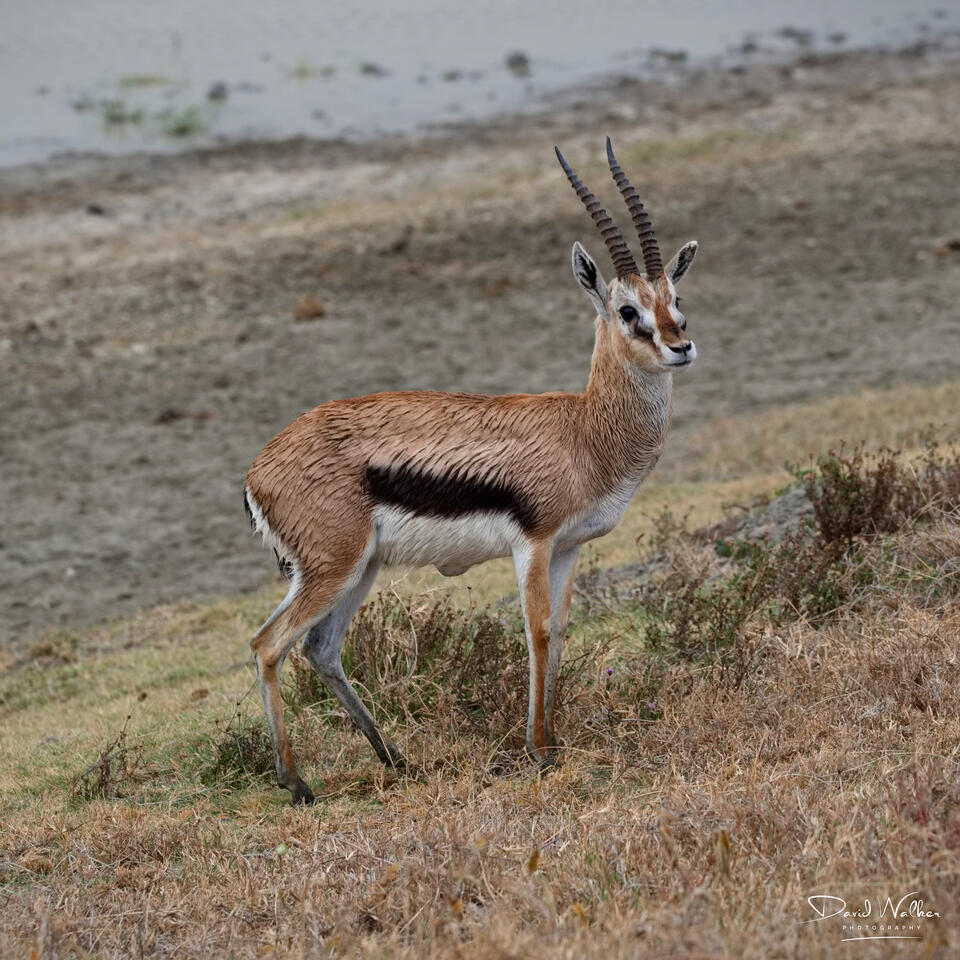
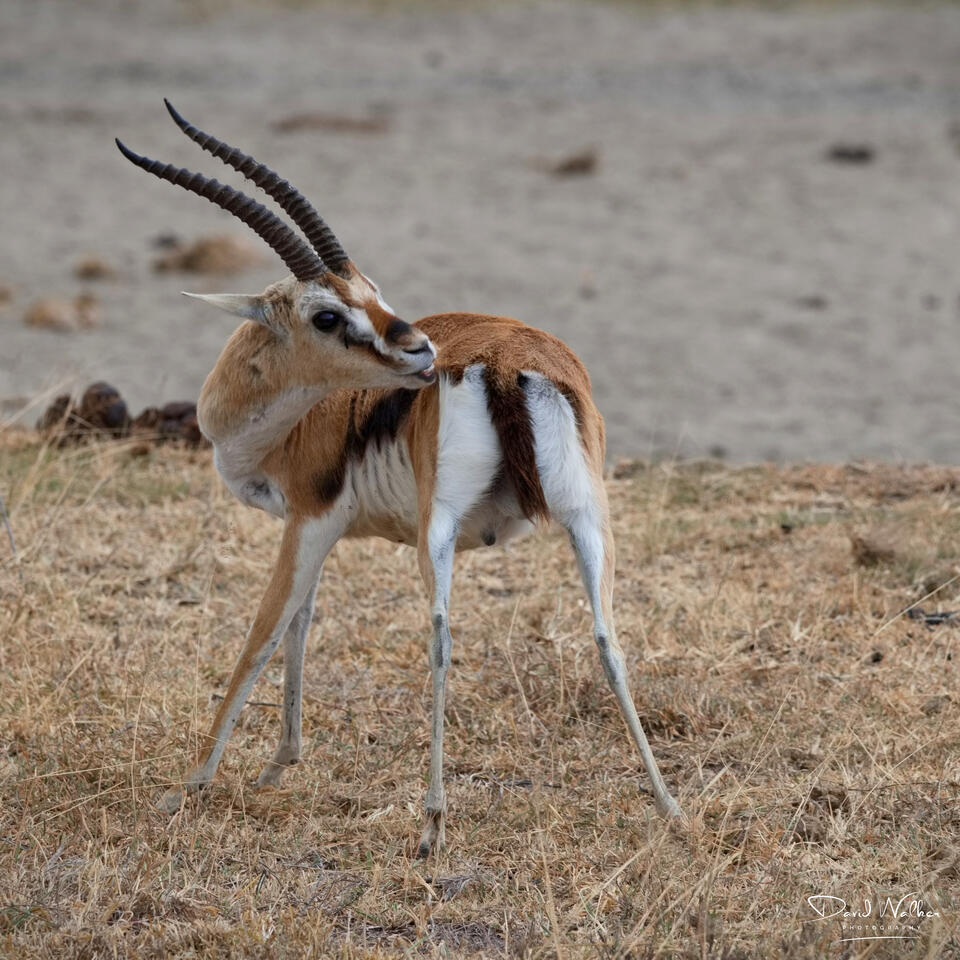
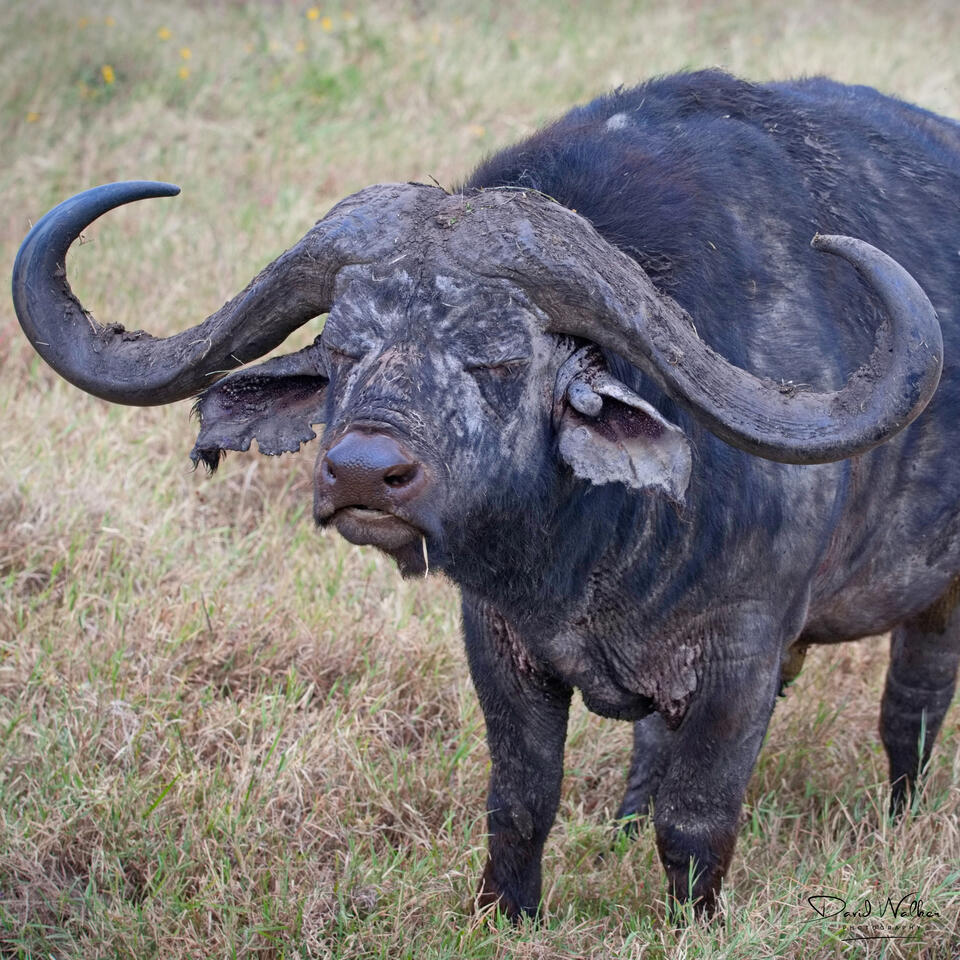
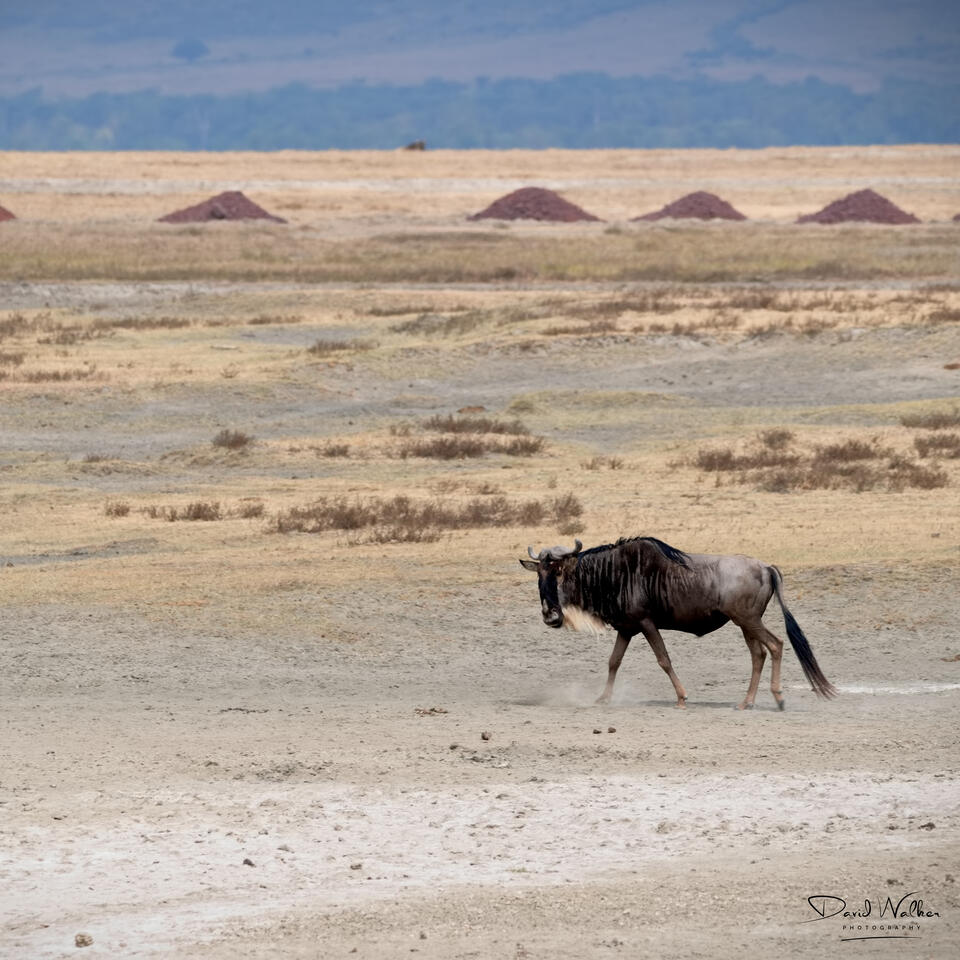
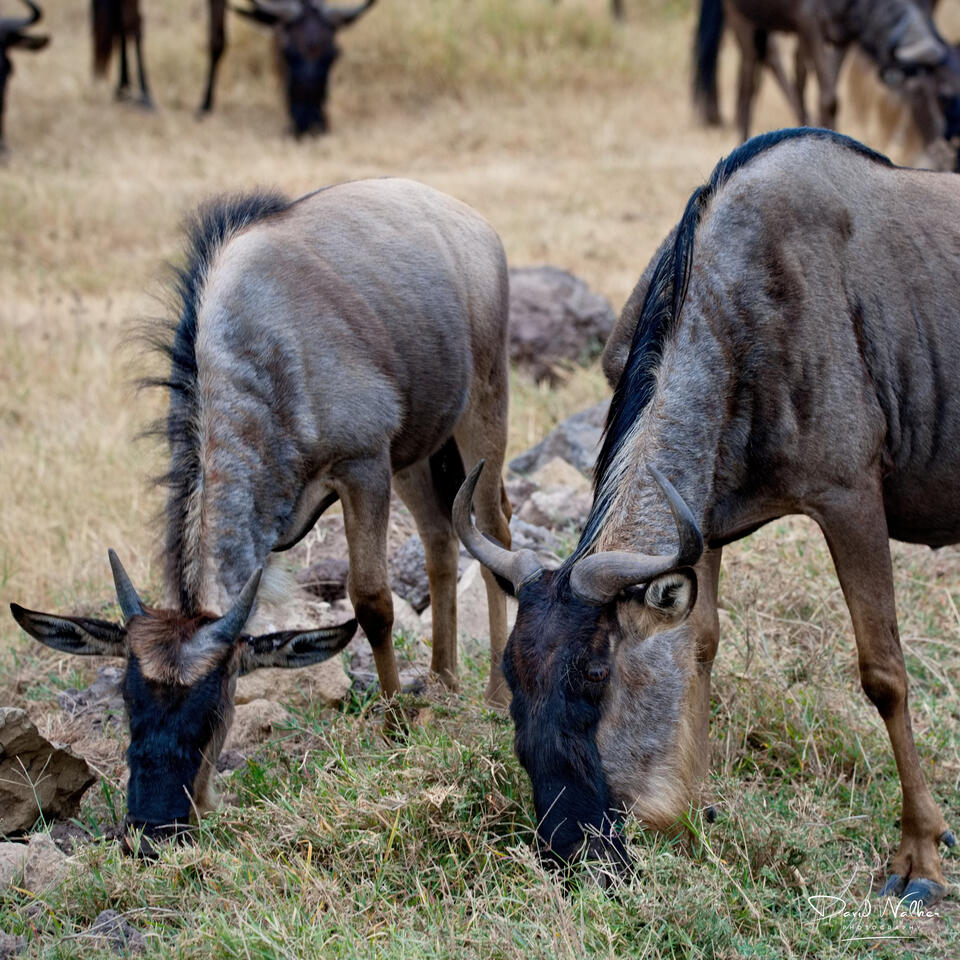
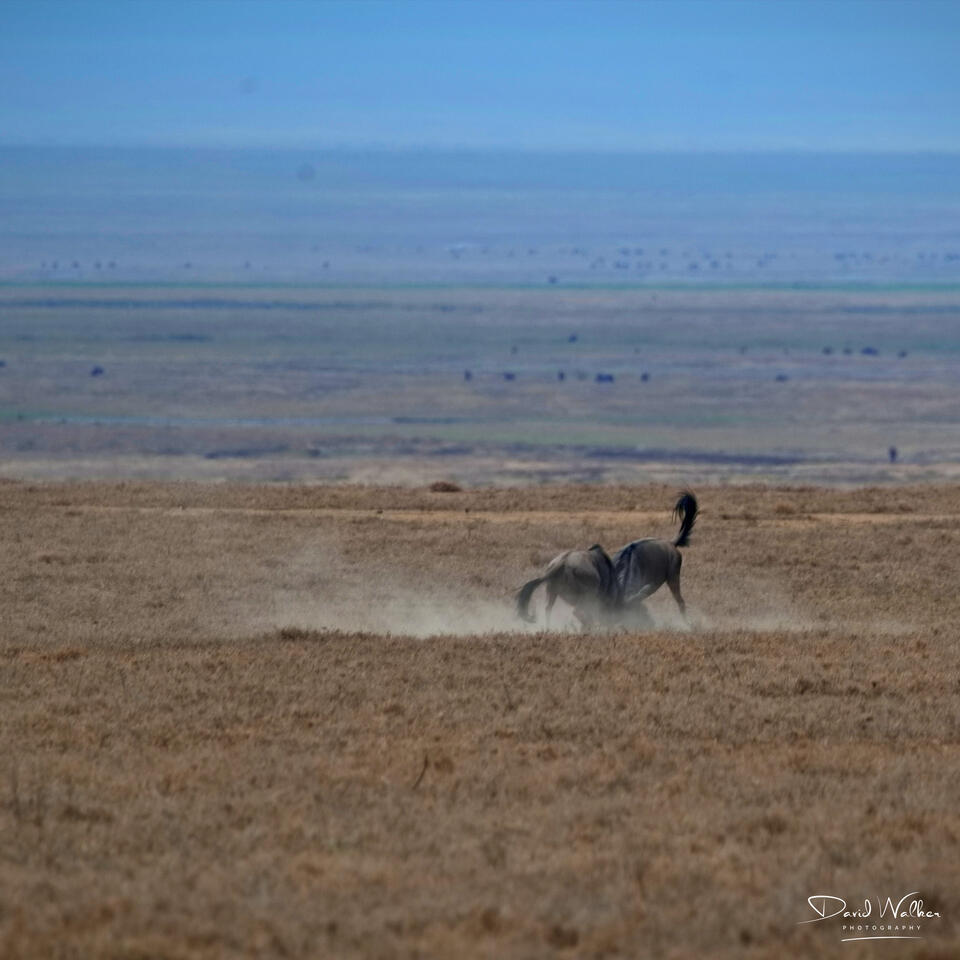
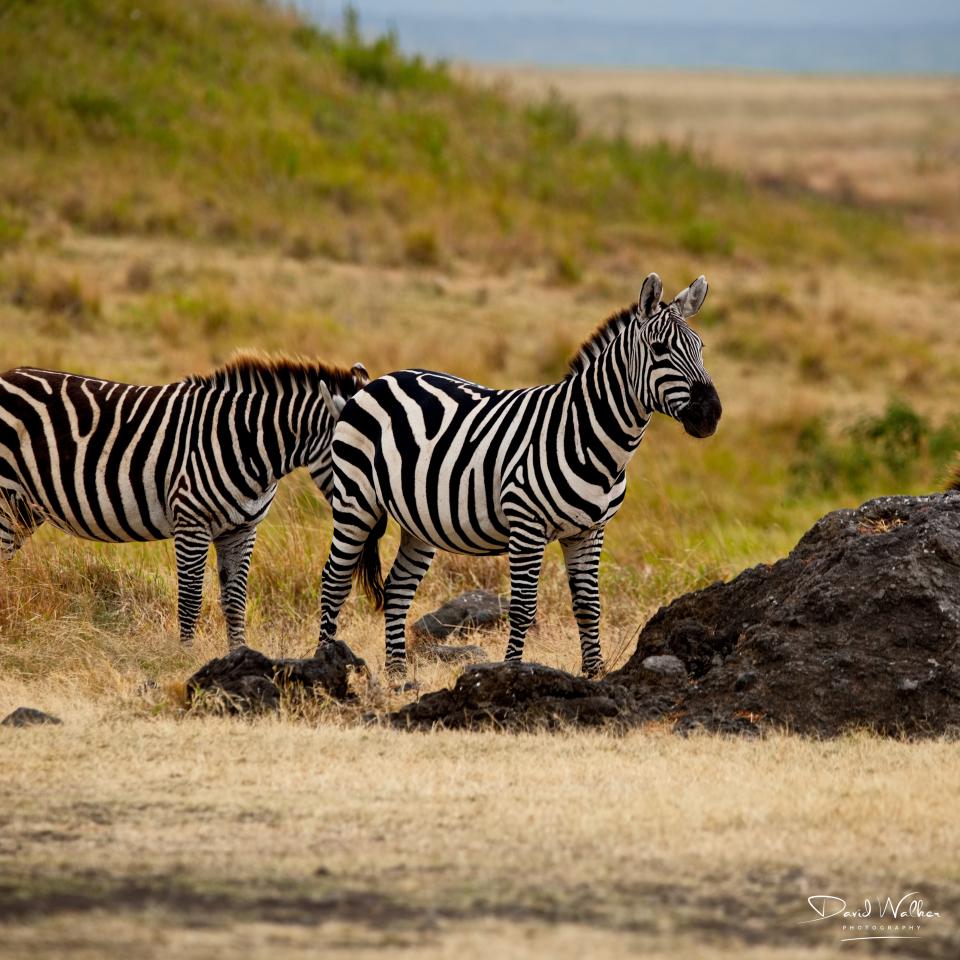
Unlike the other National Parks we’d visited so far, there are no residences down in the Ngorongoro Crater itself so our day was to begin with a short drive to the entrance to the crater and a descent down to the caldera floor.
The gates are open between 6:00 and 16:00 each day and the previous evening Philip had asked us what time we wanted to head out the following day. As we were there to see the wildlife and he was the expert, as our guide and a former park ranger, we asked his advice and that was, in essence, the earlier the better to catch the early morning wildlife.
So, we were up in time to begin our descent into the crater at 06:00.
Our aim throughout our safari was to observe whatever wildlife we were lucky enough to encounter so keeping a tally wasn’t the point, but by this time we had been blessed to see all-but-one of the “big five”, leaving only the black rhino unaccounted for, so it was impossible not to hope, at least a little, that we might see one:
| Name | Scientific Name | Seen |
|---|---|---|
| Lion | Panthera leo | ✔ |
| Leopard | Panthera pardus | ✔ |
| African Buffalo | Syncerus caffer | ✔ |
| African Bush Elephant | Loxodonta africana | ✔ |
| Black Rhinoceros | Diceros bicornis | ❌ |
Our hope was tinged with realism, though, as the crater covers some 264 square kilometres and at the time there were only 50 black rhino in it!
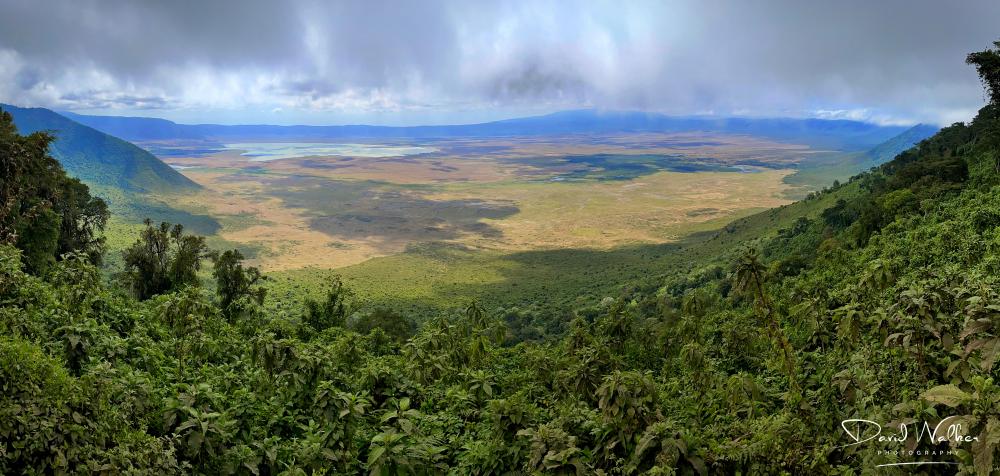
It was cold as we began our 600 metre descent and we were to experience the full gamut of warmer weather, chillier weather and drizzle on the way down! The road was somewhat precipitous so, as Ruth has a fear of heights, it was quite advantageous that it was still dark, the early dawn only just beginning to break as we arrived at the crater floor, the drizzle having given way to better weather by this point.
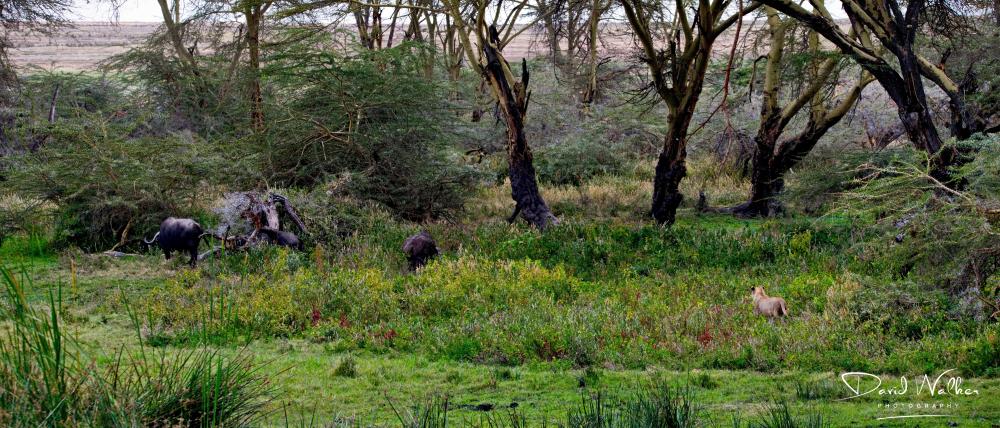
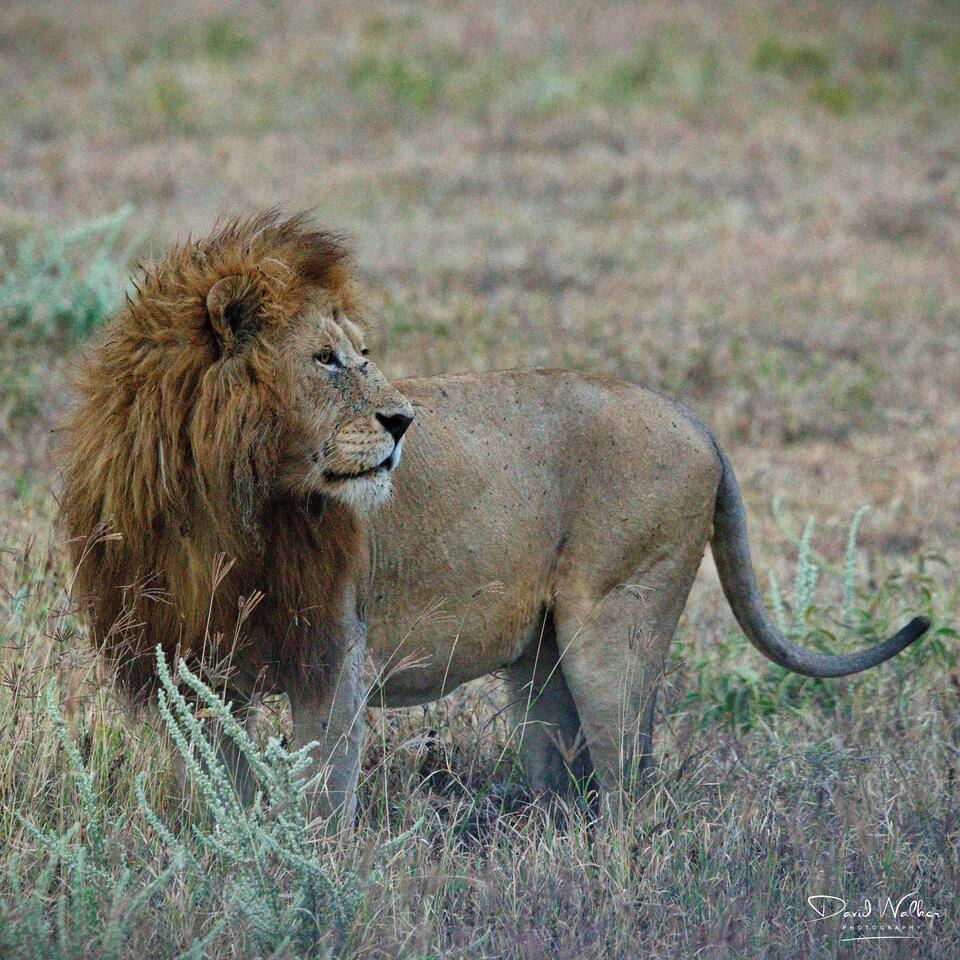
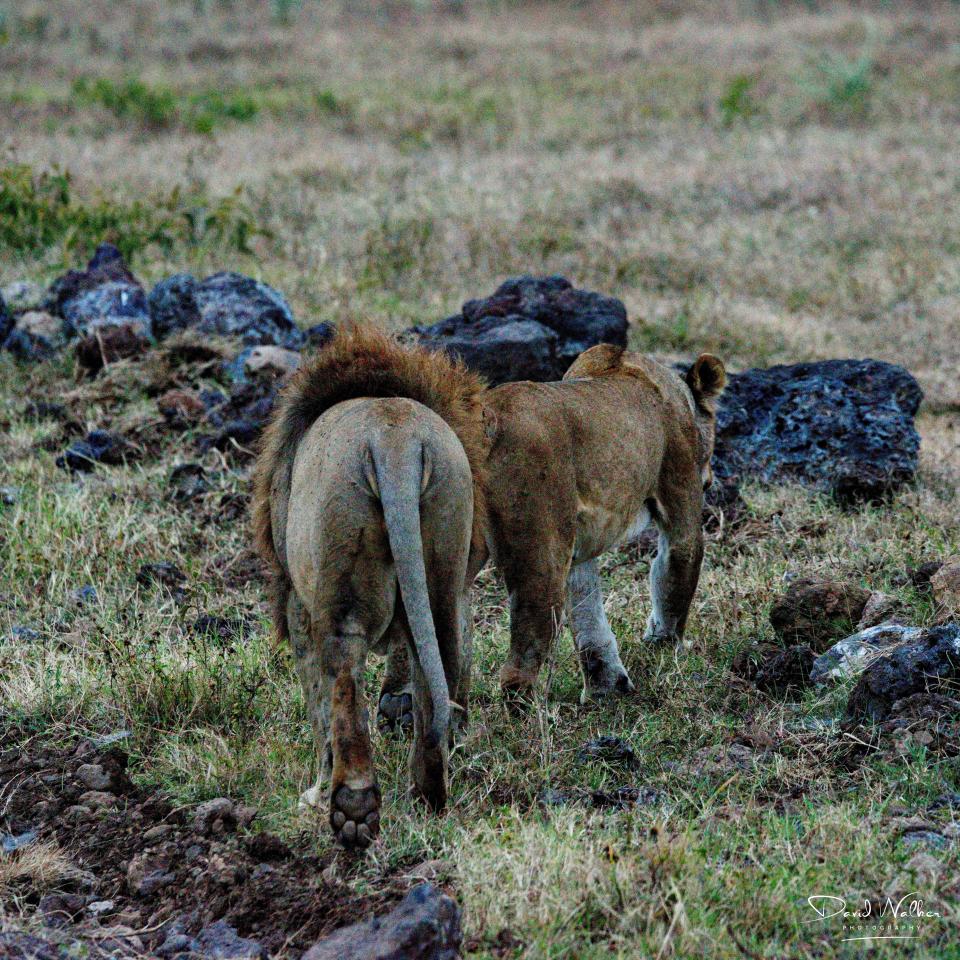
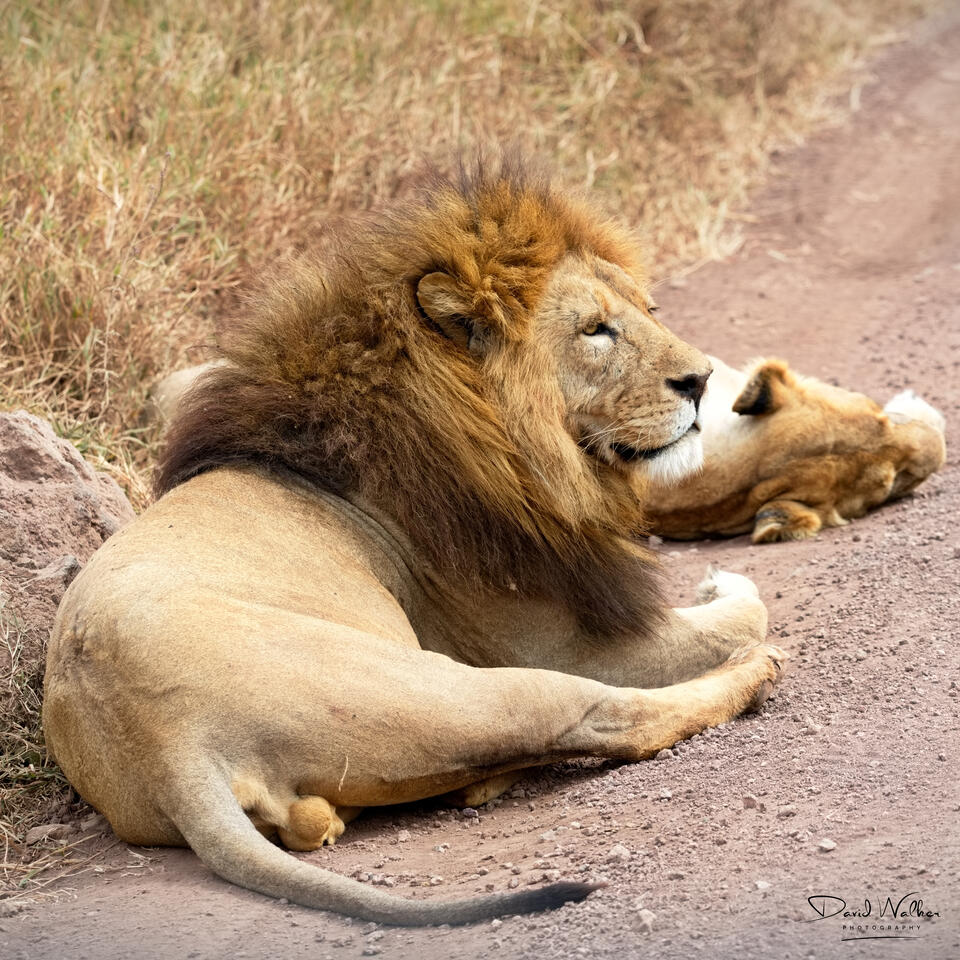
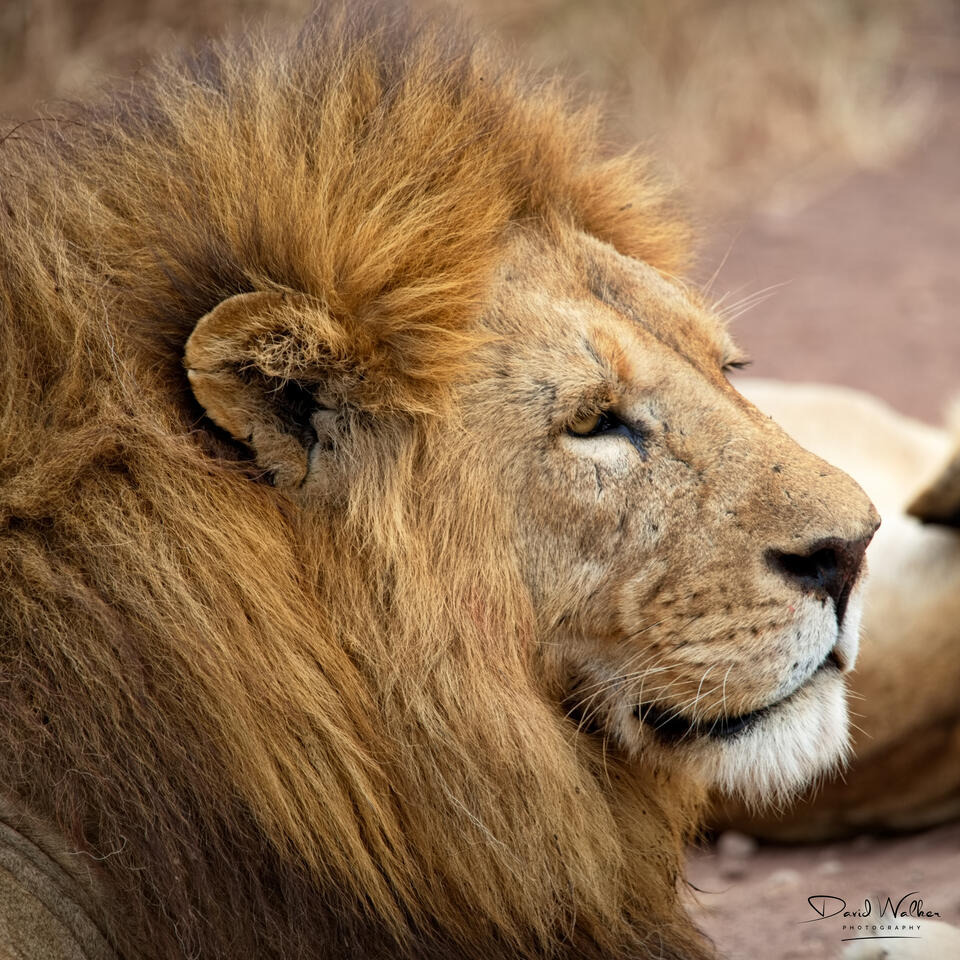
Almost immediately, we had our first encounter with a pair of lions. The lioness was, perhaps, the most beautiful animal I’d seen to date. There was just something about the way she lay serenely observing her surroundings, although she did then break the spell a little by “shouldering arms” to have a good scratch, a gesture any cat-owner will recognise and appreciate!
Taking her time, she got up and gradually strolled away from us, the lion following doggedly behind, and Philip joked that he thought they were probably “on honeymoon”!
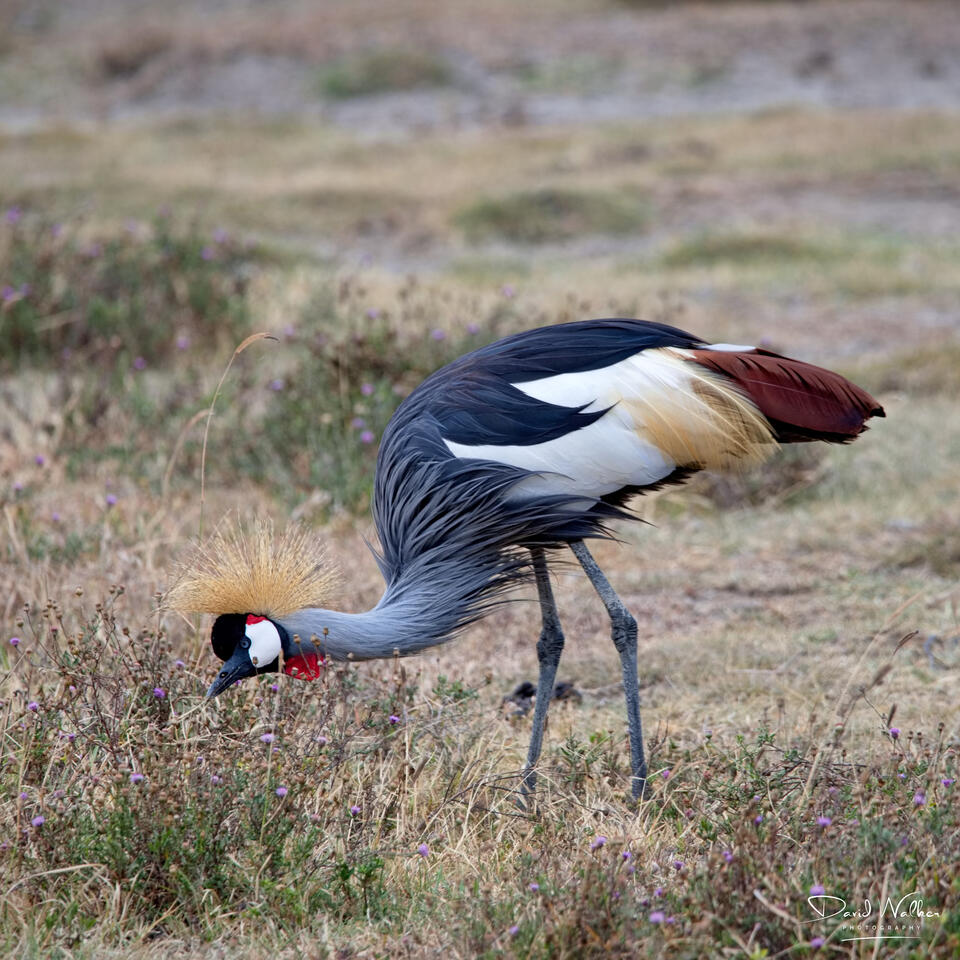
It was in the crater that we had our first sighting of the Grey Crowned Crane (Balearica regulorum), the national bird of Uganda. We watched as it fed in the short grass, its ornate crown and sharply defined plumage standing out against the rather more muted tones of the surrounding ground.