Field Notes Journal Entry
Arrival at Lake Eyasi and Kisima Ngeda Lodge
Leaving Tarangire behind, the journey west leads to Lake Eyasi, where a quieter landscape, a characterful lodge, and a change of pace mark the next stage of the safari
We left Treetops after breakfast on the final game drive out of Tarangire National Park, seeing some of the larger animals we’d seen the day before - wildebeest, zebra, impala and so.
It was an overcast and cool morning, with light rain early on, and the big cats were nowhere to be seen.
The Road to Lake Eyasi
Heading west from Tarangire, we stopped to refuel at a garage that was organised (possibly!) chaos, where a couple of guys in Rasta hats tried very hard to sell us some tat that we didn’t want!
From there, it was onwards to Lake Eyasi over a very dusty, terracotta-coloured road that gradually gave way to an uneven, rocky, stone-coloured surface.
Kisima Ngeda
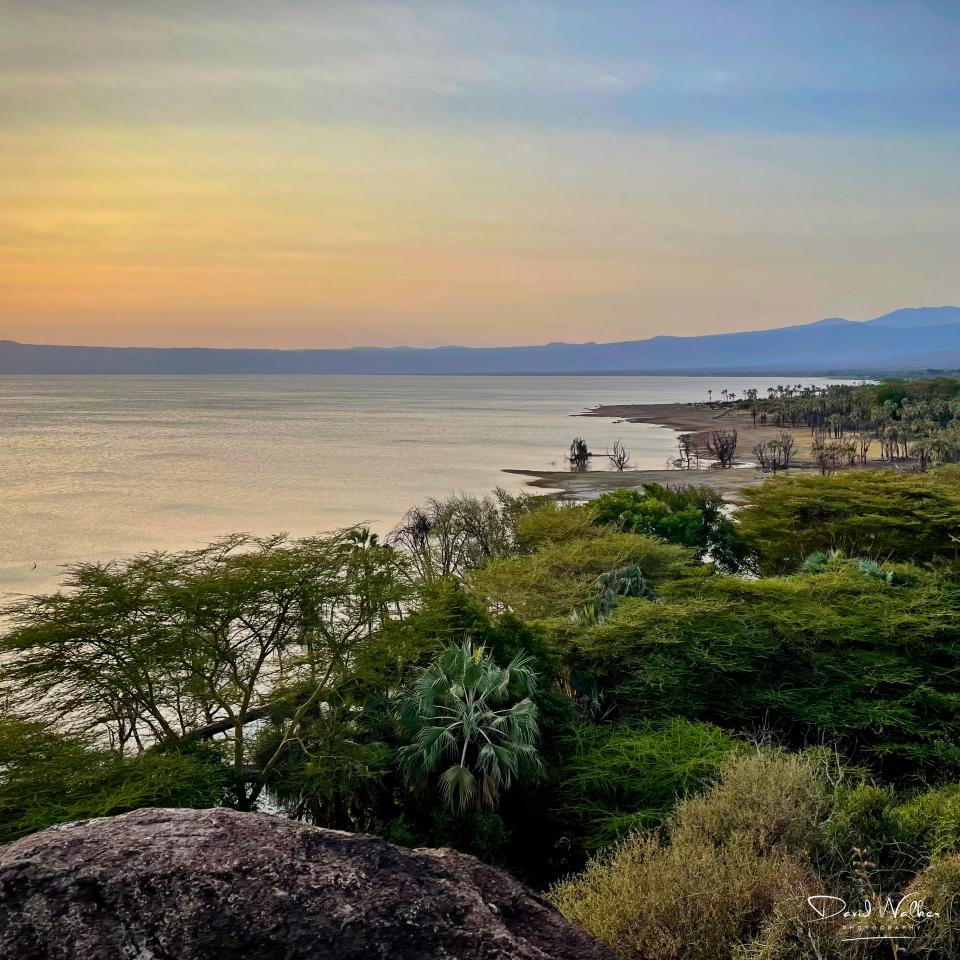
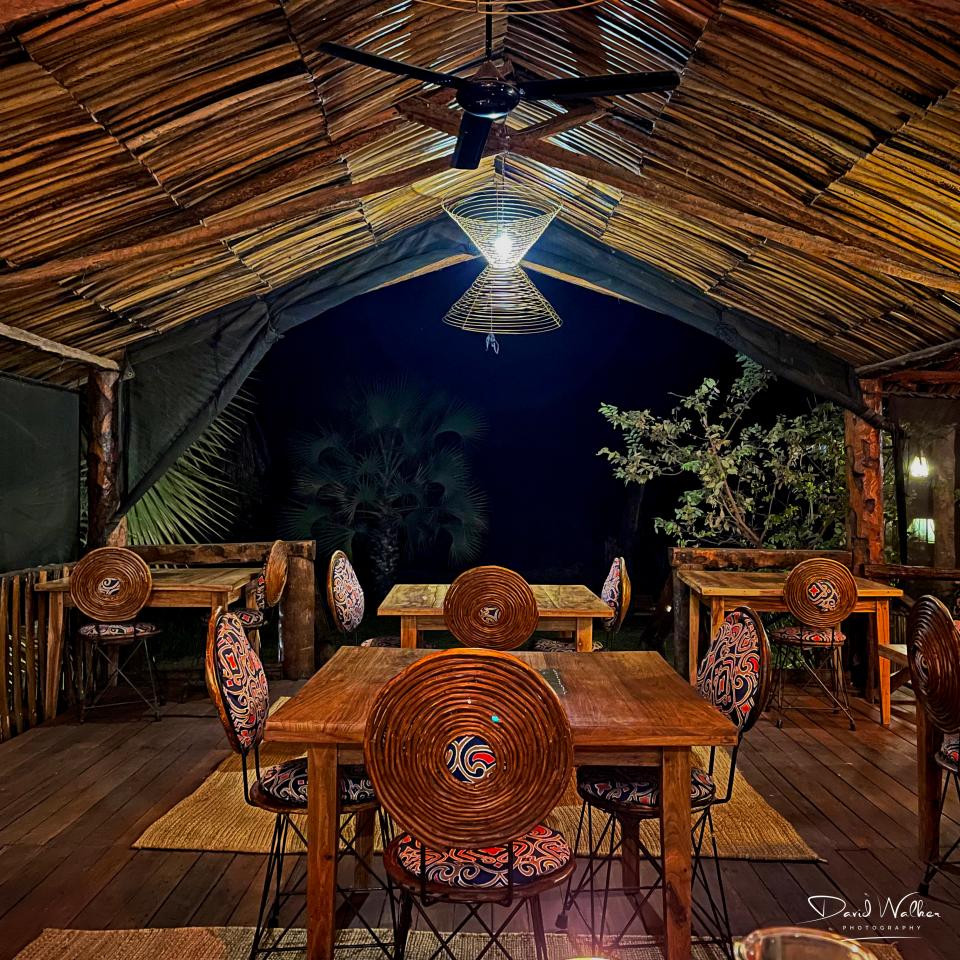
Kisima Ngeda tented camp nestles amongst a palm and acacia forest on the shore of Lake Eyasi, at the foot of a high escarpment overlooking the lake. We arrived in the early afternoon, in time for a late lunch, and were greeted by the owner, Mariana, a lovely Argentinian woman who was originally born and brought up on a cattle ranch on the Pampas, the lowland South American grasslands famous as the home of “gauchos” and the country’s beef herds.
Originally coming to Tanzania as a student backpacker in 1995, she met her future husband there and subsequently returned to run the camp with him, a native Tanzanian, and had been doing so for the past 25 years.
The Camp
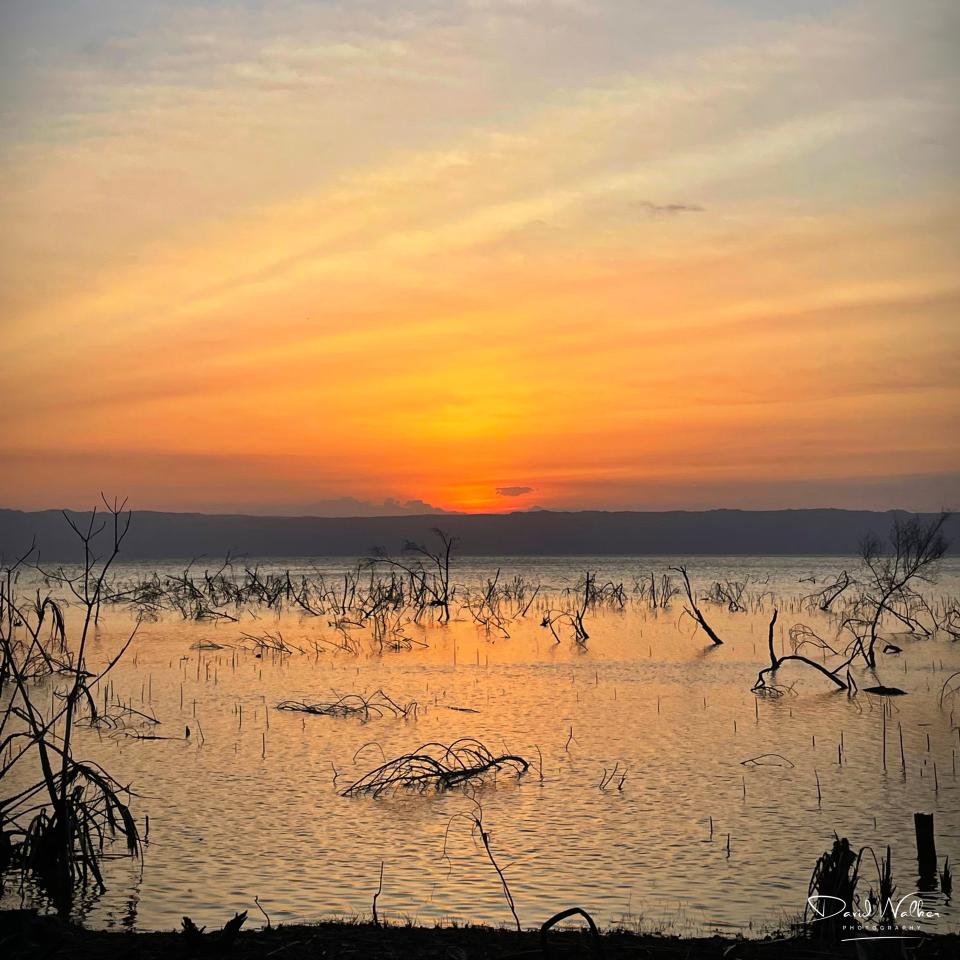
The camp has beautiful views over the 80 kilometre long Lake Eyasi, that remains unspoiled in spite of a couple of years of very heavy rain that have seen the levels rise to engulf some of the land at the former Lake edge. The tops of dead trees poking up above the surface of the lake bear witness to the destruction.
Mariana said they’d seen hippos grazing not far from the camp but we weren’t fortunate enough to see them, though there were lots of wading birds and herons.
Lunch was a set of lovely salads accompanying some lamb koftas and, while simpler fare than the meals at Treetops, it was so much better - just delicious.
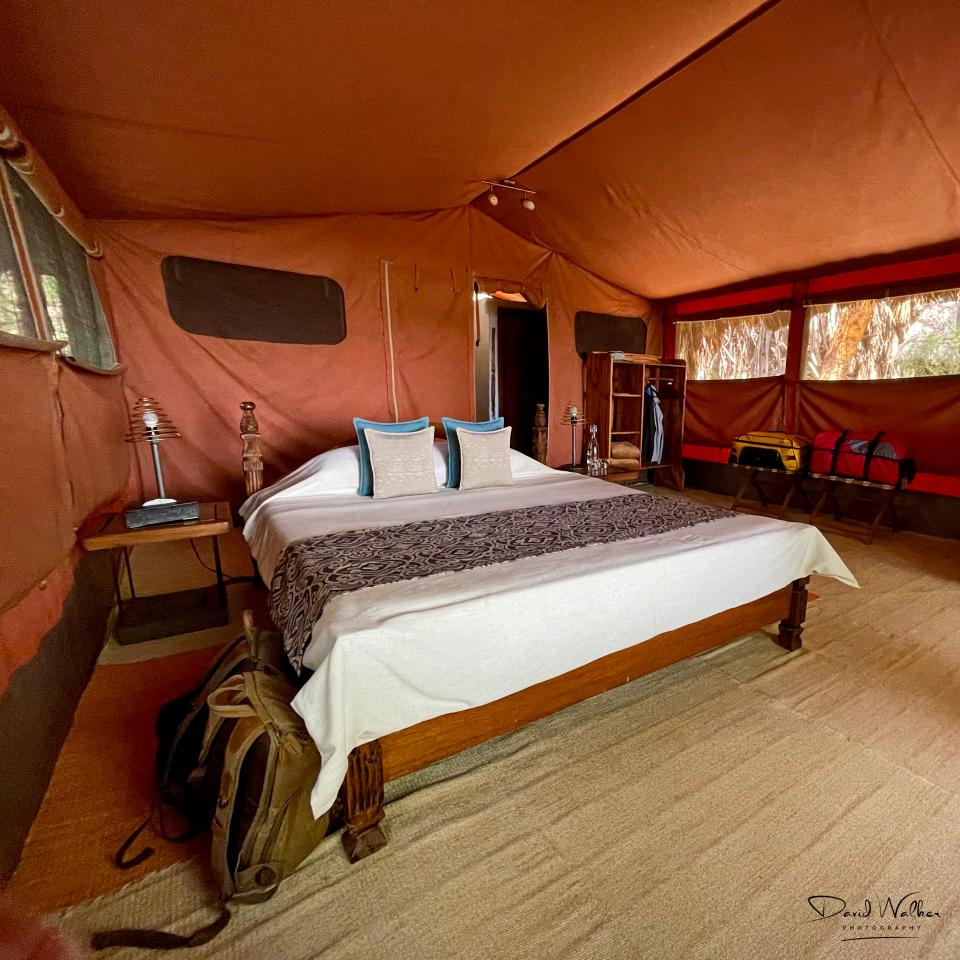
Our tented room was very, very reminiscent of the accommodation at Elephant Hills in Kao Sok, Thailand. A brick-built bathroom was sited behind and abutted a tented main living area with a second roof covering the whole, made of palm, bamboo or similar. Most likely palm, given the make-up of the surrounding forest.
This suited us down to the ground and, again, it was simpler and in many ways more elegant and comfortable than the room at Treetops, notwithstanding the surface sophistication of the latter.
It also has the singular advantage that we didn’t get motion sickness, an unfortunate side effect of the suspended floors at Treetops!
Field Notes
- Lake Eyasi - seasonal soda lake approximately 80 km in length; fluctuating water levels influenced by rainfall; fringed by escarpment and woodland
- Kisima Ngeda Lodge - situated within palm and acacia woodland at lake edge; open, low-impact camp design integrated with surrounding landscape
- Water Level Changes - recent heavy rains have raised lake levels, submerging former shoreline; dead tree remains visible above waterline
- Wading Birds - herons and other waders present along lake edge; typical of shallow soda lake habitats
- Habitat Transition - shift from savannah (Tarangire) to lake-edge woodland and escarpment environment; corresponding change in wildlife presence and activity