Field Notes Journal Entry
Arrival at Tarangire National Park
Entering Tarangire National Park, the landscape opens into classic savannah: baobabs, elephant herds, and a first lion sighting in the evening light, before arrival at a treetop lodge in the bush
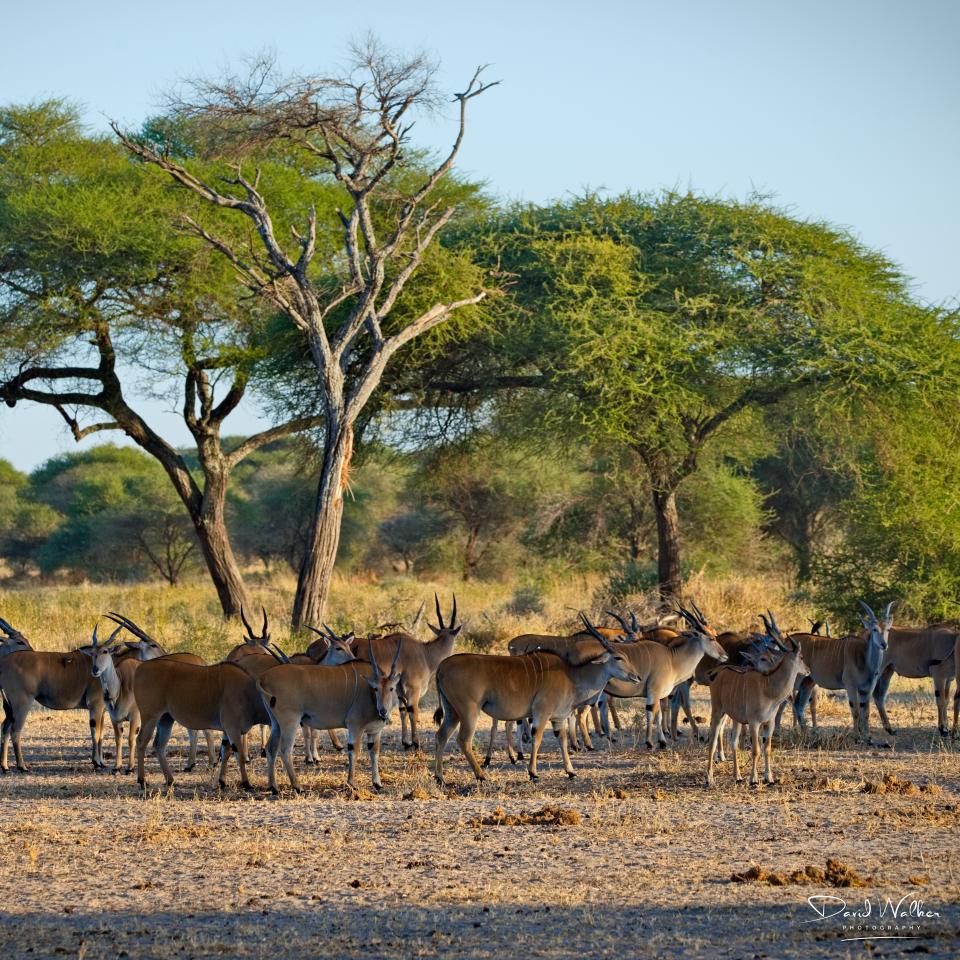
The entrance to Tarangire took us along a long drive marked by two huge baobab trees, through a landscape that is the quintessential African landscape so familiar from the wildlife programs that I’ve avidly consumed since my teens.
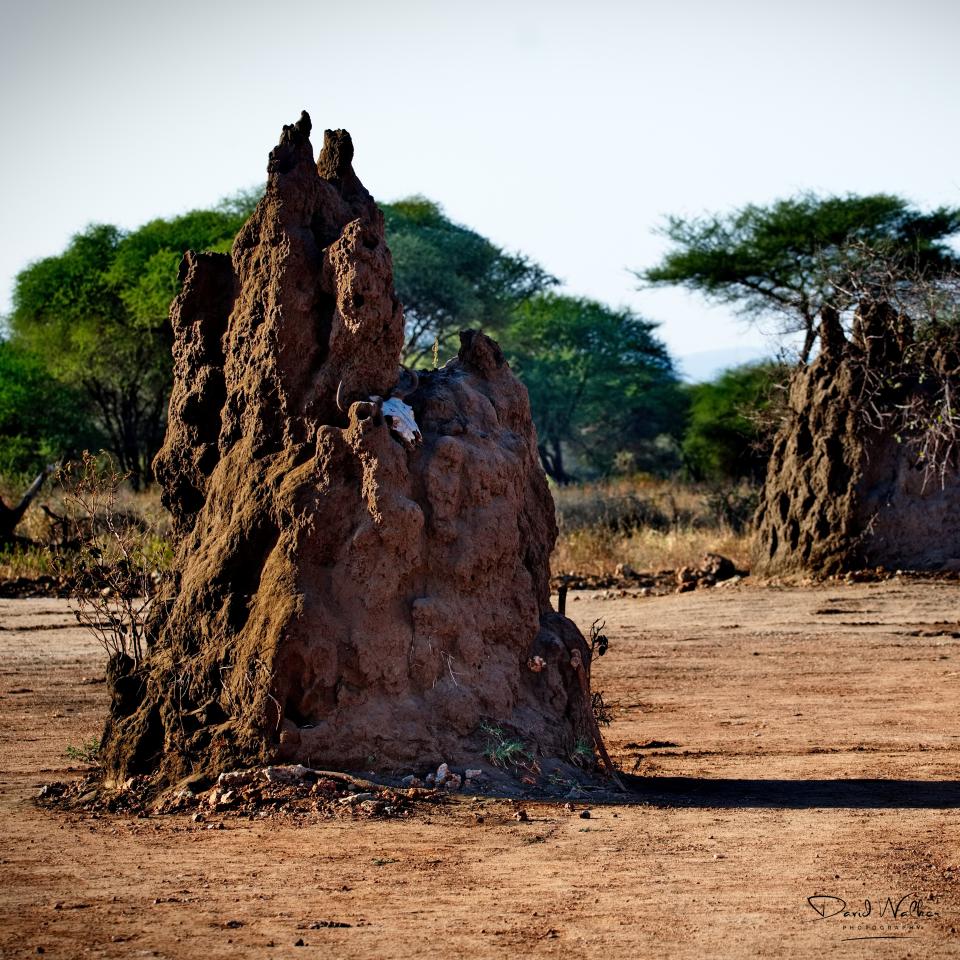
While we waited at the entrance for Philip to arrange our permit, we stepped out of the Land Cruiser for a while to stretch our legs. To the side of the ranger station was a large flat area hosting two huge termite mounds, some 2 to 3 metres high. Nearby was a mound of elephant bones, skulls and immense leg bones, collected by the rangers. Tarangire is famous for its population of elephants and one hopes these bones are the result of old age rather than poaching.
First Sightings
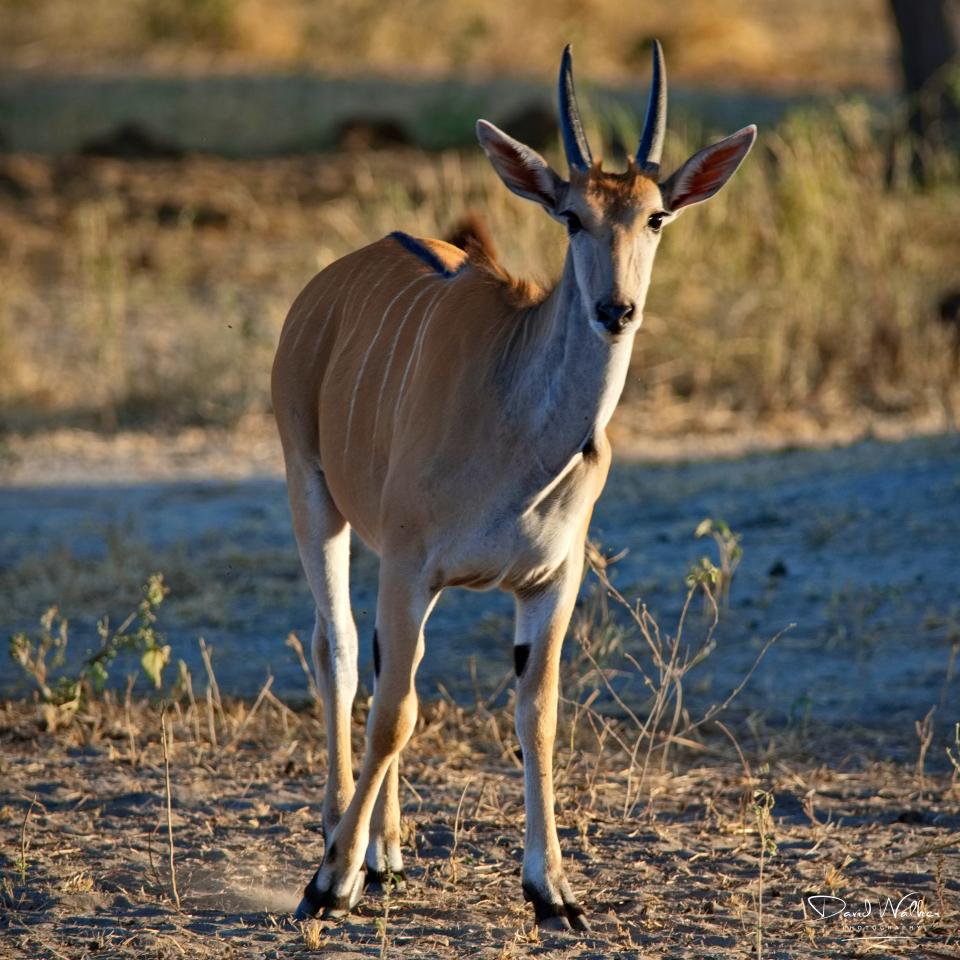
As we drove away from the ranger station at the entrance, permit in hand, we passed through vast plains of straw-coloured grasses peppered with acacia and baobab trees and home to herd of zebra, wildebeest, eland and impala.
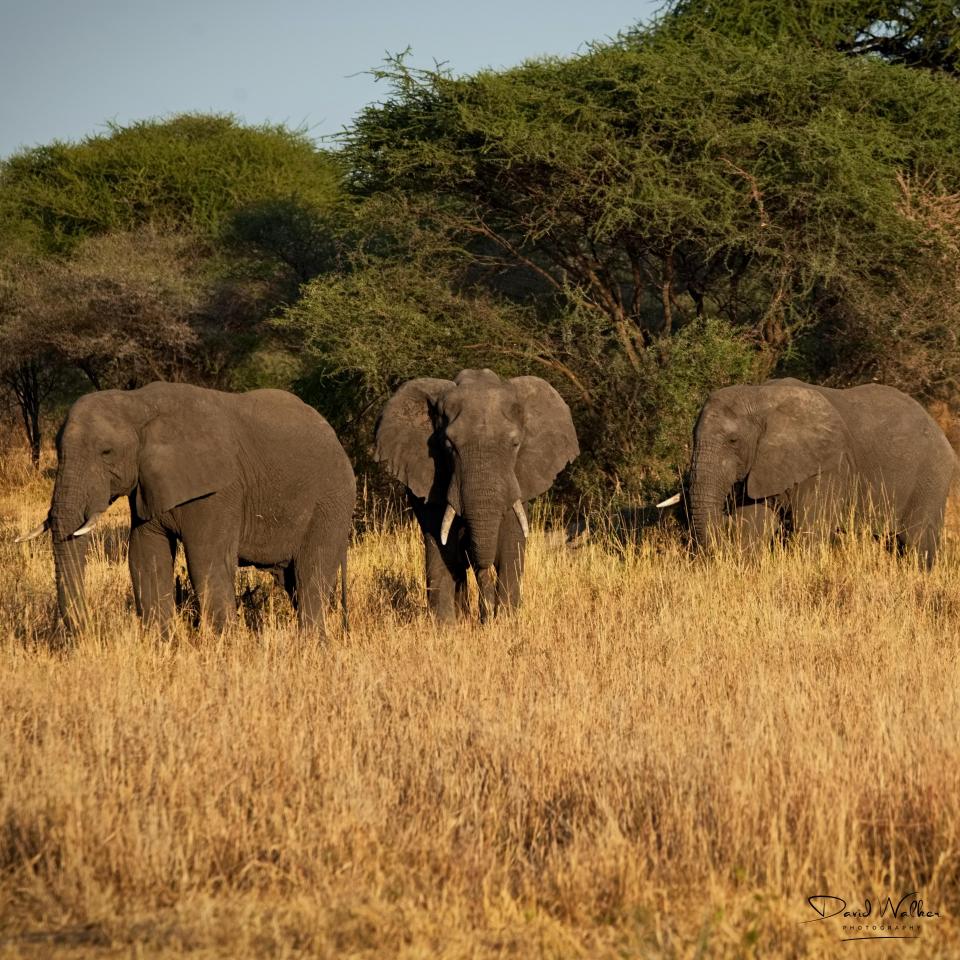
Groups of giraffe and African bush elephant made an appearance, here and there.
The Lion
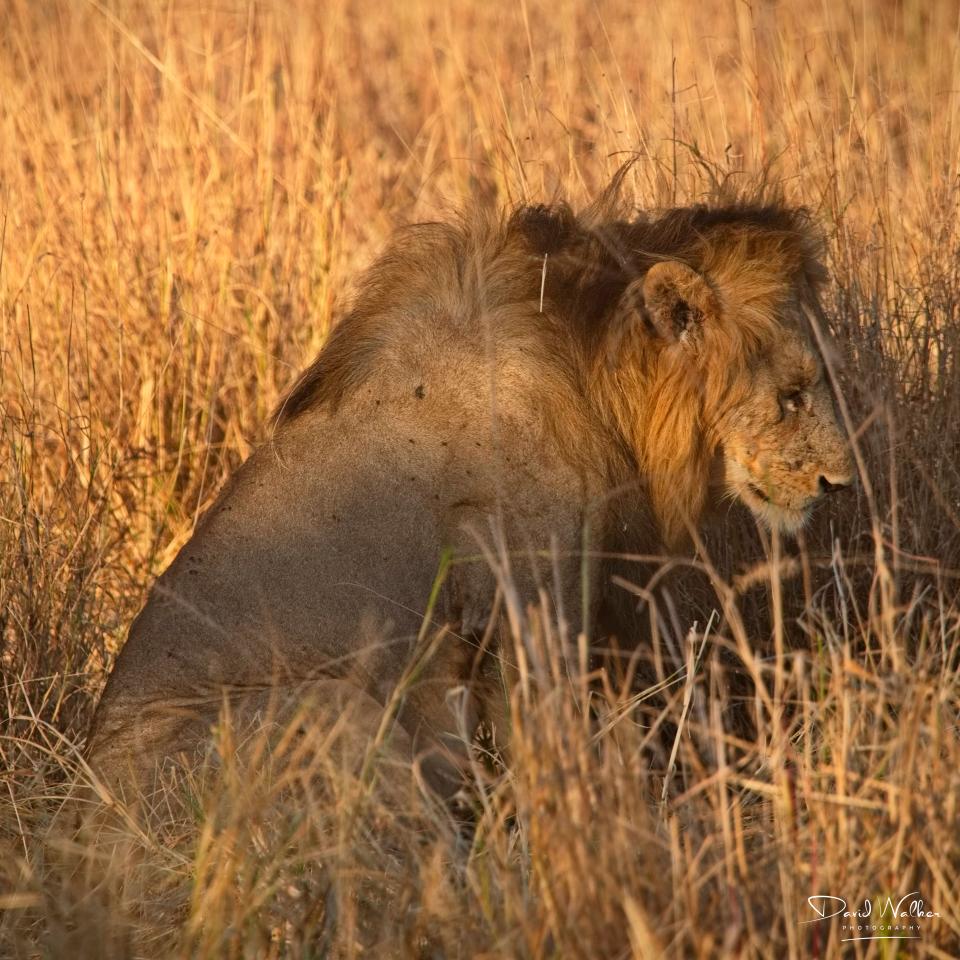
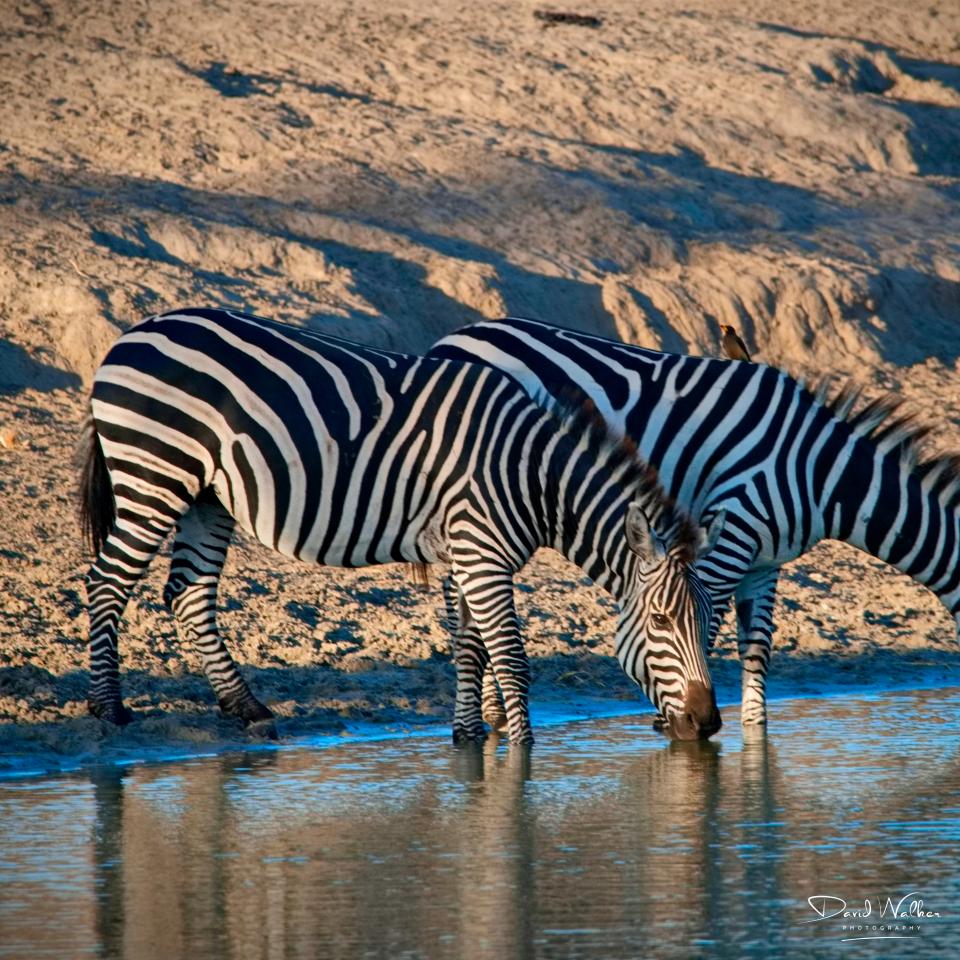
Within minutes of entering, with the lowering sun casting a soft, golden light over the scene, we saw a male Lion settling down to rest in the long grass near a water hole where zebra and wildebeest had come to the water’s edge to drink. Lying on his side, the Lion almost completely vanished, only the occasional tail-flick giving away his position amongst the golden-coloured grass that almost perfectly matched the colour of his fur.
Evening Drive
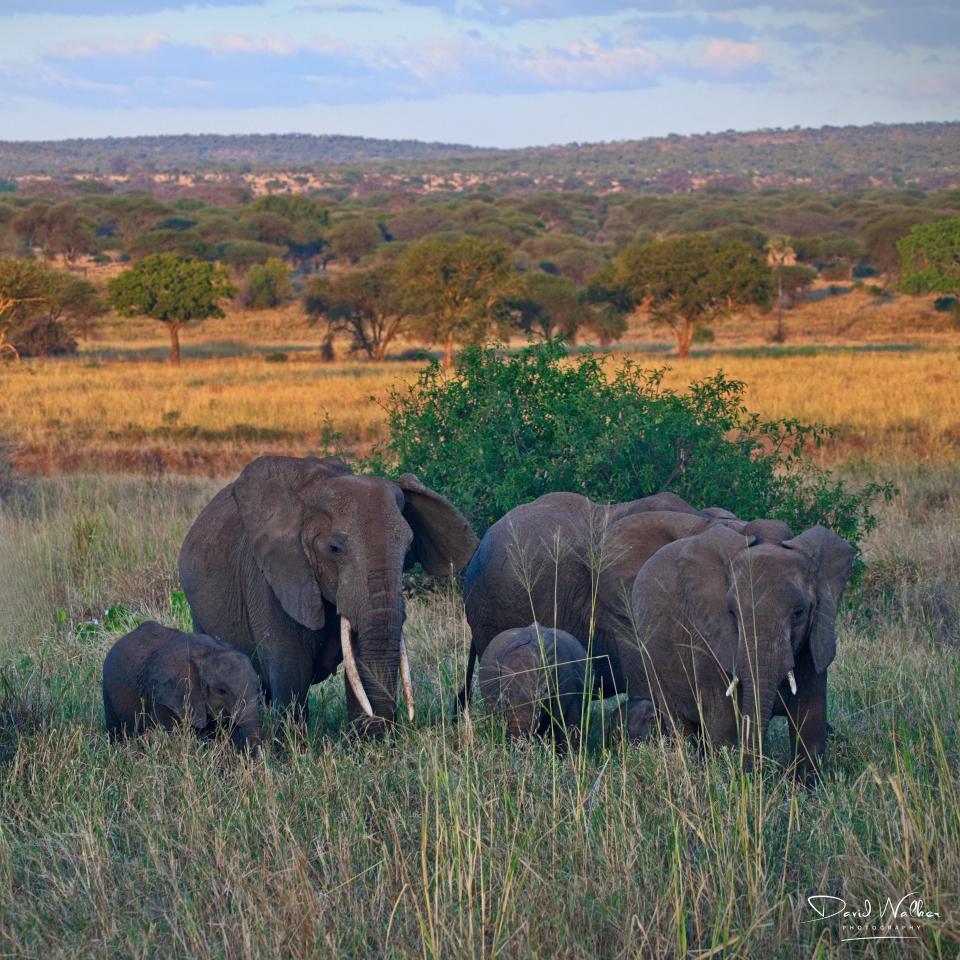
We drove through the park in the evening sun, encountering zebra on the roads and passing by family groups of elephant, including some youngsters, on either side of the road.
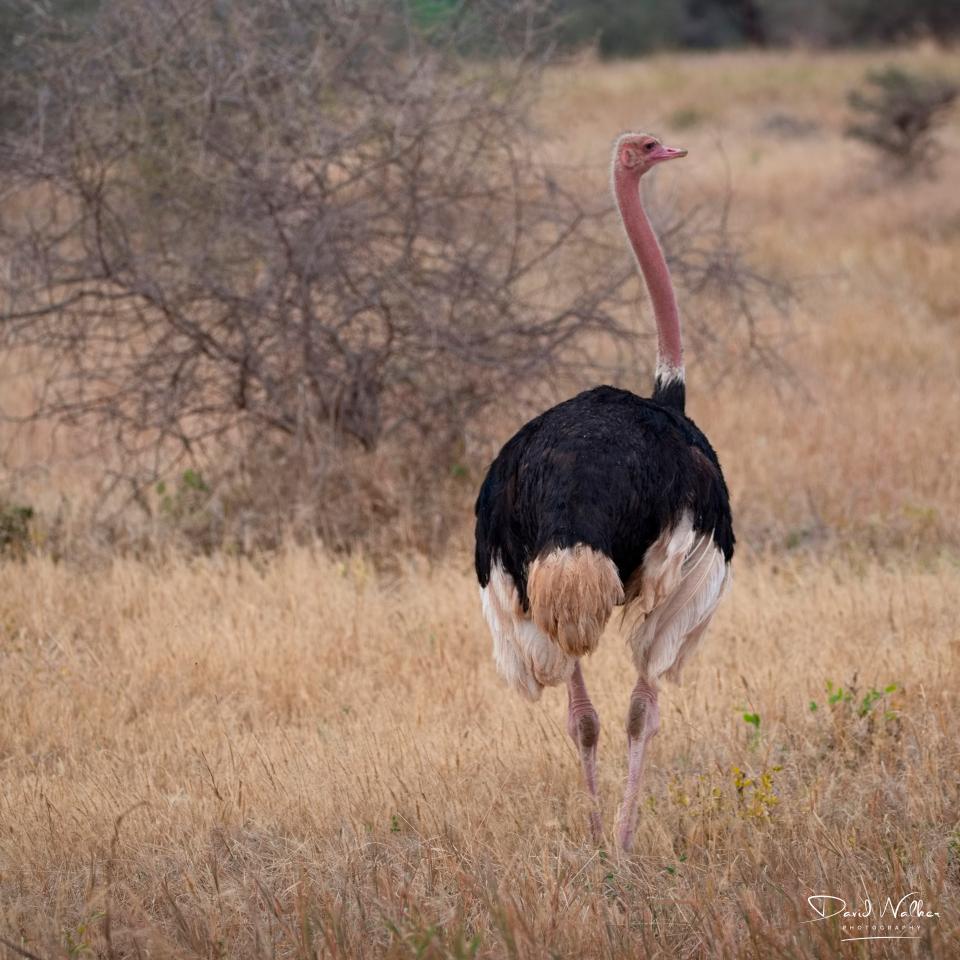
We had our first sighting of the strutting secretary birds, looking for the snakes that are their prey amongst the brush, saw ostrich, the males exhibiting the pink necks of their breeding plumage, and, at one point, passing by a bull elephant in must, the pungent smell of the musk following us as we drove by.
Kuro Treetops Lodge
As darkness fell, we arrived at our base for the next couple of days, the Tarangire Kuro Treetops Lodge, and after check-in were escorted to our very lush tented room, supported on stilts some 20-or-so feet above the ground.
This was our first encounter with the protocol for moving around in Bush based accommodation. We were provided with a whistle and a couple of blows summoned a guard with a torch who escorted us to dinner in a very classy tinted restaurant, complete with fine silver and table linen, overlooking the nighttime bush and spectacular starry skies.
Field Notes
- Tarangire National Park - characterised by baobab-dotted savannah and seasonal water sources; known for large elephant populations
- African Bush Elephant (Loxodonta africana) - family groups observed across open savannah; one bull encountered in musth, with strong associated odour
- Lion (Panthera leo) - male observed resting in long grass near waterhole; effective camouflage in evening light
- Giraffe (Giraffa camelopardalis) - small groups dispersed across open landscape, browsing among acacia
- Plains Zebra (Equus quagga) - present in herds on open plains and near water sources
- Blue Wildebeest (Connochaetes taurinus) - seen grazing in mixed herds with zebra
- Secretary Bird (Sagittarius serpentarius) - observed walking through grassland; characteristic ground-hunting behaviour
- Common Ostrich (Struthio camelus) - males showing pink breeding coloration of neck
- Termite Mounds - large structures (2–3 m) present near park entrance; significant ecological feature of savannah systems