Field Notes Journal Entry
Tanzanian Safari, 2022
Field Notes from a long-awaited journey
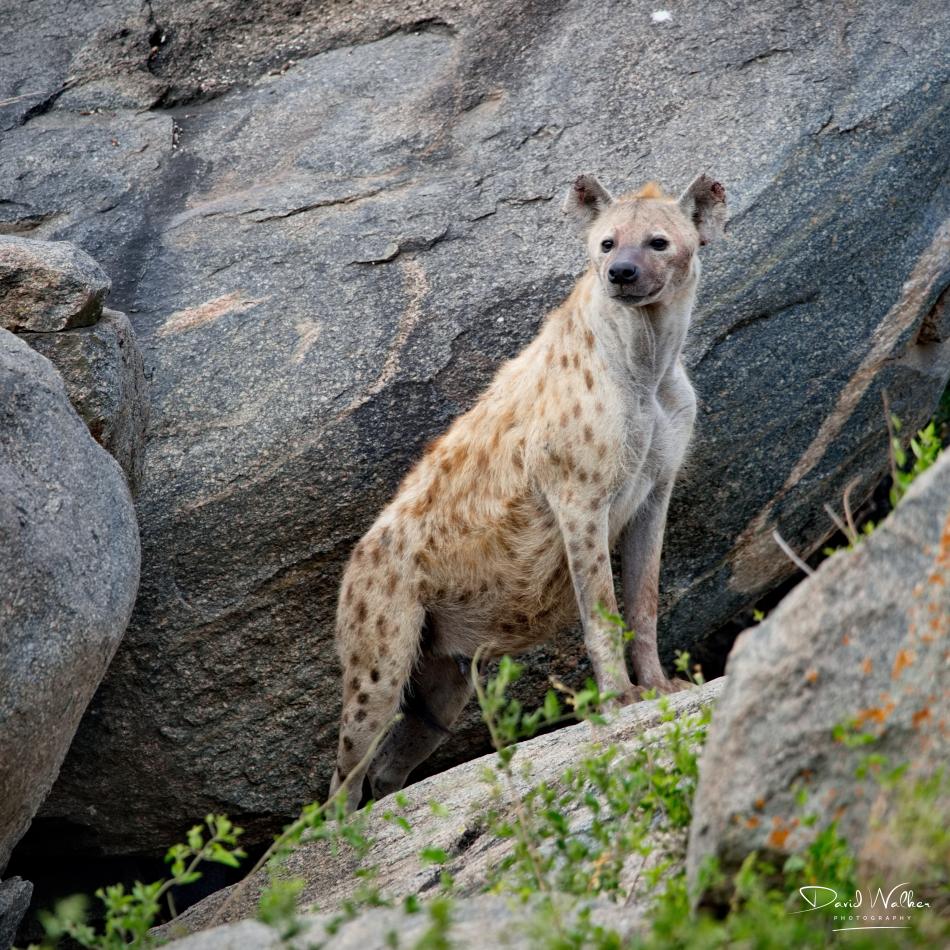
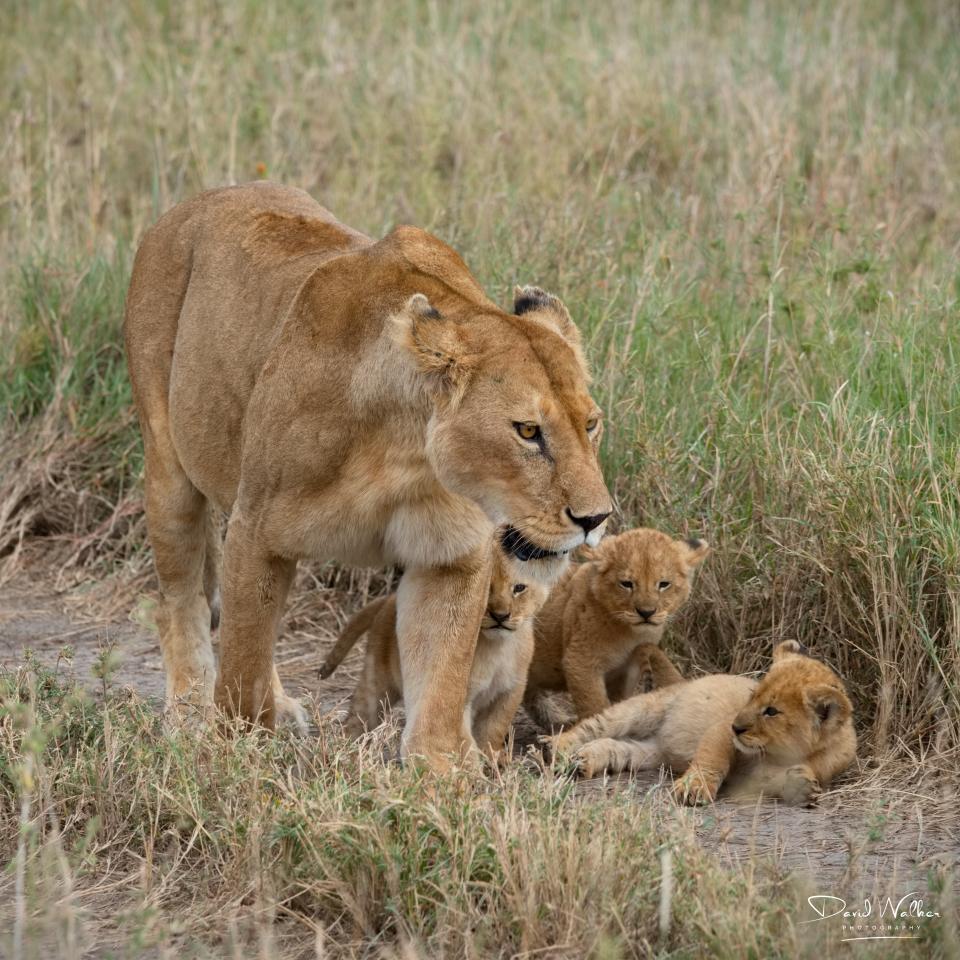
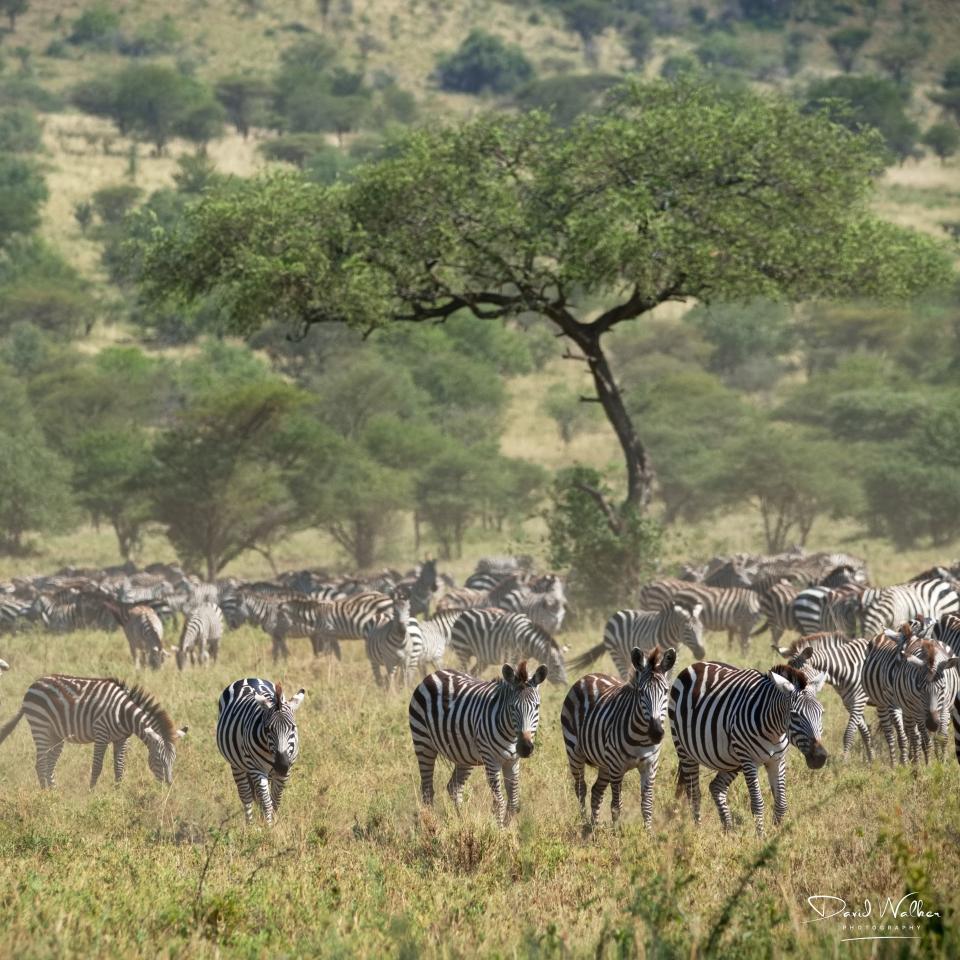
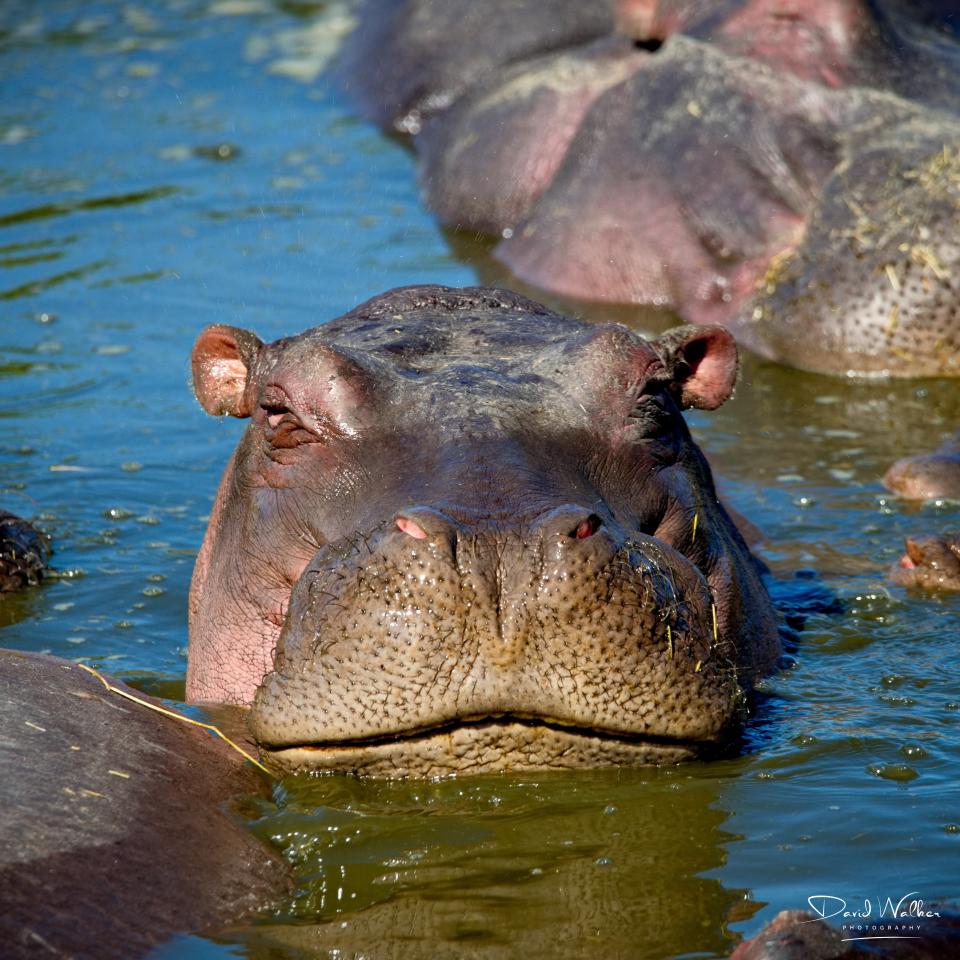
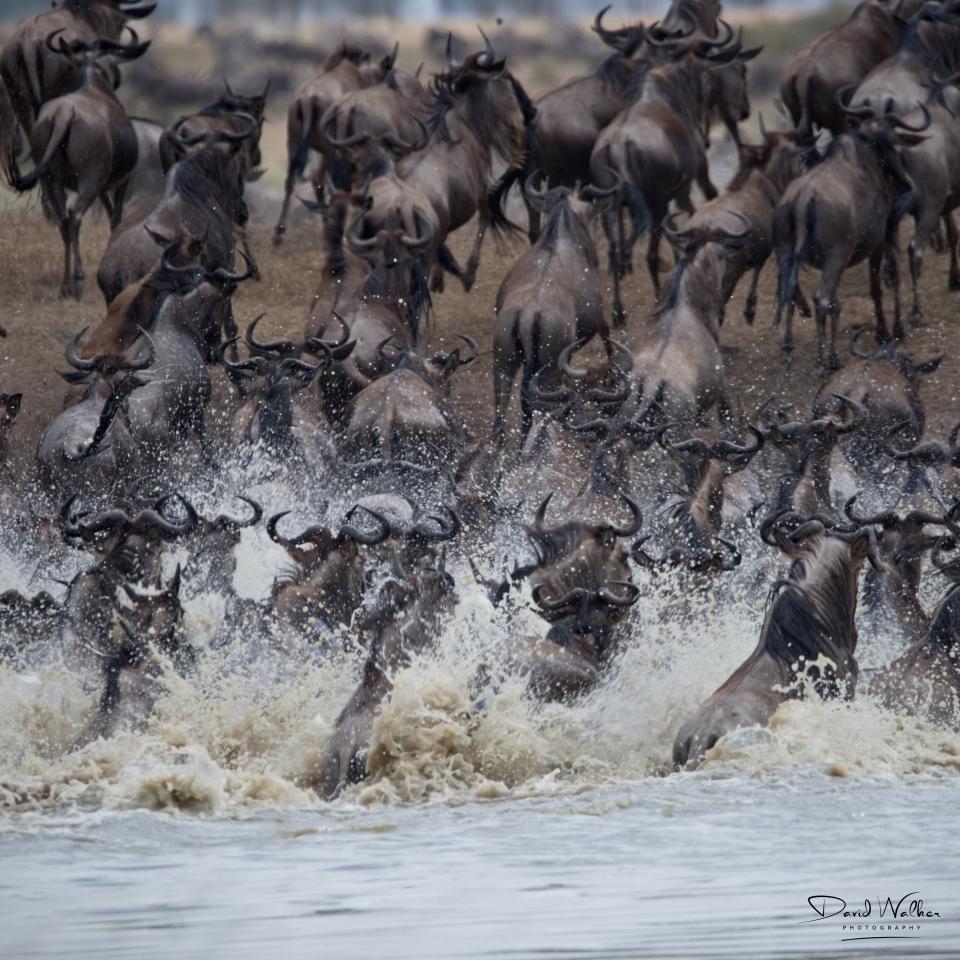
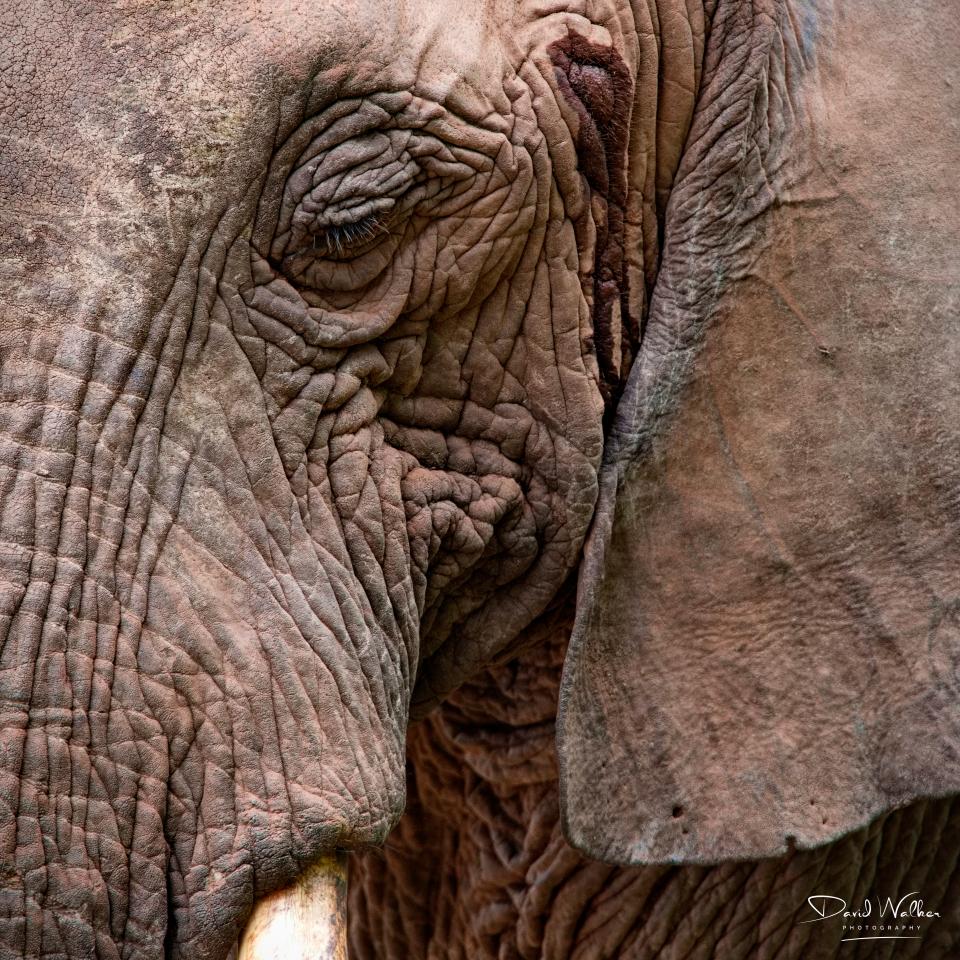
There are some journeys that arrive early in life and some that wait.
This one waited.
For more than forty years, the idea of an African safari sat quietly in the background - not forgotten, but deferred. In 2022, we finally realised it.
What follows is not a retrospective account. It is drawn directly from my own handwritten journal kept at the time - written each day, in lodges, tents, and in the quiet intervals between drives.
What This Is
These entries are presented largely as they were written, save only for spelling mistakes and the odd grammatical error. They are daily accounts of movement, landscape, and wildlife, shaped by the immediacy of experience rather than hindsight.
They are not intended as a guide, nor as a comprehensive survey of species or places. Instead, they form a record of attention - what was seen, what stood out, and what lingered.
Where helpful, light structure and occasional headings have been added for readability. The voice, however, remains that of the moment.
A note on time and memory
Revisiting these pages some years later has been an unexpectedly emotional process.
Part of that lies in the experience itself - the scale of the landscapes, the presence of wildlife long known only from books and film. Part of it lies in encountering the original voice of the journal: a record of noticing, written without thought of publication.
What has perhaps been most striking is the simple act of remembering. This was, without doubt, the most remarkable journey I have taken - a long-held ambition realised, and a sustained encounter with places and wildlife that had, until then, existed only in books, on the small screen and in imagination.
Reading back through the journal has brought that experience into focus again, not only in its larger moments, but in the small, easily forgotten details: fleeting observations, fragments of conversation, the texture of particular days. These are things that might otherwise have faded, but which remain quietly preserved in the act of writing.
This account preserves that voice - and those moments - as far as possible.
Field Notes Context
Although somewhat apart from my observations of local wildlife, this series is still entirely within the spirit of the Field Notes Journal.
If the Journal is a personal natural history of place, then this is a record of a place encountered only briefly, but with lasting impact. It extends the scope of observation beyond the familiar, while remaining grounded in the same principles: attention, patience, and the act of recording.
Closing line
What follows is simply the journey, as it unfolded - one day at a time.